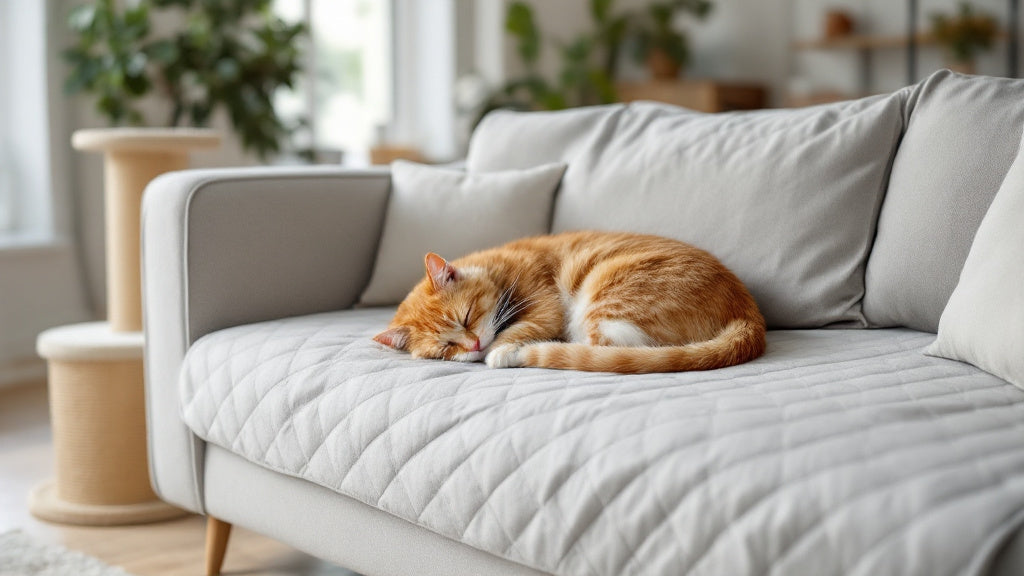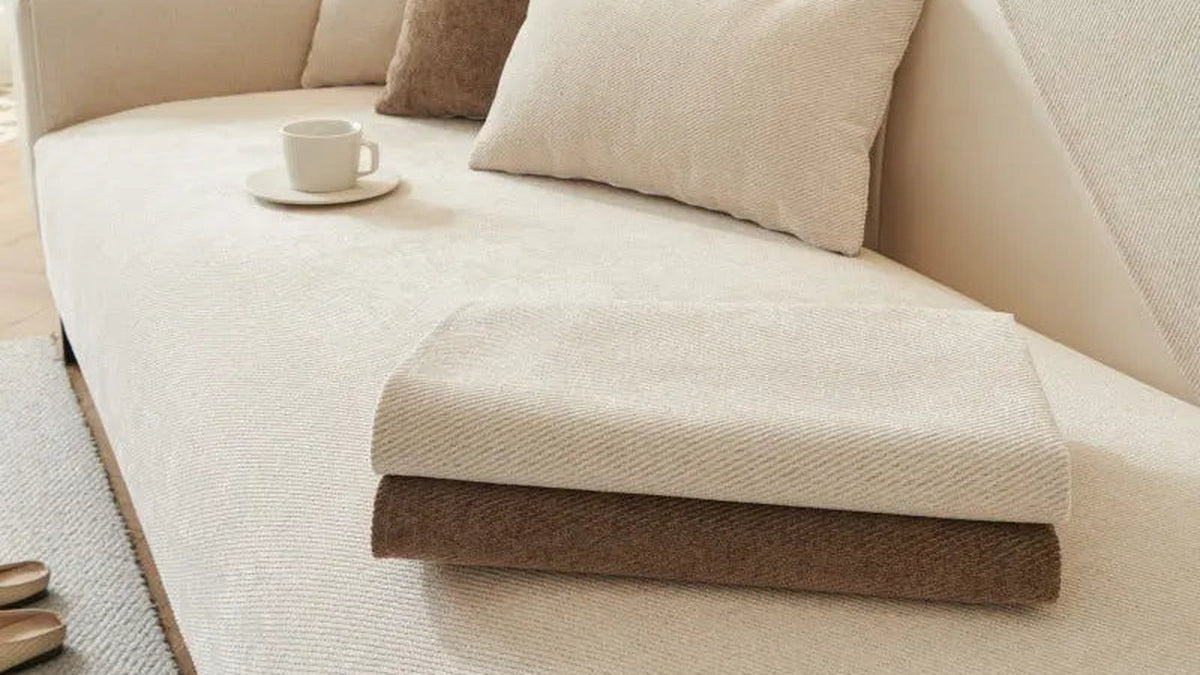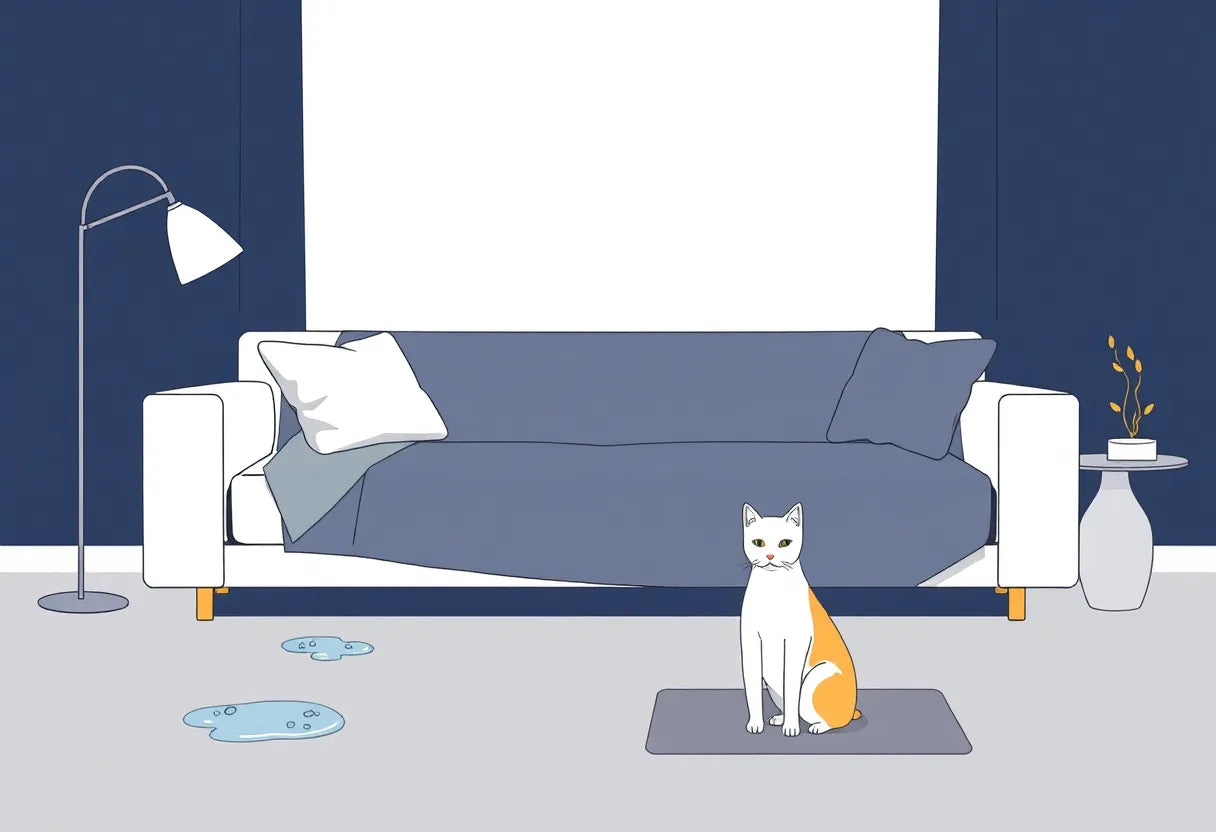
Juice spills, muddy paws, and marker streaks have a way of finding your sofa at the worst time. If you have kids or pets, you want real protection, but you also want your living room to look pulled together.
Many covers feel plasticky, slide around, or come with chemical worries you would rather avoid. That is why more families are looking for a PFAS-free sofa cover that is safe, stylish, and built for daily life.
In this guide, you will learn how a washable sofa cover can deliver clean, modern style plus practical defense. We will break down what makes a non toxic sofa cover work, how waterproofing helps, and what to look for in a kid proof sofa cover and pet friendly couch cover.
Next, let’s start with what PFAS-free waterproofing really means for your home.
What “PFAS-Free Waterproofing” Means (and Why Families Care)
When you are shopping for a washable sofa cover that can handle real life, you will see a lot of labels that sound similar: stain resistant, water repellent, waterproof, performance fabric. Add “PFAS-free” to the mix and it can feel like you need a chemistry degree just to protect your couch.
You do not. Here is the plain-language breakdown, plus what to ask so you can feel confident you are choosing a PFAS-free sofa cover that fits your family and your style.
First, what are PFAS and why are they in textiles?
PFAS is a large group of man-made chemicals often nicknamed “forever chemicals” because many PFAS persist in the environment for a long time. They have been used in a variety of products for oil, water, and stain resistance, including some treatments for carpets, outerwear, and home textiles. The U.S. Environmental Protection Agency (EPA) explains that PFAS are widespread and persistent, which is why many households are looking to reduce unnecessary exposure where they can, especially in high-contact spaces like living rooms.
Source: U.S. EPA PFAS overview: https://www.epa.gov/pfas
Source: ECHA PFAS information: https://echa.europa.eu/hot-topics/perfluoroalkyl-chemicals-pfas
In sofa-cover terms, PFAS have historically shown up as part of certain water and stain-repellent finishes. Families tend to care because sofa covers are touched constantly: kids nap on them, pets curl up on them, and snacks somehow always happen there.
So when you see non toxic sofa cover and “PFAS-free” messaging, it is usually signaling a choice to avoid those PFAS-based repellent finishes while still aiming for practical spill protection.
Water-resistant vs waterproof: what you should expect in real life
These two terms get mixed up, but they are not the same. Understanding the difference helps you pick the right protection level and avoid disappointment.
Water-resistant (or water-repellent)
- Designed to make liquids bead up and buy you time.
- Great for quick spills like juice, coffee drips, pet drool, or a damp swimsuit.
- Not meant for long pooling or heavy saturation.
Waterproof
- Designed to block liquid from passing through, typically using a barrier layer or membrane.
- More appropriate for high-risk moments like potty training accidents, a wet dog towel left on the cushion, or repeated spill exposure.
For busy homes, many people want a waterproof couch cover because it protects what you cannot easily wash: the sofa itself. Still, “waterproof” does not mean “ignore the mess for an hour.” In real life, the best results come when you treat waterproofing like a safety net, not a reason to delay cleanup.
If you want to compare protection levels and styles, see FrenchCovers’ Waterproof sofa cover options: https://frenchcovers.com/collections/waterproof-sofa-covers
What “PFAS-free” usually means (and the smart questions to ask)
“PFAS-free” claims can vary by brand and product, so it is worth asking a few simple, shopper-friendly questions before you buy. A truly helpful brand should be able to answer these clearly.
Ask:
-
What creates the water protection?
Is it a fabric construction (tight weave), a PFAS-free coating, or a waterproof barrier layer? This tells you whether you are getting light spill resistance or a more robust waterproof couch cover approach. -
Where is the barrier located?
Some covers use a backing layer under the top fabric. That can be excellent for protection, but you also want it to feel comfortable and quiet enough for lounging. -
How is it meant to be cleaned?
A washable sofa cover should have straightforward care instructions. Look for guidance on machine wash temperature, whether gentle cycle is recommended, and drying instructions. Care matters because harsh detergents, bleach, or high heat can reduce performance over time. -
Is it designed for kid and pet wear?
If you need a kid proof sofa cover or pet friendly couch cover, ask about durability details like stitching strength, separate cushion pieces (easier laundering), and whether the fabric attracts lint and hair.
These questions do two things: they help you verify the “PFAS-free” claim in a practical way, and they help you pick a cover that actually works for your household routines.
Myth-busting: a great cover still needs quick action
Even the best waterproofing performs better with a simple habit: blot spills quickly. Press with a clean towel to lift liquid, avoid rubbing (which can push mess deeper), and then wash according to the label when needed.
This matters because everyday life is hard on upholstery. According to insurance industry reporting, water damage and freezing claims are among the most common homeowners insurance claims in many years, highlighting how frequently households deal with moisture-related mishaps in general. Your sofa is not the same as a burst pipe, of course, but it is a helpful reminder that moisture incidents are not rare events in family homes.
Source: Insurance Information Institute (III), homeowners insurance claim facts: https://www.iii.org/fact-statistic/facts-statistics-homeowners-and-renters-insurance
Next, we will get very practical about what your cover needs to handle day to day, from sippy cups to shedding to the dreaded after-bath zoomies, so you can choose protection that matches your real routine and still looks pulled together.

The Kid-and-Pet Reality Check: What Your Sofa Cover Must Handle
After you understand what PFAS-free waterproofing means, the next step is getting practical: your living room is not a showroom. A truly family-ready setup needs a washable sofa cover that stands up to everyday chaos while still feeling comfortable, looking polished, and fitting well enough that you are not re-tucking it five times a day.
Use this checklist to spot a PFAS-free sofa cover that performs like a calm, quiet helper in the background, not another chore.
1) Spills and stains: what features actually help most
For kids, spills are not occasional. They are scheduled. The best defense is a cover that buys you time, then cleans up easily.
Look for:
- Quick-dry, spill-smart surface: Fabrics designed to resist absorption help liquids bead so you can blot fast. This is especially helpful in a waterproof couch cover category, where the goal is to keep moisture away from the sofa fabric below.
- Tight weave or performance-knit structure: Tighter construction tends to slow down soak-through and helps prevent stains from settling deep into fibers.
- Removable components (separate cushion pieces or modular sections): This is a big win when only one seat takes the hit. Instead of washing the whole cover, you can wash just the affected piece.
Mini scenario: sippy cup spill
- What happens: milk or juice spreads fast across the seat, then turns sticky.
- Feature match: water resistant or waterproof layer plus removable cushion cover pieces so you can pull one section off quickly, rinse if needed, and toss it in the wash.
What to do in real life: even the best non toxic sofa cover performs best when you blot quickly, then wash according to care directions. The cover should make that process easy, not delicate.
2) Pet hair and claws: why texture and construction matter
A pet friendly couch cover is not just about durability. It is about how the fabric behaves when your dog jumps up after a walk or your cat decides the sofa is the perfect kneading spot.
Look for:
- Hair management texture: Very plush, high-loft fabrics can trap hair. Smoother or tighter textures often let hair lift off more easily with a vacuum pass or lint roller.
- Strong stitching and stable construction: Reinforced seams and well-made panels matter more than you might think, because pets tend to stress the same spots repeatedly (front edge of cushions, arm corners, favorite nap zone).
- When to prioritize anti-scratch: If you see snagging, pulled threads, or your cat regularly kneads in one place, prioritize fabrics designed to resist claw catches rather than focusing only on waterproofing.
Mini scenario: cat kneading
- What happens: repeated kneading can create pulls, fuzzing, or snags over time.
- Feature match: anti-scratch focused fabric and tight construction, plus a cover style that fits tautly so claws are less likely to catch loose fabric.
If scratches are a daily concern, it is worth choosing a purpose-built option here: Anti-scratch protection for pet homes.
Note: Home and pet care resources often point out that scratching and kneading are normal behaviors for many cats, which is exactly why your cover needs to be designed for it, not just marketed as tough.
3) Sliding and bunching: fit strategies that reduce daily re-adjusting
A cover can be beautifully designed and still drive you crazy if it shifts every time someone sits down. For a busy household, good fit is not a luxury. It is the difference between “set it and forget it” and constant fiddling.
Look for:
- Elastic hems that hug the base and help the cover stay anchored.
- Straps or fasteners that secure under the sofa or around sections (especially helpful for active kids and pets who launch onto the cushions).
- Separate cushion pieces for back and seat cushions: These tend to move less and look more tailored. They also make washing simpler, which supports the promise of a truly washable sofa cover.
Quick self-check: If you have a sectional, deep seats, or extra-squishy cushions, a one-piece cover can shift more easily. Separate pieces and anchoring features usually make life calmer.
4) Noise and comfort: avoid crinkly protection and keep it nap-friendly
Protection should not make your sofa feel like camping gear. The best kid proof sofa cover is one your family actually wants to sit on.
Look for:
- Soft hand-feel fabric that stays cozy for movie night and naps.
- Quiet materials: Some waterproof layers can feel stiff or make noise when you move. For everyday comfort, prioritize cover constructions that stay flexible and fabric-like.
- Breathability and drape: A cover that drapes well tends to look more elegant and feels more like a “real sofa,” which matters if you care about design as much as practicality.
Mini scenario: wet dog shake
- What happens: tiny droplets land everywhere, often on the sofa arms and back.
- Feature match: a waterproof couch cover style with good coverage in splash zones, plus fabric that stays comfortable so you do not feel like you are sitting on a rain jacket.
Quick family-ready checklist (save this for shopping)
A sofa cover that truly fits kid and pet life should have:
- Spill resistance plus easy blot-and-wash performance (supports a washable sofa cover routine)
- Hair-friendly texture and durable construction (supports a pet friendly couch cover reality)
- Fit features that prevent sliding: elastic, straps, and ideally separate cushion pieces
- Quiet, soft comfort that still looks refined
- Materials you feel good about in your home, especially if you are prioritizing a PFAS-free sofa cover and a non toxic sofa cover approach
Next, we will turn this checklist into a simple buying plan: how to measure, choose the right format, and match the protection level to your household in a step-by-step way.
How to Choose a PFAS-Free Washable Sofa Cover (Step-by-Step)
By now, you know why PFAS-free waterproofing matters for real family life. Next comes the part that makes or breaks your results: choosing a PFAS-free sofa cover that actually fits, actually washes well, and actually matches how your home works day to day.
Step 1: Measure correctly (so the cover stays put)
A washable sofa cover can only protect well if it fits well. Grab a flexible tape measure and jot down these basics:
- Seat width: across the seating area from inside arm to inside arm
- Seat depth: front edge of seat to where it meets the back cushions
- Back height: seat to top of backrest
- Arm height and arm length: floor to top of arm, and front to back of arm
- Cushion dimensions (if you have removable cushions): width, depth, and thickness
- Sofa type: standard sofa, sectional (left or right chaise), recliner, loveseat
Simple measuring diagram suggestion:
Sketch a quick side view and top view of your couch on paper and label A) seat width, B) seat depth, C) back height, D) arm height, and E) arm length. If you are creating a blog graphic later, a labeled “A to E” diagram is easy for readers to screenshot and use while measuring.
Tip for busy households: Measure with cushions in their normal, slightly lived-in position. This helps you avoid buying a too-tight cover that shifts when someone flops down after school.
Step 2: Choose the right cover format for how your family uses the sofa
There is no single “best” format. The right choice depends on whether your sofa is more like a lounge zone, a snack zone, or the unofficial pet bed.
- One-piece covers are often faster to put on and can look seamless, especially on simpler sofa shapes.
- Separate cushion covers (or multi-piece sets) usually give the most “tailored” look and make it easier to wash only the part that got hit by the spill.
If you want design-forward options that still feel family-proof, browse Sofa & couch cover styles for a tailored look: https://frenchcovers.com/collections/sofa-couch-covers
Step 3: Prioritize true washability (this is where convenience lives)
A washable sofa cover should not require special handling to stay fresh. When you are comparing options, look for clear, specific care guidance on the label or product page:
- Machine wash: Is it allowed, and on what cycle (gentle, normal)?
- Temperature limits: Many textiles perform best in cool to warm water. Hot water can shorten lifespan, shrink fabric, or reduce performance depending on construction.
- Tumble-dry guidance: If tumble drying is allowed, is it low heat only? If air-dry is recommended, can you realistically do that in your home?
General textile care best practices (widely recommended by fabric care organizations like the American Association of Textile Chemists and Colorists and related fabric care guidance groups) tend to align on a few common-sense habits: use the mildest effective cycle, avoid excessive heat, and follow label instructions to preserve performance and appearance.
Family-friendly reality check: If your “kid proof sofa cover” only works when you baby it, you will stop using it. Choose the care routine you can keep up with on a normal Tuesday.
Step 4: Match protection level to your home (not someone else’s)
“Waterproof couch cover” can mean different constructions and different expectations. The smarter approach is to match protection to your risk level:
- Daily snacks and drinks: Prioritize quick wipeability plus easy washing. Water resistance and a tighter weave help you stay ahead of sticky messes.
- Pets on furniture: Look for a pet friendly couch cover with durable fabric, good grip, and a surface that does not trap hair as easily. If claws are part of your reality, durability and construction matter as much as water protection.
- Potty training, senior pets, or frequent accidents: Consider higher spill protection and the ability to remove and wash fast. You want protection that buys you time to blot and clean, not panic.
- Occasional guests and “just in case” protection: You may not need maximum barrier features, but you do want easy laundering and a polished look.
This is also where “non toxic sofa cover” shopping becomes practical: if the cover sits where your kids cuddle and your pets nap, many families feel more comfortable choosing PFAS-free materials and finishes and leaning on smart design and washability rather than harsh chemical treatments.
Step 5: Pick colors and textures that hide lint and blend with your décor
Protection is great, but you also want your living room to feel calm and pulled together. A few design-aware shortcuts:
- Mid-tones (soft gray, warm taupe, camel, muted navy) often hide crumbs, lint, and everyday life better than stark white or very dark black.
- Heathered fabrics and subtle patterns camouflage pet hair and minor marks between washes.
- Texture with intention: A lightly textured weave can look elevated while being more forgiving in a busy home.
If you have shedding pets, avoid ultra-flat, high-contrast surfaces that show every hair. If you have young kids, avoid very pale solids if you do not want to wash constantly.
Quick decision table: scenario, format, routine
| Home scenario | Best cover format | Care routine that actually works |
|---|---|---|
| Daily snacks, movie nights, frequent spills | Separate seat and back cushion covers (wash only what got messy) | Spot blot immediately, machine wash weekly or as needed |
| Dog on the couch, shedding + muddy paws | Multi-piece or fitted style with strong grip | Quick vacuum or lint roll 2 to 3 times/week, machine wash every 1 to 2 weeks |
| Potty training or senior pet accidents | Easy-remove format, prioritize fast on/off | Blot right away, wash promptly, keep a backup set ready |
| Style-first home, occasional guests | One-piece tailored look or sleek multi-piece | Light maintenance weekly, wash monthly or after events |
You are now set up to choose a washable sofa cover that fits your measurements, your mess level, and your style, without compromising on PFAS-free peace of mind.
Next, we will make sure that protection still looks beautiful: how to style a cover so your space feels high-end, not “covered up.”

Style That Still Feels Like “You”: Making Protective Covers Look High-End
A PFAS-free sofa cover and a washable sofa cover can absolutely look elevated, not “temporary.” In fact, once you treat your cover like a design layer (instead of a last-minute fix), it becomes one of the easiest ways to keep a family room polished while still being a waterproof couch cover that stands up to real life.
Below are simple, decorator-approved rules that help your space stay cohesive, calm, and truly yours, even if it also needs to be a kid proof sofa cover and pet friendly couch cover.
1) Use color rules that keep the room cohesive (not “covered up”)
The goal is to make the cover look intentional by matching your room’s undertones and repeating colors already in the space.
Try one of these easy approaches:
- Tone-on-tone (most foolproof): Keep the cover within 1 to 2 shades of your wall color or rug base tone. This reads custom and high-end, and it also helps a non toxic sofa cover blend in instead of calling attention to itself.
- Warm neutrals for everyday elegance: If your home has warm wood, brass, tan leather, or creamy whites, go warmer (ivory, sand, oatmeal, greige).
- Seasonal swaps (low effort refresh): Rotate cover color like you would rotate throw pillows. It is much cheaper than replacing furniture, and it keeps your living room feeling fresh without giving up the washable protection.
3 example palettes you can copy (non-branded)
-
Soft greige + ivory + black accents
- Cover: soft greige
- Add-ons: ivory pillows, matte black lamp frame or picture frames
- Why it works: hides daily lint, looks tailored, and feels modern without being cold.
-
Navy + sand + natural wood
- Cover: navy or deep indigo
- Add-ons: sand colored pillows, jute or sisal texture, light oak tones
- Why it works: navy feels rich and structured, and sand keeps it family-friendly. Great if you want a waterproof couch cover that still looks “designer.”
-
Sage + cream + warm metal
- Cover: sage
- Add-ons: cream throw, brushed brass or champagne metal accents
- Why it works: calming and current, especially in bright rooms. Sage is also forgiving with pet hair, depending on your pet’s color.
Tip for real homes with kids and pets: mid-tones and heathered textures tend to hide crumbs, paw prints, and everyday fuzz better than stark white or flat, solid dark colors.
2) Layer for a finished look (texture, not clutter)
A cover does the hard-working job, then styling finishes the story. The difference between “we needed protection” and “we meant to do this” is usually two things: texture and balance.
Use this simple layering formula:
-
1 throw + 2 to 4 pillows max
More than that can feel messy fast, especially in a busy family room. -
Mix textures instead of adding patterns
For example: a smooth cover paired with a chunky knit throw or a subtle woven pillow reads high-end without visual noise. -
Place the throw with intention
Folded over one arm or neatly draped across a corner makes the space feel styled, and it also creates an extra cozy buffer where kids and pets tend to climb up.
If you want an easy way to add depth without changing your entire room, start here: Add texture with throws and blankets.
3) Design tips for small spaces (make protection look lighter)
In apartments, townhomes, and smaller living rooms, the sofa often dominates the entire visual field. A protective cover can still feel airy if you keep these rules in mind:
-
Choose lighter colors when the room lacks natural light
Creams, light greige, and soft sage help the sofa “lift” instead of feeling bulky. -
Keep patterns minimal
If your rug is patterned, go solid or subtly textured on the cover. If your rug is solid, a very small-scale texture can add interest without chaos. -
Prioritize clean lines
A smooth, fitted look reads more tailored and intentional. This matters even more when you need a kid proof sofa cover that gets sat on, jumped on, and washed often.
4) Quick refresh idea: rotate covers seasonally instead of replacing furniture
A washable sofa cover gives you a practical advantage that upholstered sofas do not: you can update the look quickly, then toss it in the wash when life happens.
A simple seasonal rhythm:
- Spring/Summer: lighter neutrals, sage, sand, breathable textures
- Fall/Winter: deeper tones like navy, charcoal, richer textures, cozy throws
This is one of the easiest ways to keep a room feeling “styled” while sticking with a PFAS-free sofa cover mindset and a non toxic sofa cover approach for a healthier home.
Mini before/after concept: “Playroom energy” to “pulled-together living room”
- Before: bright patterned cover, lots of mixed-color pillows, extra blankets piled on the back, toys visible from the entryway.
-
After: solid mid-tone cover (greige or sage), two pillows in the same color family, one textured throw folded on an arm, and one basket to contain toys.
Result: the space still works for kids and pets, but it reads calm, intentional, and high-end.
Next, we will make sure that beautiful look lasts by building a simple care routine that keeps your washable sofa cover performing at its best, without adding more work to your week.
Care and Longevity: Keep Your Cover Performing (Without Extra Work)
A PFAS-free sofa cover does its best work when you treat it like part of your normal home rhythm, not a precious item you have to babysit. The good news: keeping a washable sofa cover looking crisp and feeling cozy takes minutes, not hours. Think of this as the low-effort routine that keeps your waterproof couch cover performing like it did on day one, even with kids, pets, and snack time in the mix.
The weekly 3-minute routine (seriously)
This quick reset prevents pet hair buildup, keeps crumbs from grinding into the weave, and helps your cover sit neatly instead of looking tired by midweek.
-
Shake out
Take 20 seconds to shake loose crumbs and grit (especially between cushions). This reduces abrasion that can lead to fuzziness over time. -
Lint roll
A few passes on the seat and arms makes a pet friendly couch cover look instantly more polished, particularly if you have dark fabric and light fur (or the reverse). -
Quick vacuum pass
Use the upholstery attachment and do a fast sweep along seams, piping, and cushion edges. This is where hair and dust hide and where “lived-in” starts to look “messy.”
This basic care lines up with common textile care guidance: removing dry soil early helps fabrics last longer and reduces the need for harsher stain treatments later (a principle shared across professional fabric care organizations like the American Association of Textile Chemists and Colorists and the American Cleaning Institute).
Stain response plan: what to do in the first 60 seconds
Even the best kid proof sofa cover works best with quick action. The goal is to lift the spill out before it bonds to fibers or dries into a ring.
-
Blot first (do not rub)
Press with a clean cloth or paper towel to absorb. Rubbing pushes the spill deeper and can roughen the surface. -
Cool water rinse (if needed)
For sticky spills (juice, syrup, sauce), a small amount of cool water helps dilute. Then blot again. Hot water can set some stains, especially protein based messes. -
Wash per the care label
Your washable sofa cover is designed to be cleaned, so let the washing machine do the heavy lifting. -
Skip harsh chemicals
Avoid chlorine bleach and aggressive spot solvents unless the label specifically allows them. Strong chemicals can weaken fibers, fade dye, and reduce the effectiveness of water resistant or waterproof finishes over time, which matters if you chose a non toxic sofa cover specifically to keep your home routine gentler.
How often should you wash? Use this simple guide
There is no single perfect schedule, because the “right” frequency depends on who lives on your couch. Here is a practical baseline you can actually stick with:
- Homes with kids plus daily snacks: wash every 1 to 2 weeks
- Homes with pets on the sofa (shedding or “outside time”): wash every 1 to 2 weeks, with weekly lint rolling and vacuuming
- Homes with both kids and pets: wash weekly, or every 7 to 10 days if your weekly routine is consistent
- Occasional guests, low spill risk: wash every 3 to 6 weeks, spot treat as needed
- Allergy sensitive households: consider weekly washing during high-shed seasons
If you notice lingering odors, dullness, or the fabric feels less fresh, that is your cue to shorten the cycle. The goal is to clean before “invisible dirt” becomes stubborn dirt.
Reduce pilling and stretching (the little habits that make a big difference)
Pilling and shape loss are usually caused by friction and heat. Keep your cover looking tailored with these easy adjustments:
- Wash inside-out to reduce surface abrasion and keep the outer face smoother longer.
- Use a gentle cycle with mild detergent. Less agitation equals less fuzzing.
- Avoid high heat when possible (especially high-heat tumble drying). Heat can stress fibers and elastic, leading to loosening or warping over time.
- Zip or fasten closures (if your cover has them) to prevent snagging.
- Do not overload the washer. Covers need room to move so detergent can rinse out fully, which helps maintain hand-feel and finish.
These steps are consistent with general garment and textile care recommendations from fabric care organizations, which emphasize gentle cycles, appropriate water temperature, and avoiding excessive heat to extend textile life.
Screenshot-friendly care checklist
Copy, save, or screenshot this and keep it in your phone notes:
Weekly (3 minutes)
- Shake out crumbs and grit
- Lint roll seat and arms
- Quick vacuum seams and edges
When a spill happens
- Blot, do not rub
- Cool water rinse if sticky
- Wash per label
- Avoid harsh chemicals
Wash day settings
- Inside-out
- Gentle cycle
- Mild detergent
- Low heat or air dry when possible
With this routine, your PFAS-free sofa cover stays soft, presentable, and ready for real life, whether you are protecting against paws, popsicles, or paint markers.
Next up, we will bring it all together with a simple decision recap so you can choose the right protection level and fit for your home, then set a wash routine that keeps stress low and style high.

You have now seen the full picture: a PFAS-free sofa cover that is safe for your kids, your pets, and your style is not only possible, it is practical. By choosing a washable sofa cover with the right fit, the right features, and a care routine that fits your real life, you are choosing peace of mind over panic. You know what to look for in a waterproof couch cover that actually breathes, a kid proof sofa cover that stays put, and a pet friendly couch cover that handles hair, claws, and cuddles without sacrificing elegance. Your home deserves protection that works as hard as you do, without feeling like a compromise.
Protect your sofa this week: choose a washable, PFAS-free-friendly cover style that fits your real life—then set up your “wash day” routine so spills never become stress. A home that welcomes every moment is its own kind of beautiful.
FAQ: PFAS-Free, Washable Protection for Real Life (Kids, Pets, and Style)
Choosing a sofa cover should feel simple, safe, and beautiful. Below are quick answers based on the article’s key points: PFAS-free waterproofing, easy washability for everyday messes, and design-first fit that stays put for busy homes. Explore more in the post: Read the full article.
Q: What does PFAS-free mean for a sofa cover, and how can I verify it? A: In the article, PFAS-free means the waterproof performance comes without “forever chemicals,” helping you choose a more non toxic sofa cover for family spaces. Verify by checking the product page and materials section for an explicit PFAS-free claim and any supporting testing info. See: PFAS-Free Waterproofing Explained and Materials and Safety Notes.
Q: Is a washable sofa cover really waterproof, or just water-resistant? A: The post explains that a washable sofa cover can be truly waterproof when it uses a protective barrier that blocks spills, not just a surface spray. For best results, wipe spills quickly and wash as directed to keep the waterproof couch cover performing well. See: Waterproof vs Water-Resistant and Care and Washing Tips.
Q: What’s the best couch cover for pets that scratch or shed a lot? A: The article recommends prioritizing a pet friendly couch cover that is durable, tightly woven, and fully washable so fur and muddy paw prints are easy to remove. If scratching is a concern, trim nails and add a throw or pet blanket on the favorite spot for extra protection without sacrificing style. See: Pets and Everyday Durability and Style-Friendly Protection.
Q: How often should I wash a sofa cover in a home with kids and pets? A: Based on the article’s “real life mess” approach, wash weekly or every two weeks for most busy homes, and sooner after spills, accidents, or allergy flare-ups. A PFAS-free sofa cover that is machine-washable makes frequent cleaning realistic, which is key for a kid proof sofa cover setup. See: Cleaning Routine for Families and Washability Benefits.
Q: How can I keep a sofa cover from sliding and bunching up? A: The post highlights that fit and anchoring matter as much as fabric, so choose a cover designed for your sofa shape and use tucking and grip features to keep it smooth. For high-traffic homes, add sofa tuck tools or non-slip pads to help the kid proof sofa cover stay neat and design-forward. See: Fit and Stay-Put Design and Installation Tips.