If your sofa ever smells a little musty after a rainy week, you are not alone. In busy homes with kids, pets, and constant spills, trapped moisture can turn into stains, odors, and even mold, especially on premium or vintage furniture you want to keep pristine.
That is why breathable sofa covers matter. The right fabric lets air flow while shielding your couch from daily wear, so you get a sofa cover to prevent mold without giving up comfort or style. You will also learn how washable couch covers and a pet-friendly couch cover can make cleanup fast and keep your space looking polished, from family rooms to coworking lounges.
Next, let’s break down what makes a cover truly breathable and how to choose the best one for your space.
Why Mold Happens on Sofas (and How Covers Can Make It Worse)
That musty sofa odor is rarely about “messiness.” Mold and mildew are simply opportunists, and upholstered furniture is one of their favorite places to settle when moisture gets trapped.
The three things mold needs (and why sofas naturally provide them)
Most indoor mold problems come down to a simple recipe:
- Moisture
- Limited airflow
- Something organic to feed on like fabric fibers, dust, skin cells, and crumbs
A sofa checks the last box easily, even in tidy homes. The real trouble starts when moisture lingers in the padding, under cushions, or along seams where air does not circulate well. The U.S. EPA consistently emphasizes moisture control as the core of mold prevention, including keeping indoor humidity in a comfortable, controlled range and drying wet materials promptly. See EPA guidance on mold prevention for the practical basics.
WHO resources on indoor air quality also link damp indoor environments with poorer indoor conditions, which is one reason it is worth addressing moisture early rather than masking the smell. WHO resources on indoor air quality can provide additional context on why dampness indoors matters.
Common “invisible moisture” sources that soak into couches
In real family life, moisture often shows up quietly, then hangs around longer than you think:
- Spills that seem dry: A juice box drip or water bottle sweat can dry on top while moisture stays in the cushion core.
- Wet dog fur and paws: Even a quick post walk cuddle can transfer surprising dampness into upholstery.
- Sweaty naps and movie nights: Body heat and humidity get pressed into fabric, especially with thick throws or tightly fitted covers.
- Humid climates and rainy weeks: Higher indoor relative humidity slows evaporation, so cushions dry more slowly.
- After shampooing or steam cleaning: Upholstery can remain damp deep inside even when the surface feels fine.
This is exactly why breathable sofa covers are more than a comfort feature. They support airflow and moisture vapor release, helping your sofa dry out between real life moments.
How the wrong cover can trap dampness and trigger mold
Not all protectors protect in the same way. A cover can accidentally create a sealed environment, especially if it has:
- Non-breathable backings or heavy coatings that behave like a barrier
- A very tight fit that compresses cushions and reduces air pockets where drying would normally happen
- Poorly fitted areas that bunch and press into seams, creating damp “hotspots” along piping, cushion edges, and under seat cushions
In other words, you can do everything right (clean regularly, respond to spills), but a non-breathing slipcover can still hold humidity against the fabric long enough for mildew smell on couch issues to start. If you are shopping for a sofa cover to prevent mold, prioritize designs that protect without sealing in moisture.
Practical takeaway: think “protect + let it breathe”
For busy households and shared spaces, the sweet spot is protection that still allows your upholstery to release moisture. That is where breathable, easy-care options shine, especially when you also want washable couch covers for quick resets and a pet-friendly couch cover that can handle fur, paw prints, and the occasional damp snuggle.
If you are looking for everyday protection options that balance function and style, start here: Sofa and Couch Covers for everyday protection.
Next, we will get specific about what “breathable” actually means in cover materials and construction, so you can tell the difference between airflow-friendly fabrics and moisture-trapping ones before you buy.
What “Breathable” Really Means (Materials, Weaves, and Backings)
After you understand why moisture plus low airflow can lead to that stubborn musty smell, the next step is choosing breathable sofa covers that actually let your couch dry out between real life moments. “Breathable” is a performance feature, not a marketing synonym for “thin” or “lightweight.”
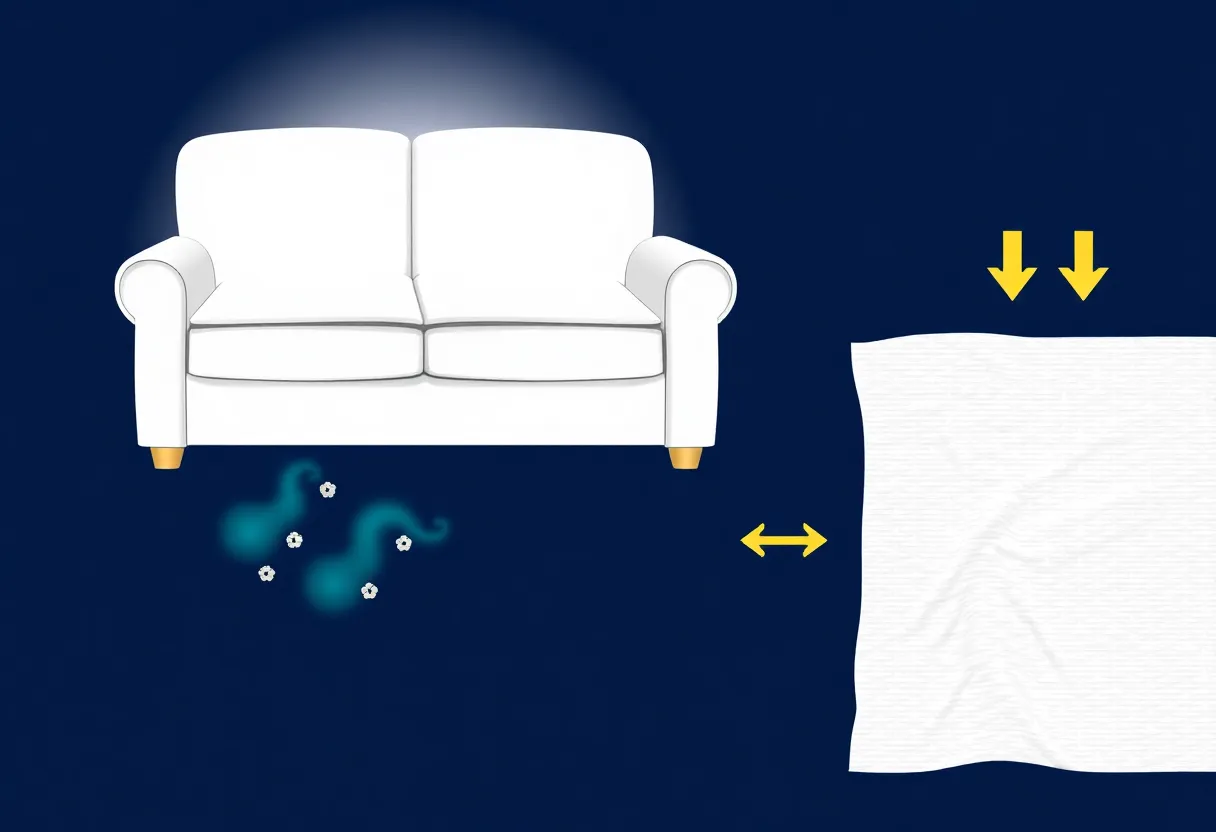
Breathability is two things: airflow and moisture vapor release
A truly breathable fabric does two jobs at once:
- Airflow: tiny gaps in the weave or knit allow air to move, helping dampness dissipate instead of lingering in cushion seams.
- Moisture vapor release: even when you cannot feel wetness, humidity from a spill, steam cleaning, or wet pet fur can evaporate and escape through the cover.
This is why breathable sofa covers can be a smart choice for a sofa cover to prevent mold: they reduce the time moisture stays trapped against upholstery, which is one of the main conditions mold needs to take hold (as discussed in the previous section).
Breathable does not mean “not protective”
Many families assume the only way to protect a sofa is a fully waterproof barrier. The catch is that fully waterproof often means fully sealed, which can trap humidity from below (residual cushion dampness) or above (a spill that seeped through seams before you noticed).
A helpful way to think about common constructions:
- Coated or plastic-like backing (high barrier): blocks liquid well, but can also block drying. Best reserved for very specific situations and used with careful drying routines.
- Non-coated woven or knit (balanced protection): allows more ventilation and tends to dry faster, especially when paired with prompt blotting and washing.
- Water-resistant finishes (middle ground): can slow absorption while still allowing some breathability, depending on the finish and fabric structure.
Tip: When you shop, look for fabric composition and care labels. Fibers, finishes, and backing materials tell you more than a product name ever will. Textile education resources commonly note that fabric structure (weave vs. knit) and finishes strongly influence moisture behavior, not just thickness.
Materials and structures that often breathe well
While every brand varies, these are good starting points when you want ventilation plus a polished look:
- Cotton blends: Comfortable, familiar hand feel, and generally good at releasing moisture. Great for family rooms where you want that relaxed, clean look.
- Linen-like weaves: Textured, design-forward, and typically more airy because of the weave character. Ideal for décor lovers who still need everyday practicality.
- Performance knits designed for airflow: Knits can stretch and move with cushions, helping prevent “sealed” contact points that slow drying.
- Stretch fabrics that do not compress cushions too tightly: A cover that moves with your sofa often keeps small air pockets where moisture can evaporate.
If you want a simple place to start with stretch options that can support airflow and quick refreshes, see: Stretch covers that can support airflow and easy refreshes https://frenchcovers.com/collections/stretch-sofa-covers
Watch-outs that quietly reduce breathability
Even a nice-looking cover can work against you if it unintentionally traps moisture. Watch for:
- Solid, plastic-like backings: They can act like a seal, especially over the seat where dampness lingers longest.
- Heavy coatings: These may add stain blocking, but can also slow drying and hold onto odors.
- Overly tight fits: If the cover compresses the cushion like shrink wrap, you lose the tiny air spaces that help moisture escape. A tailored look is great, but it should not feel airtight.
Quick at-home check: after sitting, run your hand under the cover near the seat seam. If it feels warm and slightly clammy even when the room is comfortable, the cover may be holding humidity.
Best practice for busy homes: balance ventilation with easy drying
For most households, the sweet spot is a cover that protects from friction, pet hair, and daily mess while still letting the sofa breathe. Two practical habits make a big difference:
- Choose removable cushion covers when you can. If an accident happens, you can remove the cover and let cushions dry faster rather than trapping moisture in the core.
- Pair breathability with washability. Breathable fabric helps day to day, and washable couch covers help reset freshness after muddy paws, snack spills, or a humid week.
If you share your home with animals, breathability also supports odor control, and choosing a pet-friendly couch cover that is easy to remove and launder helps you stay ahead of buildup without constant deep cleaning.
Next, we will turn these ideas into a simple real-life routine with a mold-prevention checklist for kids, pets, and packed schedules.
Mold-Prevention Checklist for Real Life (Kids, Pets, and Busy Schedules)
You can buy the best breathable sofa covers on the market and still end up with that musty sofa odor if moisture is allowed to linger. The good news is that mold prevention is less about perfection and more about fast drying, steady airflow, and a few repeatable habits that fit real family life.
Below is a practical checklist you can actually keep up with, even when the house is busy.
1) After any spill: blot, lift, and let the sofa breathe
The fastest way to make a sofa cover to prevent mold work in your favor is to stop moisture from getting trapped in the cushion core or along seams.
Do this right away (2 to 10 minutes):
- Blot, do not rub. Use a clean towel and press firmly to pull moisture up and out. Swap towels as they get damp.
- Loosen or remove the cover temporarily. Even breathable sofa covers dry faster when air can reach the damp area directly. If you cannot remove it quickly, at least loosen it around the spill zone.
- Lift cushions if possible. Stand them on edge so both sides get airflow. This is a common professional cleaner trick because it speeds up evaporation dramatically.
- Add airflow, not heat. Aim a fan across the wet area. If weather allows, open a window for cross ventilation.
- Do not re-cover until fully dry. If it feels cool to the touch, it is often still damp underneath.
If you use washable couch covers, set them aside to air-dry while the cushions dry. This prevents the cover from holding moisture against the upholstery.
2) Weekly 5-minute routine: crumbs out, seams checked, airflow restored
Mold feeds on moisture plus organic material like dust, crumbs, and skin cells. A tiny weekly routine helps keep the “food” and the damp zones under control.
Set a recurring reminder (same day each week):
- Quick vacuum (including seams). Focus on seat seams, piping, tufting, and the crack where cushions meet the frame.
- Shake out throws and pillows. These often trap humidity and block airflow on the back cushions.
-
Check high-risk zones:
- Seat seams and under cushions (spills travel here)
- Behind back cushions (condensation and low airflow)
- Sofa back near exterior walls (cool surfaces can encourage moisture buildup)
- Reset the “breathing space.” If your sofa sits tight to a wall, pull it forward even 1 to 2 inches when you can.
This small habit pairs especially well with breathable sofa covers because it keeps airflow pathways open instead of compressed under layers.
3) Humidity control made simple: keep indoor air in a safer range
Humidity is the silent driver behind mildew smell on couch problems, especially in rainy seasons or humid climates.
The U.S. EPA recommends keeping indoor relative humidity between 30% and 50% to discourage mold growth. (Source: EPA guidance on mold prevention)
Easy ways to stay in range:
- Use a small hygrometer (inexpensive, takes the guesswork out).
- Run bathroom and kitchen exhaust fans during and after showers or cooking.
- Open windows when weather allows for cross ventilation, even for 10 minutes.
- Use a dehumidifier in damp seasons or in basement level family rooms.
- Aim a fan toward the sofa after steam cleaning or any deep clean so moisture does not sit in the foam.
For more simple airflow ideas, the U.S. Department of Energy shares practical basics here: Building science basics on humidity and ventilation
4) Pet households: dry fur fast, add a washable layer, wash on a cadence
In homes with dogs and cats, “wet” does not always look wet. Damp fur, drool, and indoor humidity from frequent washing can add up quickly, especially in the favorite seat.
Make your setup pet-proof and mold-resistant:
- Towel-dry wet fur at the door (paws and belly matter most).
- Use a washable layer on high-contact spots such as the chaise end, armrest, or the pet’s usual corner. This can reduce how often you need to wash the full cover.
-
Wash on a realistic schedule:
- Heavy pet use or frequent lounging: every 1 to 2 weeks
- Moderate use: every 3 to 4 weeks
- Always wash sooner after accidents, muddy paws, or a rainy-week funk
If your priority is durability plus comfort, consider pairing a breathable main cover with an add-on pet-friendly couch cover designed for daily claw traffic. For homes that need extra toughness, see Anti-scratch protection for pet-heavy homes.
5) Quick “red flags” that mean you should dry things out today
If you notice any of the following, treat it like a same-day task:
- A musty smell that returns soon after cleaning
- Cool, clammy cushions even when the room feels warm
- Dark specks along seams or under cushions
- A cover that feels dry on top but damp underneath
At that point, remove or loosen the cover, stand cushions up, and run airflow until everything is truly dry.
Once these habits are in place, you can focus on the fun part: keeping your sofa looking polished. Next, we will move into style that lasts, including French-inspired color and texture ideas that stay fresh without replacing your furniture.

Style That Lasts: Keeping a Fresh, French-Inspired Look Without Replacing Your Sofa
When you are shopping for breathable sofa covers, it is easy to assume you have to choose between “practical” and “pretty.” The good news is you can absolutely have both. A well-chosen sofa cover to prevent mold can look tailored and elevated while still letting your upholstery breathe, which helps your living room feel fresh instead of sealed-up and stuffy after rainy weeks, shampooing, or everyday life with kids and pets.
Below are design-forward ways to keep that effortless, French-inspired polish while still living comfortably.
1) Choose colors and textures that stay elegant (even on messy days)
French-inspired rooms often look “simple,” but the secret is texture and tone, not fussy patterns. For a cover that hides real-life mess while looking refined:
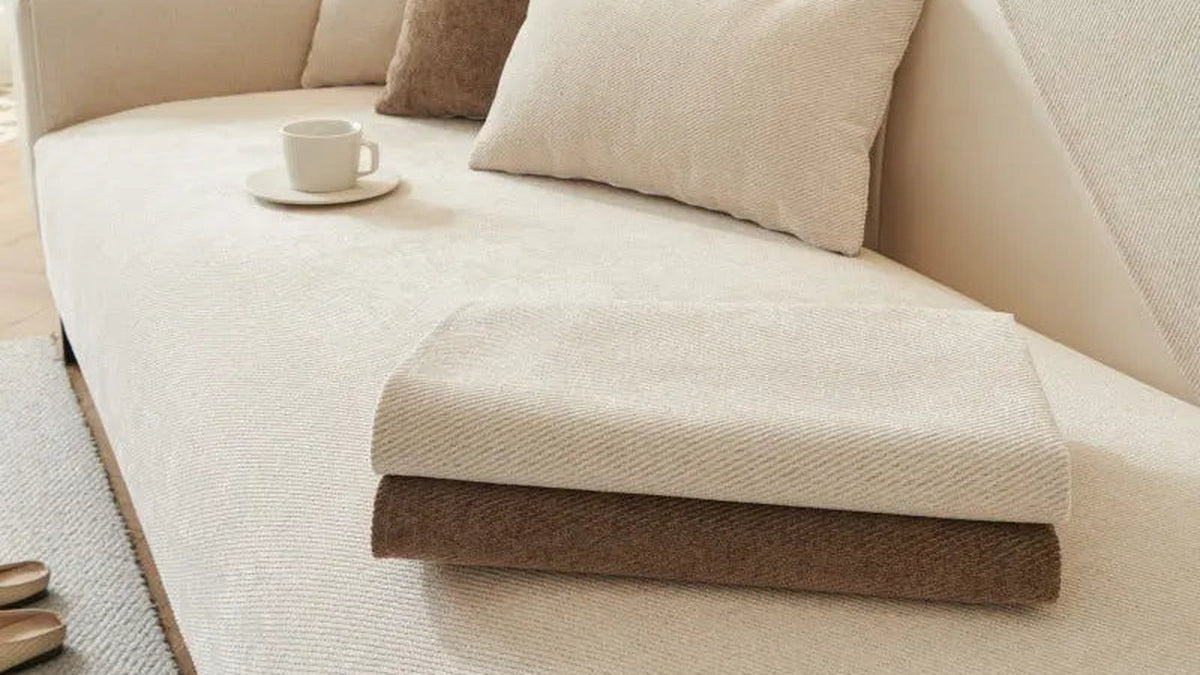
- Textured neutrals: Think oatmeal, flax, sand, soft stone, or warm greige. Texture adds depth so the sofa does not look flat, even in a single color.
- Light heathered tones: A gentle heather (tiny color variation) is a lifesaver for busy homes because it disguises lint, crumbs, and everyday pet hair better than a solid, ultra-smooth fabric.
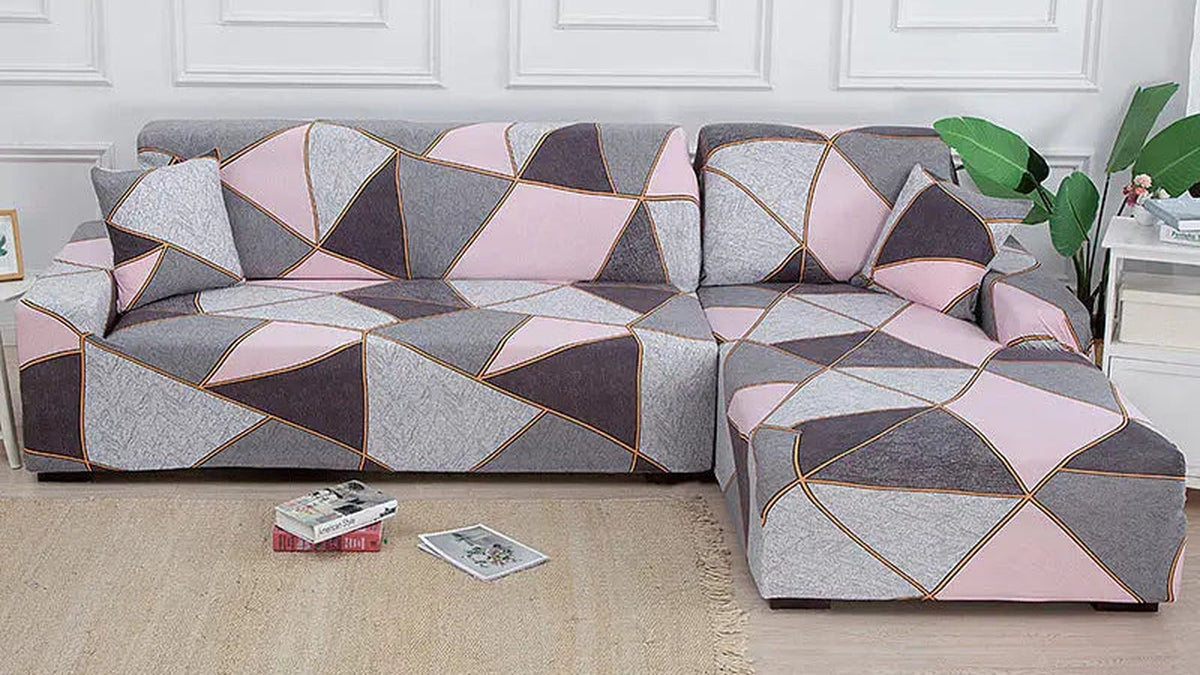
- Subtle patterns: A small herringbone, micro-stripe, or quiet geometric reads classic and tidy, and it visually camouflages fur “highways” where pets love to nap.
Practical bonus: these choices pair beautifully with washable couch covers, because you can wash more often without worrying that the fabric will look tired after a few cycles. (Always follow the care label, and consider a second cover so you can swap while one is laundering.)
Design principle to remember (often recommended in décor styling guides): tonal layering keeps a room calm while still interesting. If your cover is a warm neutral, layer pillows and throws in neighboring tones (cream, tan, soft gray) plus one deeper accent for contrast.
2) Make seasonal refreshes easy (without buying new furniture)
One of the most family-friendly style upgrades is treating your sofa cover like a “seasonal wardrobe.” You get that new-room feeling without the cost or waste of replacing a sofa.
- Spring and summer: Go lighter and airier with linen-like textures, soft whites, pale gray, or light beige. These shades visually “lift” a room, especially if you open windows more often and want everything to feel bright and breezy.
- Fall and winter: Swap to richer textures and slightly deeper neutrals like taupe, mushroom, or warm charcoal. These tones feel cozy and are forgiving when boots, blankets, and hot cocoa become regular guests.
This rotation also supports mold prevention habits: in humid seasons, you can keep a lighter, more breathable layer in play and wash and fully dry it more frequently, which is exactly what you want from breathable sofa covers in real life.
3) Keep pet life chic with smart styling (and smarter fabric choices)
If your home includes paws, you do not need to give up an elegant space. You simply need a plan.
A pet-friendly couch cover looks best when it is:
- Structured enough to hold its shape (so it does not look rumpled after zoomies)
- Textured enough to hide hair (heathers and weaves are your best friend)
- Easy to clean on a schedule (so “pet smell” never settles in)
Style tip: If your pet loves one corner, use a coordinated throw on that spot. It creates an intentional “pet zone” while letting the main cover stay crisp longer. When the throw needs a refresh, toss it in the wash instead of stripping the full cover every time.
4) Premium or vintage sofas: protect the silhouette, not just the fabric
For vintage, designer, or heirloom pieces, the goal is protection with respect for the original lines. Look for breathable sofa covers that feel:
- Gentle and non-abrasive: Avoid rough weaves that could catch on delicate upholstery or cause friction over time.
- Tailored in fit: A closer, smoother fit helps preserve the sofa’s shape and keeps the cover from bunching in seat seams where moisture and dust can collect.
- Light in feel (not heavy or plasticky): Heavy backings and stiff coatings can trap humidity, which works against your goal of using a sofa cover to prevent mold.
If the sofa has sculpted arms or a distinct back profile, prioritize a cut that follows those contours. You will get a more elevated look and less shifting, especially in high-traffic spaces.
Mini before/after scenarios (quick inspiration you can copy)
1) Family room refresh (kids + snacks + movie nights)
- Before: Dark, non-breathable protector that looks shiny and holds onto odors after spills.
- After: A heathered oatmeal washable couch cover with a simple basketweave texture, plus two washable pillow covers. The room looks brighter, and lint is far less visible between cleanups.
2) Rental living room (small space, big impact)
- Before: Mismatched sofa color clashes with the rug, and the space feels “temporary.”
- After: A light stone breathable cover + layered neutrals (cream throw, warm wood tray, soft gray pillow). The sofa becomes a calm anchor, and the cover helps the cushion area air out faster after humid days.
3) Vintage sofa protection (you want preservation, not disguise)
- Before: Beautiful vintage upholstery, but you worry about sun, spills, and musty odor after rainy weather.
- After: A tailored, gentle-texture breathable cover in a soft flax tone that keeps the original silhouette intact and reduces the risk of trapped moisture along seams and cushions.
A stylish cover should not just look good on day one. It should look good on day 100, after dog cuddles, homework sessions, and the occasional spilled drink. Next, we will make sure the practical side matches the aesthetic by walking through how to choose the right cover for your specific space, from standard sofas to sectionals, and from homes to offices.
Choosing the Right Cover for Your Space (Home vs. Office, Standard vs. Sectional)
A breathable cover only does its job if it fits well and matches how your space is actually used. Think of this as your calm, practical decision framework: measure first, then choose features that make life easier. The goal is a sofa cover to prevent mold that also looks intentional in your room.
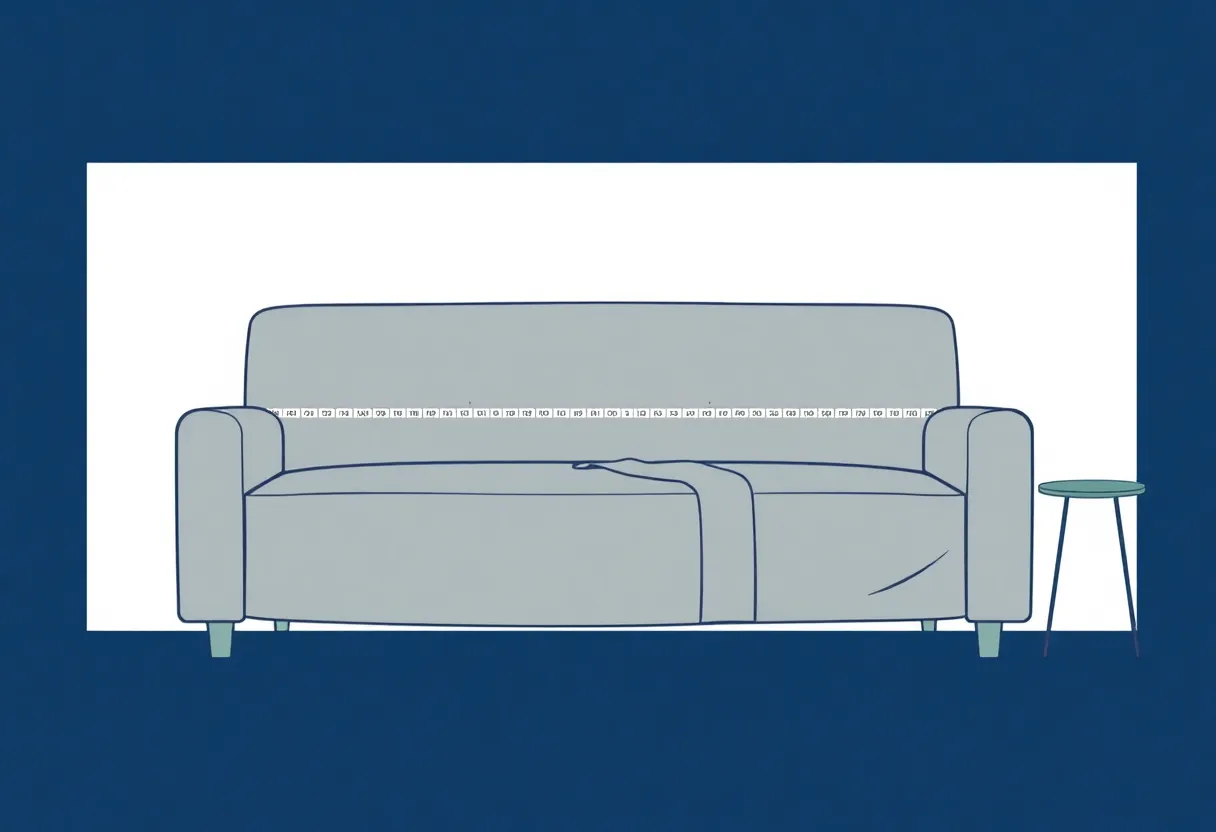
1) Fit first: a simple measurement checklist that prevents slipping and friction
Poor fit is one of the fastest ways to end up with bunching, trapped dampness, and constant readjusting. A good fit reduces shifting and friction, which helps the fabric stay breathable and keeps dirt from grinding into your upholstery.
Use this quick checklist (the same sizing basics many furniture retailers and upholstery guides recommend):
- Seat width: measure across the widest part of the seating area (left to right).
- Cushion depth: front edge of the cushion to where it meets the back.
- Back height: from the seat (or cushion top) to the top edge of the sofa back.
- Arm shape and arm width: note whether arms are square, rolled, flared, or low profile, and measure the widest point.
- Seat count and cushion style: 2 seat, 3 seat, T cushions, bench cushion, loose back cushions, etc.
- Sectionals: measure each section separately (chaise length and depth, corner wedge width, and the full “L” footprint).
Sizing tip: if you are between sizes, avoid going so tight that the cover compresses cushions like shrink wrap. Breathable sofa covers work best when they can sit smoothly without sealing off airflow.
2) Match the cover to the way the space lives (home vs. office)
The “right” cover is different for a family movie night sofa than for a client facing waiting area. Here is an easy way to decide without overthinking it.
For busy families (kids, snacks, real life):
- Prioritize washable couch covers with care instructions you will actually follow weekly or biweekly.
- Look for a secure fit that stays put through jumping, crawling, and blanket forts.
- Choose colors and textures that forgive fingerprints, crumbs, and everyday lint (heathered neutrals are quietly elegant and practical).
For pet owners:
- Your best friend is a pet-friendly couch cover that is washable and not too “grippy” on fur.
- Focus on high contact zones: favorite nap cushion, armrest perch, and the spot near the door where wet paws land first.
- Pair breathability with quick drying habits from earlier sections so damp fur does not linger in seams.
For small businesses and coworking spaces (waiting areas, lounges, staging homes):
- Choose a cover that looks tailored and stays smooth because visual neatness is part of your brand.
- Prefer easy turnover: a cover that can be removed and washed regularly without losing shape.
- Keep a spare on hand for fast changeovers after coffee spills or rainy day traffic.
Small business scenario example: In a waiting area with frequent guests, a washable, breathable cover reduces odors over time and helps upholstery dry faster after routine wipe downs or spot cleaning. That means fewer “mystery smells” that can build up when moisture sits under a non-breathable layer.
For décor lovers and design conscious homes:
- Breathability does not have to look utilitarian. Select colors that layer beautifully with throws and pillows, and textures that feel elevated (subtle weaves, refined knits).
- If your sofa is a focal point, a well-fitted breathable cover keeps the silhouette crisp while still functioning as daily protection.
For premium or vintage furniture owners:
- Choose fabric that feels gentle with minimal bulk, so you protect the original upholstery without distorting its shape.
- Breathability matters here because older natural fibers can be more sensitive to trapped humidity. A sofa cover to prevent mold is as much about airflow as it is about spill protection.
3) Standard sofas vs. sectionals: choose a setup that supports airflow and easy care
Standard sofas are usually straightforward: one cover can work well as long as the back height and arm style are compatible.
Sectionals benefit from a more modular approach:
- Cover each piece (chaise, corner, armless section) so you can remove only what needs washing.
- Modular fitting reduces bunching at corners where moisture and crumbs love to hide.
- If a spill happens on one seat, you can wash that section instead of stripping the entire sofa.
This is one of the simplest ways to keep breathable sofa covers practical long-term. Less laundry drama means you are more likely to keep up with the routine that helps prevent musty odors.
4) When you may need extra protection: target the high-wear zones
If you are constantly washing the whole cover just because the arms look tired or one cushion took the hit, add targeted pieces instead. This reduces full-cover washing frequency and helps your main cover last longer.
High wear zones usually include:
- Armrests (skin oils, sunscreen, pet paws, snack hands)
- Front edge of seat cushions (sliding in and out, shoe scuffs)
- Favorite seat (pets, naps, repeated pressure)
- Chaise area (blankets, lounging, damp hair after showers)
A practical add-on approach: keep your main cover breathable and elegant, then layer protection where life happens most. You can explore Armrest and Cushion Covers for high-wear zones here: https://frenchcovers.com/collections/armrest-cushion-covers
This combination is especially helpful if you are trying to maintain a sofa cover to prevent mold, because you can wash and fully dry the smallest pieces more often, rather than letting moisture and grime build up until a full wash feels unavoidable.
5) Quick decision recap (so you can choose confidently)
- If you want the most stability and airflow: measure carefully and avoid overly tight fits.
- If your home is active: choose washable couch covers and consider add-on protection for the busiest spots.
- If you have pets: pick a pet-friendly couch cover setup that is easy to remove, wash, and dry.
- If your space is client facing: prioritize a smooth, tailored look and quick turnover.
- If your sofa is premium or vintage: keep it gentle, minimal bulk, and breathable.
Next, we will bring it all together with simple maintenance habits and a final checklist so your cover stays fresh, polished, and comfortable in every season.
Choosing the right breathable sofa covers means inviting peace of mind into your home. By understanding how moisture, airflow, and smart materials work together, you can stop musty odors before they start and protect your favorite furniture from the daily realities of family life. Whether you need a sofa cover to prevent mold in a humid climate, a washable couch cover for quick weekday resets, or a pet-friendly couch cover for muddy paws and cozy naps, you now have a clear, action-oriented routine that keeps your space fresh and beautiful. Your sofa is where life happens, and it deserves protection that breathes with you. Protect your sofa before the next spill or rainy week—explore breathable, washable cover options and choose a fit that keeps your home fresh and easy to manage today. Because a well-loved couch should always feel like a sanctuary, never a source of worry.
FAQs: Choosing Breathable Sofa Covers for Healthy, Beautiful Living Spaces
A breathable cover should do more than hide wear. In the article, we share how breathable sofa covers help reduce trapped humidity (a key cause of odors and mildew), while still delivering a polished look that works for family rooms, pet homes, and design-forward spaces. Use the quick answers below to pick a sofa cover to prevent mold, simplify cleaning, and protect the furniture you love.
Q: Do breathable sofa covers really help prevent mold and mildew? A: Yes. The article explains that breathable sofa covers support airflow so moisture is less likely to get trapped against upholstery, which helps reduce mildew risk and musty smells. Pair a breathable option with routine checks and cleaning for the best sofa cover to prevent mold. See Why Breathability Matters and Mold and Moisture Prevention Tips.
Q: What’s the difference between breathable, water-resistant, and waterproof couch covers? A: Breathable sofa covers prioritize airflow to help manage humidity, while water-resistant fabrics repel small spills and waterproof layers can fully block liquid but may trap moisture underneath. The article recommends balancing spill protection with breathability, especially in humid homes or busy shared spaces. See Breathable vs Water Resistant vs Waterproof and Choosing the Right Cover for Your Home.
Q: How often should I wash a sofa cover if I have kids or pets? A: For busy families, the article suggests choosing washable couch covers and washing on a predictable cadence, typically every 2 to 4 weeks, or sooner after spills, accidents, or heavy shedding. A pet-friendly couch cover also benefits from weekly vacuuming to reduce dander and odors between washes. See Care and Washing Guide and Homes with Kids and Pets.
Q: What should I do if my couch already smells musty under the cover? A: Start by removing the cover immediately, letting the sofa fully air out, and washing the cover if it is a washable couch cover per the care label. The article notes that musty odor often signals trapped moisture, so switch to breathable sofa covers and avoid sealing damp upholstery under a tight layer. See If You Notice Musty Odors and Drying and Ventilation Steps.
Q: Are breathable covers safe for leather, velvet, or vintage upholstery? A: In most cases, yes, because a sofa cover to prevent mold should allow airflow instead of trapping humidity against delicate materials. The article recommends gentle, non-abrasive breathable sofa covers, avoiding rubbery backings on vintage or velvet pieces, and spot-testing for color transfer. See Covers for Leather, Velvet, and Vintage Furniture and Fit and Fabric Checklist.