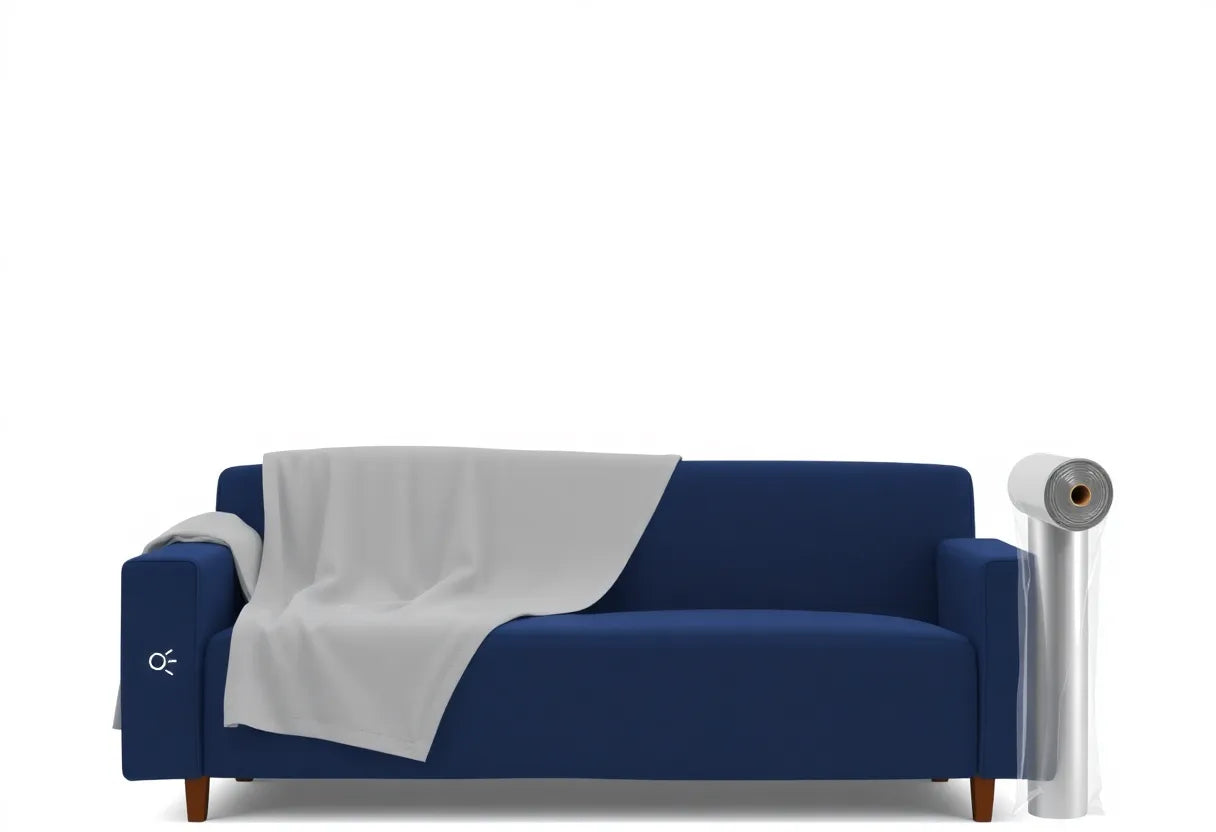
One scratch on a sofa leg can turn moving day into a week of regret. If you are juggling kids, pets, or a tight schedule, it is easy for dust, claws, and door frames to win.
That is why the choice between reusable moving covers and plastic wrap for moving furniture matters more than most people think. You need protection that is fast, tough, and kind to your home. And if you own premium or vintage pieces, you also need it to look and feel right.
In this guide, you will learn the real pros and cons of each option, plus eco-friendly furniture protection tips you can use right away. We will also cover how to protect furniture when moving without adding stress or waste.
First, let’s look at what each material actually does best.
Quick Comparison: Reusable Moving Covers vs Plastic Wrap (What Really Matters)
When you are figuring out how to protect furniture when moving, it helps to stop thinking in terms of “what is fastest” and start thinking in terms of “what protects the finish I paid for.” Both reusable moving covers and plastic wrap for moving furniture can be useful, but they solve different problems.
Below is a scan-friendly scorecard, then a practical breakdown by what actually happens on moving day: bumps, scuffs, dust, rain, and the rush to unload.
Fast scorecard (1 to 5)
| What matters most | Reusable moving covers | Plastic wrap for moving furniture |
|---|---|---|
| Protection (impact + abrasion + corner scuffs) | 5 | 2 |
| Protection (dust + light splash barrier) | 4 | 4 |
| Speed to apply | 3 | 5 |
| Cost per move | 4 | 2 |
| Waste (lower is better) | 5 | 1 |
How to read this: wrap wins on speed and decent dust protection. Padded, fabric-based covers win on “real life” damage prevention like door frames, truck walls, stair rails, and rubbing between pieces.
For the eco side, the EPA emphasizes reducing waste by prioritizing reduction and reuse over single-use items, which is why multi-move protection is the more reliable path for eco-friendly furniture protection. Many municipal recycling programs also flag plastic film as a common recycling contaminant and note that it is often not accepted curbside, meaning moving wrap frequently becomes trash after one use.
External references to cite in your final draft: EPA guidance on waste reduction and single-use plastics; city or county recycling education pages on plastic film contamination.
What each option does best (and where it struggles)
Protection: bumps, scuffs, dust, spills
-
Reusable moving covers (especially padded or tightly woven options) are built for:
- Impact protection at corners and arms (the first places that get dinged).
- Abrasion resistance when furniture slides slightly in the truck.
- Better coverage for pet claws, kid shoes, and tool belts during loading.
-
Plastic wrap for moving furniture is best for:
- Dust control and keeping surfaces from getting gritty.
- Creating a quick outer layer to block light rain mist if used correctly.
Practical takeaway: Wrap is a shield against dust. Covers are a shield against damage.
Risk factors: moisture, condensation, residue, finish damage
This is where premium and vintage owners need to be cautious.
-
Moisture trapping and condensation
- Plastic wrap can trap humidity, especially around fabric upholstery or wood that is not fully sealed.
- Condensation risk increases with rainy weather, temperature changes, and long loading times.
-
Tape residue and finish damage
- Wrap often gets “secured” with tape, and tape can leave marks on wood finishes, lacquer, and leather.
- Even without tape, tight wrap can press grit into delicate fabrics or create pressure lines on softer leathers.
Safer default: If you use wrap at all, avoid direct contact with delicate surfaces and avoid tape touching wood or leather.
Convenience: speed, staying put, and removal
-
Plastic wrap
- Fast to apply, especially for bundling cushions or keeping drawers closed.
- Can loosen, tear, or snag during carry, then needs re-wrapping.
- Removal is quick, but cleanup is annoying (static cling grabs pet hair and dust).
-
Reusable moving covers
- Slightly slower upfront, but typically stay put better once fitted.
- Easier to remove without leaving anything behind.
- Bonus: once you arrive, they can double as temporary everyday protection while you unpack.
If you want a “move-in day looks clean” solution for family rooms or client-facing spaces, you can keep protective covers on for the first week, then transition to everyday options like these: Shop Sofa and Couch Covers for everyday protection.
Sustainability: single-use waste vs multi-move value
-
Reusable moving covers align with the reduce and reuse approach:
- One set can handle multiple moves, storage runs, renovations, and seasonal protection.
- They store neatly between moves (label a bin so they are ready for the next project).
-
Plastic wrap
- Typically single-use, easily torn, and often not accepted in curbside recycling.
- It adds up fast when you wrap bulky items like sectionals and upholstered chairs.
Family-friendly rule: If you are covering something large and fabric-based, start with reusable coverage first. You will use less wrap overall, and you will stress less about scratches.
Best-use scenarios (quick picks)
-
Short local move (same day, fair weather)
- Best: Reusable moving covers for upholstered pieces.
- Use wrap only for bundling: keeping cushions together or securing loose parts.
-
Long-distance move (overnight or multi-day)
- Best: Reusable covers for abrasion and vibration protection.
- Wrap becomes riskier because time increases moisture and odor issues.
-
Storage unit (weeks to months)
- Best: Breathable protection and dust control without sealing in humidity.
- Avoid leaving plastic wrap directly on furniture for long periods.
-
Rainy day loading
- Best: Reusable covers as the primary layer.
- If needed, add a short-term outer wrap layer as a rain barrier, then remove it soon after arrival so moisture does not linger.
This comparison explains why wrap often feels like the easy answer, but can create avoidable problems. Next, we will get specific about the moments when plastic wrap for moving furniture truly helps, and the common ways it backfires on fabric, wood, and leather.

When Plastic Wrap Makes Sense (And When It Backfires)
After the quick comparison, here is the truth most movers learn the hard way: plastic wrap for moving furniture is not “bad”, but it is very easy to use it in ways that create new problems, especially for upholstered or high-end pieces.
Think of wrap as a fast, temporary holding tool and a light dust barrier, not a stand-alone solution for protecting surfaces you care about.
Myth busting: What plastic wrap is actually good for
Myth: “If it is tightly wrapped, it is protected.”
Reality: Tight wrap mainly helps with containment. It does not cushion impacts, and it can trap moisture against sensitive materials.
Plastic wrap makes sense when you use it for:
- Keeping drawers and doors closed on dressers, nightstands, and cabinets (so they do not swing open mid-carry).
- Bundling loose parts like removable shelves, table leaves, and hardware bags (tape the bag to an internal area, then wrap the piece to keep everything together).
- Covering non-breathable items for very short periods such as plastic, metal, or sealed bins when you are moving through dusty hallways or light rain.
- Dust protection over blankets when you already have a breathable layer underneath (more on this below).
For busy families, this is where wrap shines: it saves time when you need quick control on moving day, without requiring perfect folding skills.
When plastic wrap backfires (and how to avoid the damage)
If you are aiming for eco-friendly furniture protection, the biggest issue is that wrap is usually single-use. But the bigger surprise is how often it risks your furniture’s finish and freshness.
Common mistakes we see (and what they lead to):
-
Wrapping fabric upholstery directly (sofas, velvet chairs, upholstered headboards)
- What happens: trapped humidity and condensation can lead to musty odors, damp padding, and in some cases mildew risk if it stays wrapped too long.
- Before/after scenario:
- Before: Wrap directly on a velvet chair for a long drive or overnight stop.
- After: The chair arrives looking fine, but smells stale within days, and the fabric can show pressure marks where the wrap tightened.
-
Wrapping wood while letting tape touch the finish
- What happens: adhesive can leave marks, pull a delicate finish, or create shiny “ghost lines,” especially on vintage, lacquered, or oil-finished wood.
- Rule of thumb: if you would not put tape on it in your living room, do not put tape on it on moving day.
-
Leaving wrap on in storage (or even for a week after the move)
- What happens: trapped moisture + no airflow equals lingering odor and a higher chance of finish issues. Storage units also swing in temperature, which increases condensation risk.
For an added layer of caution, many moving and insurance checklists emphasize preventing moisture damage during transport and storage, especially by avoiding non-breathable sealing on items that can absorb humidity. A practical reference is this United Van Lines guidance on protecting belongings from humidity and moisture during moves and storage:
https://www.unitedvanlines.com/moving-tips/storage-tips/storing-furniture-in-a-storage-unit
The safer approach: breathable first, wrap second (only if needed)
If you want to know how to protect furniture when moving and still use wrap strategically, use this simple layering method:
-
Start with a breathable base layer
Use a clean cotton sheet or moving blanket against the furniture surface. This prevents direct plastic contact and helps reduce moisture trapping. -
Add wrap on top only as a short-term barrier
Wrap over the blanket if you need extra hold, dust control, or brief rain protection during loading. -
Unwrap quickly at arrival
As soon as the piece is inside and safe, cut off the wrap to let the item breathe. Keep the blanket on until placement is done.
This one change fixes most “wrap regrets” and pairs well with reusable moving covers when you need stronger abrasion protection on corners and arms.
Safety checklist: Use this before you wrap anything
Ask these quick questions:
-
Is the item fabric, leather, or wood with a delicate finish?
If yes, do not wrap plastic directly on the surface. -
Will it be wrapped longer than a few hours (long-distance, overnight, storage)?
If yes, avoid sealing it in plastic. Choose breathable protection. -
Could tape touch the furniture finish?
If yes, reposition tape onto the wrap only, or use stretch tension to hold. -
Is this piece client-facing or premium looking (lobby seating, staging furniture, coworking lounge)?
If yes, avoid wrap residue and cling marks that make furniture look “handled.”
Small business tip: Keep the premium look on arrival
For coworking spaces, studios, and small offices, the fastest way to lose that clean, premium first impression is wrap residue on armrests or a sticky feel on seating. Client-facing pieces benefit from protection that removes cleanly and looks intentional.
If you are also dealing with high traffic, kids, or pets before and after the move, consider adding a durable, washable layer designed for daily life. This is where Anti-Scratch Couch Covers can be a smart upgrade for families and busy spaces:
Anti-Scratch Couch Covers for high-traffic homes and pets
Next, we will look at why reusable moving covers are often the better long-term solution for protection, cost-per-move, and waste reduction, especially for sofas, chairs, and premium furniture you plan to keep for years.
Why Reusable Moving Covers Are the Eco Upgrade (Cost, Waste, and Protection)
If Section 2 made you a little wary of plastic wrap for moving furniture, this is the calmer, cleaner alternative. Reusable moving covers are built for the exact kind of chaos that happens on moving day: tight corners, door frames, dollies, truck ramps, and the moment someone says, “Just slide it a bit.”
They also align with the EPA waste hierarchy, which prioritizes reduce and reuse before recycle, especially for single use plastics like film that often ends up as trash due to contamination and limited recycling access. That makes reusable covers a practical form of eco-friendly furniture protection, not just a feel good choice.
1) Better protection where furniture actually gets damaged: corners, arms, and edges
Most move damage is not a dramatic drop. It is repeated rubbing and small impacts:
- Sofa arms scraping a doorway
- Chair backs bumping a handrail
- Table legs rubbing against another piece in the truck
- Upholstery catching on a dolly strap
Reusable moving covers help because thicker fabrics create a buffer that plastic film simply cannot. Plastic wrap is great at holding things together and blocking dust, but it is thin. It stretches and can tear in micro spots right where you need protection most. A proper cover adds abrasion resistance and helps protect finishes and textiles when items shift slightly during carrying.
Actionable tip: Treat corners like “high impact zones.” If you only have time to do one thing, protect arms, front edges, and corners first, then cover the larger flat surfaces.
2) Lower waste over time: one set can cover multiple moves, storage runs, and real life
Busy households rarely move just once and never deal with furniture again. Think about how often you need temporary protection:
- A local move now, then a second move when the lease ends
- A storage unit for renovations
- Seasonal protection (holiday guests, muddy pets, indoor projects)
- Small businesses or coworking spaces swapping layouts, repainting, or reupholstering
Reusable moving covers are designed for repeat use. Plastic film, on the other hand, is typically single-use and frequently not accepted in curbside recycling. Many municipal programs specifically warn that plastic film tangles sorting equipment and becomes contamination, which is why it often ends up in landfill even if you try to do the right thing.
If you are moving with pets, reusable fabric protection also tends to be less clingy than plastic. Static cling from wrap can attract pet hair and dust, turning “clean protection” into a fuzz magnet right before you unload.
Want pet specific options you can keep using after moving day? See Pet Furniture Protection: https://frenchcovers.com/collections/pet-furniture-protection
3) Cost-per-move math (simple example over 2 to 4 moves)
Plastic wrap feels cheap because it is a small checkout item. The real cost shows up when you buy it again and again.
Here is a simple scenario many families recognize:
Scenario: local move + storage + second move
- Move 1: wrap a sofa, two armchairs, mattress, and a few wood pieces
- Storage: rewrap or patch areas after a month or two
- Move 2: wrap again for the next place
Typical costs vary by region and how heavily you wrap, but a realistic pattern looks like this:
-
Plastic wrap for moving furniture: 2 to 4 rolls per move for a medium home, often more if you double wrap upholstered items or bundle lots of pieces.
If rolls average $15 to $25, that is $30 to $100 per move. - Over 2 moves + storage touchups, many households spend roughly $90 to $250 on wrap alone (and still throw most of it away afterward).
Now compare that to reusable moving covers:
- Reusable moving covers: a set costs more upfront, but you use it repeatedly.
- Over 2 to 4 moves plus storage protection, the cost per use drops fast, and you are not repurchasing film every time you protect the same sofa.
A quick way to think about it:
- If reusable covers cost the same as the wrap you would buy across multiple moves, the covers start paying for themselves around the second move or even earlier if you store furniture or protect it seasonally.
Actionable tip: Before you buy supplies, list your “big plastic items” first (sofas, sectionals, upholstered chairs, mattresses). Those are where wrap use explodes. Converting just those pieces to reusable covers is usually the highest impact swap for eco-friendly furniture protection.
4) Furniture-care benefits: less residue risk, less static hair cling, fewer micro-tears
Premium and vintage pieces are less forgiving. The goal is not only “arrives intact,” but “arrives without new problems.”
Reusable covers help reduce common wrap-related issues:
- Less residue risk: No tape pressed against wood finishes, leather, or delicate trim.
- Less moisture drama: Fabric covers can be more breathable than direct plastic contact, lowering the chance of trapped condensation odor on upholstery. (This matters even more if you load in rain or store items.)
- Less static cling: Plastic film can attract pet hair and dust, especially in dry weather.
- Fewer micro-tears on delicate fabrics: Thin wrap can snag or create friction points when it shifts.
If your main question is how to protect furniture when moving without damaging it in the process, reusable moving covers are often the safer default for anything upholstered, finished, or high value.
Next, we will make this practical with a room-by-room plan so you know exactly what to cover first, how to prioritize delicate pieces, and what to do differently for family living rooms versus office seating.

Room-by-Room Protection Plan (Sofas, Chairs, Vintage Pieces, and Office Seating)
By now, you have seen why reusable moving covers usually win for real-world protection, and when plastic wrap for moving furniture is best kept as a supporting player. Next comes the part that saves the most heartbreak: knowing what to cover first in each room, so your furniture arrives clean, unscuffed, and ready to enjoy.
Below is a practical, family-friendly checklist you can follow item by item, with design-conscious details that matter for premium homes and delicate finishes.
1) Sofas and sectionals (family zone protection first)
Priority rule: protect what gets grabbed, bumped, and brushed against most. That is typically arms, front edges, and seat zones.
Do this (fast, high-impact steps):
- Start with arms and front corners. These take the most hits through doorways and in the truck.
- Add a washable, anti-scratch layer if you have kids or pets. It helps with claws, sneaker scuffs, and snack dust, plus it is easy to clean after the move.
- Secure cushions so they do not shift and rub. Friction is what causes “mystery wear” during transport.
- If you must use plastic wrap for moving furniture, keep it off upholstery. Use a breathable layer first (clean sheet or moving blanket), then apply wrap over that for short-term rain or dust control.
Mini packing list for sofas:
- Reusable moving covers sized for sofa or sectional pieces
- Optional: targeted arm and cushion protection for high-wear zones
- Breathable layer (sheet or blanket) if you anticipate rain or road dust
- Soft ties or straps (avoid sticky tape on fabric and finished wood)
For targeted protection where damage usually starts, consider Armrest and Cushion Covers for targeted protection: https://frenchcovers.com/collections/armrest-cushion-covers
2) Chairs and accent seating (backs, corners, and legs)
Chairs get damaged in two main ways: corner dings and leg rubbing. The goal is to keep sharp contact points padded and keep legs from grinding against other pieces.
Do this:
- Cover the chair back first, then corners. The back catches door frames and truck walls.
- Pad the top rail and arm ends (even on simple dining chairs). Those edges chip easily.
- Bundle chairs in pairs with a soft barrier between them. Fabric to fabric is fine. Wood to wood is not.
- Protect legs from abrasion: wrap legs with a soft layer so they do not rub against a dolly, tie-downs, or other furniture.
Mini packing list for chairs:
- Reusable moving covers or thick furniture bags (breathable is best)
- Soft padding for corners and top rails
- Straps or ties (positioned so they do not press into delicate trim)
3) Vintage and premium furniture (protect the finish, not just the shape)
If you are moving vintage, heirloom, or high-end pieces, the biggest risk is often finish damage from trapped moisture, abrasion, or adhesive contact. This is where reusable moving covers shine, because they are typically more breathable and less dependent on tape.
Do this:
- Avoid adhesives and direct tape contact. Even “gentle” tape can pull finish, cloud lacquer, or leave residue that attracts dirt.
- Use breathable layers first. Breathability helps prevent condensation from temperature swings during loading and transport.
- Protect carved details and protruding trim. Add extra padding over carvings, handles, and decorative edges so they do not snap or flatten.
- Use a fitted cover or a well-secured fabric layer so nothing flaps and scuffs the surface during driving.
A helpful baseline principle used in collections care is to choose inert, breathable coverings and avoid adhesive contact with sensitive surfaces, especially for finished wood and delicate textiles. Reference guidance from museum conservation resources like the Canadian Conservation Institute (CCI): https://www.canada.ca/en/conservation-institute.html
“Do not do” list for delicate materials
When you are deciding how to protect furniture when moving, these are the mistakes most likely to create permanent damage:
-
Leather
- Do not wrap leather tightly in plastic for long periods (especially in heat). It can trap moisture and encourage tackiness or imprinting.
- Do not tape onto leather or finished trim.
-
Velvet and other pile fabrics
- Do not press plastic wrap directly onto the fabric. It can crush the pile and create shiny pressure marks.
- Do not over-tighten straps across visible surfaces.
-
Lacquered or high-gloss wood
- Do not apply tape directly to the finish.
- Do not trap the piece in plastic for storage where temperature swings can create condensation.
4) Coworking spaces and small businesses (fast, clean arrival with minimal downtime)
If you manage client-facing seating, your priorities are different: speed, consistency, and a polished look the moment you arrive. Reusable moving covers are often the easiest way to get eco-friendly furniture protection without showing up to your new space with cling film bits stuck to everything.
Do this:
- Standardize your cover system so your team knows what goes where (one cover type for lounge chairs, one for task chairs, etc.).
- Choose covers that remove quickly and fold neatly. Faster unpacking means faster reopening.
- Aim for a clean look on arrival. Fabric covers typically look more professional than layers of plastic wrap for moving furniture, especially for lobby or meeting room pieces.
- Use wrap only for specific tasks: bundling loose parts, securing cords, or stabilizing rolling bases, not for direct contact on upholstery.
Mini packing list for office seating:
- Durable, easy-care reusable moving covers
- A small kit for quick touch-ups (lint roller, microfiber cloth)
- Straps for stacking and stabilizing chair bases
- Limited wrap for bundling only (not surface coverage)
With these room-by-room priorities, you can protect the pieces that matter most first, without over-wrapping everything in plastic. Next, we will turn this into a simple eco moving checklist so you can cut waste quickly while keeping the process calm and realistic for busy households and workplaces.
Eco Moving Checklist: Reduce Plastic Without Adding Stress
Moving is already a logistics puzzle. The goal here is not perfection. It is smart, high impact swaps that reduce waste while still protecting the pieces you love. Use this as a step-by-step plan you can screenshot, print, or turn into a family moving day checklist.
Step 1: Do the “Priority Swaps” first (biggest plastic savings, fastest wins)
If you only change one habit, change what you wrap most.
Priority Swap #1: Large upholstered items
- Sofas, sectionals, upholstered chairs, ottomans
- Why this matters: these shapes usually take the most plastic wrap for moving furniture because they are bulky and hard to secure.
- Swap to: reusable moving covers (or a thick, washable fabric layer) as your primary protection.
Priority Swap #2: High-contact zones
- Sofa arms, chair backs, corners, skirt edges, cushion faces
- Add targeted protection before you wrap anything. These areas take the hits from door frames, hand trucks, and truck walls.
Priority Swap #3: Anything you would hate to “unpeel” later
- Vintage fabrics, leather, lacquered wood, delicate trim
- Avoid direct plastic contact where possible. It is rarely worth the risk of trapped moisture or pressure marks on premium finishes.
Printable idea: A one-page “Cover First” list with checkboxes for sofa, loveseat, accent chair, dining chairs, headboard, office seating, plus a notes line for special pieces.
Step 2: Use plastic wrap only as a secondary layer (when it actually helps)
Plastic can still have a place in eco-friendly furniture protection if you treat it like a tool, not the default.
Use wrap only when one of these is true:
-
Rain or slush risk during loading
Best practice: put a breathable layer on the furniture first, then add wrap as a short-term rain barrier. -
Dusty truck or short-term outdoor staging
Again, wrap goes over fabric, not directly on upholstery.
Skip wrap when:
- The item is going into storage (wrap can trap humidity and odors).
- You are wrapping fabric upholstery directly (risk of moisture and “stale” smell).
- You will be tempted to leave it on “for a few weeks” after moving.
Quick rule for families: if it is soft and you sit on it, put fabric first.
Need an easy breathable base layer? Use throws and blankets as breathable layers under a rain barrier: https://frenchcovers.com/collections/throws-blankets
Step 3: Build a reusable packing kit (less waste, less chaos)
This is where stress drops, because you stop running to the store for one more roll of wrap.
Your low-plastic moving kit:
- Reusable moving covers for sofas and chairs (washable is ideal)
- Moving blankets (rent or buy once and keep)
- Rentable plastic crates for books, pantry items, office supplies (fewer cardboard failures)
- Paper tape where possible (easier to handle, less plastic)
- Stretch straps or tie-downs instead of “more wrap” to hold blankets in place
- Corner protectors you can reuse (especially for wood legs and tables)
Why this matters for waste: Many city recycling programs note that plastic film (like stretch wrap) is difficult to process and often contaminates recycling streams unless taken to specific drop-off locations. Checking your local municipality guidance can tell you whether film is accepted curbside (often it is not). The EPA also emphasizes waste reduction through the “reduce and reuse first” approach, which supports choosing reusables before relying on single-use materials.
Step 4: The 10-minute “before the truck” routine (how to protect furniture when moving)
Do this right before loading so the layers stay clean and tight.
- Clean and dry upholstery and wood surfaces (dust plus friction equals micro-scratches).
- Add a breathable base layer (blanket, throw, or clean sheet).
- Add your main protective layer (ideally reusable covers for the biggest pieces).
- Use wrap only where needed: seams, blanket edges, or as a top rain barrier for a short time.
- Label special handling: “This side up,” “Do not stack,” “Fragile legs.”
Pro tip for pet owners: pack a lint roller in the moving kit so you are not trapping pet hair under layers, especially on light fabrics.
Step 5: After the move, do the “reset” so reusables are ready next time
This is the part most people skip, then they have nothing usable for the next renovation, holiday hosting season, or surprise move.
After unloading:
- Remove wrap first, then breathable layers, then reusable covers. Let pieces air out.
- Wash reusable covers according to care instructions (especially if they picked up dust from the truck).
- Dry fully before storing to prevent musty smells.
- Store in a labeled bin: “Furniture protection, moving kit” with straps, tape, and a small repair kit.
A simple reset makes reusable protection feel like a premium system, not another chore.
This checklist keeps the speed of moving day while cutting down on single-use plastic where it counts most. Next, we will tie everything together with quick decision rules and practical takeaways so you can choose the right combination of reusable moving covers and plastic wrap for moving furniture for your specific move.

Moving day doesn’t have to be a choice between damaged furniture and wasteful plastic. You now know that the smartest path combines the heavy lifting protection of reusable moving covers with the strategic, short-term use of plastic wrap for moving furniture only where it truly helps. By prioritizing breathable layers for your upholstery, protecting high impact zones first, and choosing solutions that reduce waste move after move, you are not just safeguarding your sofa you are building a smarter, calmer process for your family and your home. This is the real meaning of eco-friendly furniture protection: it keeps your pieces beautiful, your budget intact, and your peace of mind strong. Want a cleaner move and a home that stays beautiful after unpacking? Explore FrenchCovers’ durable, washable furniture protection options today and get your pieces covered before moving week hits. Because the best protection is the one you can count on again and again.
FAQ: Reusable Moving Covers vs Plastic Wrap, What Actually Protects Your Furniture?
Moving day is hard enough without worrying about scuffs, pet hair, moisture, or finish damage. Below are quick, family friendly answers pulled from our guide on reusable moving covers vs plastic wrap for moving furniture, with simple steps for eco-friendly furniture protection and how to protect furniture when moving.
Q: Is plastic wrap safe for fabric sofas during a long-distance move? A: In the article, we flag that plastic wrap for moving furniture can trap moisture and heat, which is risky for fabric on long trips. Use breathable reusable moving covers as your main layer, and reserve wrap only for securing pads, not direct contact with upholstery. See Breathability and moisture risks.
Q: Do reusable moving covers protect better than moving blankets? A: Our comparison explains that reusable moving covers are purpose-fitted and stay put, while blankets can slip and expose corners during loading. For premium pieces, pair a fitted cover with a blanket only where you need extra cushioning, then secure without over-wrapping. See Reusable covers vs moving blankets.
Q: How do I protect a couch from pet hair, scratches, and spills during a move? A: The guide recommends a snug reusable moving cover to block pet hair and minor spills, plus corner protection to reduce scratch risk in tight hallways. For extra security, keep plastic wrap for moving furniture on the outside only to hold protective layers in place, not against fabric. See Pet friendly moving protection.
Q: What is the most eco-friendly way to protect furniture in a storage unit? A: For eco-friendly furniture protection, the article favors reusable moving covers and breathable barriers to prevent dust without trapping humidity in storage. Avoid fully sealing items in plastic wrap for moving furniture, and leave airflow around wood and fabric. See Storage and climate tips.
Q: Can plastic wrap damage wood finishes or leather upholstery? A: Yes, our guide notes that plastic wrap for moving furniture can stick, imprint, or trap moisture against wood finishes and leather, especially with heat or long storage. Choose reusable moving covers with a soft, non-abrasive interior, and add a breathable layer before any exterior wrap. See Finish and leather safety.