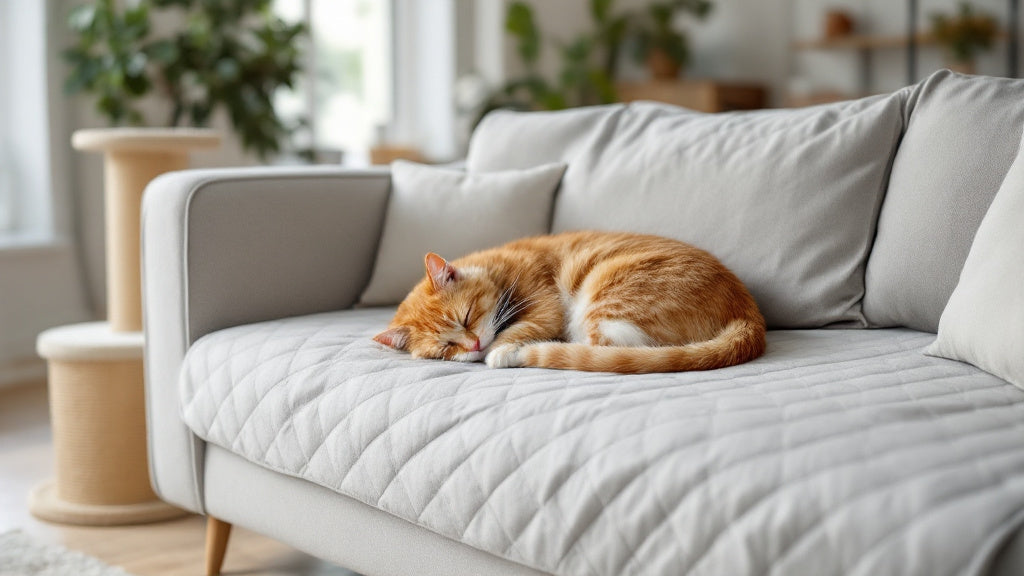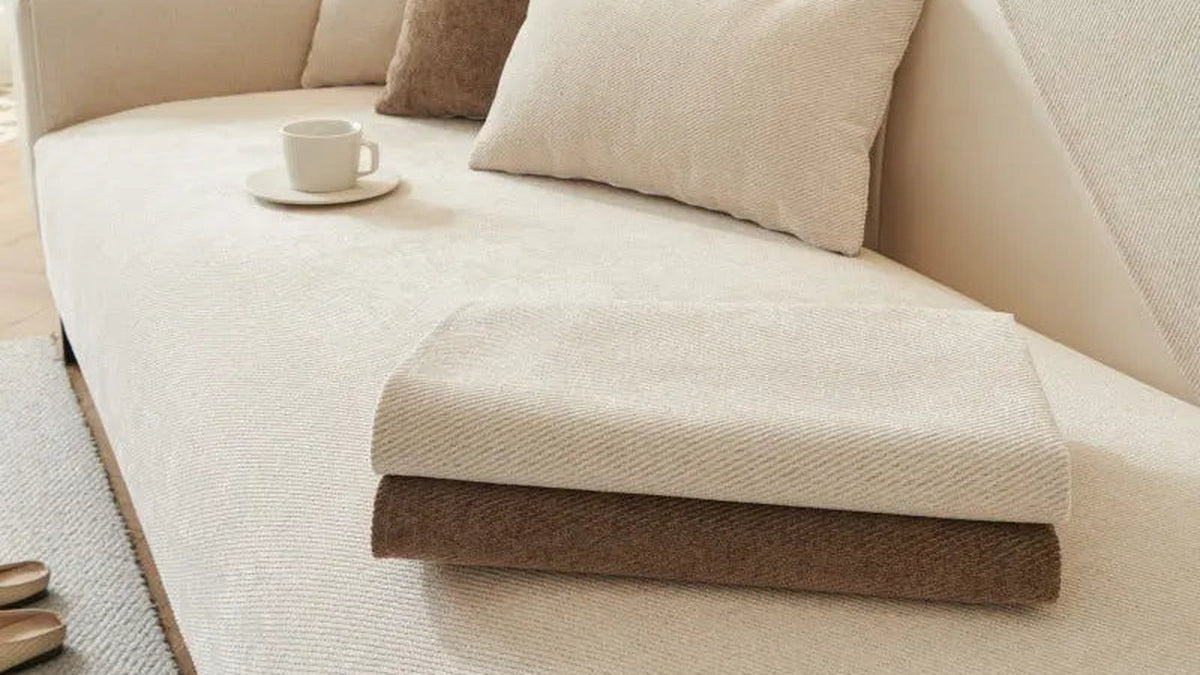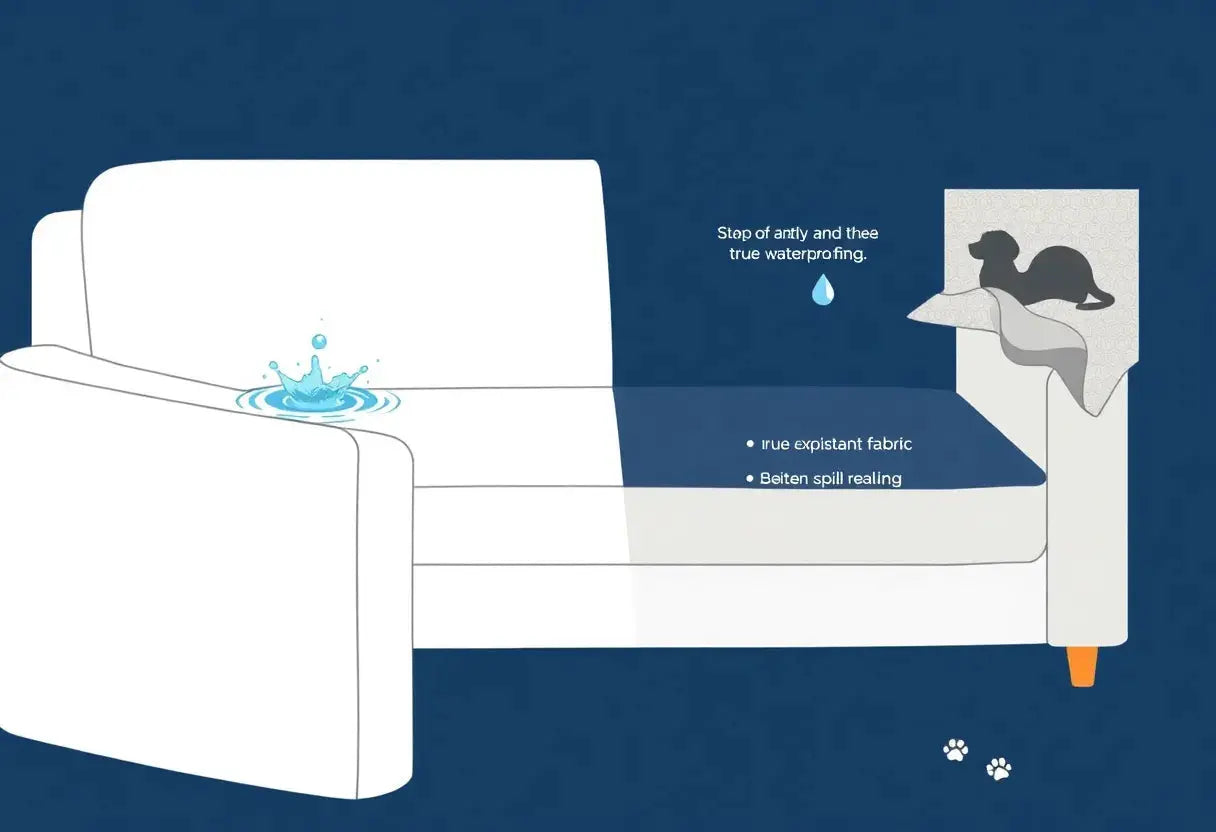
Coffee spills, muddy paws, and sticky fingers happen fast. So when you see “PFAS free” and “waterproof” on a sofa cover, it feels like an easy win.
But many busy families and pet owners end up with a cover that leaks, feels plasticky, or hides a chemical coating behind vague labels. If you love your living room, or you are protecting premium or vintage pieces, you deserve clearer answers.
In this post, you will learn how to spot misleading marketing terms and choose a PFAS-free waterproof sofa cover that truly fits real life. We will also cover what to look for in a waterproof sofa cover without PFAS, plus smart options for a non-toxic couch cover that still looks elegant and stays pet-friendly.
First, let’s break down the most common “waterproof” claims and what they actually mean.
What PFAS Means for Sofa Covers (and Why Shoppers Care)
If you have ever wondered why some “waterproof” fabrics feel almost too slick, too stain-proof, or too good to be true, PFAS is often part of the story.
PFAS, in plain language (and why it shows up on sofa covers)
PFAS are a large group of man-made chemicals often used to make products resist water, oil, and stains. In textiles, they can be part of certain water and stain-repellent finishes applied to fabric so spills bead up and roll off instead of soaking in. The U.S. EPA explains PFAS as “per- and polyfluoroalkyl substances,” a broad class of chemicals used in many consumer products for their resistance properties.
Helpful reference: U.S. EPA: PFAS basics and U.S. EPA: PFAS explained. Many states also publish consumer guidance urging shoppers to look closely at stain resistant and water repellent claims, especially for items used around kids.
For families and pet owners, this matters because a couch cover is not a once-in-a-while item. It is something your children sprawl on during movie night, where your dog naps after a muddy walk, and where snack time surprises happen daily. So choosing a waterproof sofa cover without PFAS is often about reducing “unknowns” in the home while still protecting the furniture you love.
“Waterproof” vs “water-resistant” vs “spill-resistant”: what these claims really mean
These terms get used interchangeably online, but they do not perform the same in real life:
-
Waterproof: Designed to block liquid from passing through the fabric (often using a barrier layer). A truly PFAS-free waterproof sofa cover usually relies on construction, not a fluorinated chemical finish, to stop liquids from reaching your upholstery.
Best for: juice boxes, coffee, pet accidents, and anything that sits long enough to soak. -
Water-resistant: Slows down absorption and may handle small splashes, but liquid can seep through over time or under pressure (think: someone sitting on a damp spot).
Best for: light, quick spills you wipe immediately. -
Spill-resistant: A marketing-friendly phrase that can mean anything from “tight weave” to a temporary repellent finish. It might bead at first, then lose performance after washing, wear, or repeated cleaning.
Best for: low-risk areas, or as a bonus feature, not your only line of defense.
If your goal is true protection for a high-use family room, “waterproof” should mean there is a real barrier doing the work, not just a surface treatment with unclear chemistry.
Why more shoppers want PFAS-free textiles (especially for everyday indoor use)
Across EPA resources and state consumer advisories, the theme is consistent: PFAS are widely used, can be hard to break down, and shoppers increasingly want transparency. In a home setting, people often choose PFAS-free because it offers:
- Peace of mind for close contact: Covers touch skin, pajamas, pet fur, and everything that ends up on the couch.
- Confidence for kid and pet routines: A non-toxic couch cover is a practical choice when toddlers snack on the sofa or pets lick their paws and then curl up beside you.
- A cleaner design story: Many décor lovers want materials that feel as good as they look, not stiff, overly coated, or “plastic-y.”
And yes, a pet-friendly sofa cover can still be protective without relying on PFAS. The key is verifying how the cover achieves waterproof performance.
Set realistic expectations: PFAS-free can still be truly practical (if you verify the build)
Here is the reassuring part: PFAS-free does not have to mean delicate or high-maintenance. It just means you should look for clear product details that explain how the cover blocks water. When you are shopping, scan for:
- Layered construction (example: a soft woven top layer plus a waterproof backing layer)
- Coatings or membranes that are clearly disclosed (for instance, a TPU-type backing is often used as a water barrier in many household textiles)
- Seams and edge finishing that match the level of protection you need (because even a great fabric can leak through poorly designed stitching or gaps)
If a listing says “PFAS-free” but never explains the barrier method, treat the waterproof claim as unproven until you see specifics.
If you want to compare designs that focus on barrier construction and everyday livability, start here: Waterproof Sofa Covers.
Quick glossary (so listings are easier to decode)
- PFAS: A large class of chemicals used for water, oil, and stain resistance in many products. (See EPA PFAS resources linked above.)
- DWR (Durable Water Repellent): A finish that helps water bead on the surface. Some DWR formulas have historically used fluorinated chemistry, so “DWR” alone does not confirm PFAS-free.
- Laminate (or membrane/backing): A thin barrier layer bonded to fabric to help prevent liquid from passing through. This is often what makes “waterproof” performance possible without relying on surface stain treatments.
- Seam sealing: A method used to reduce leakage through stitched areas. Not every sofa cover uses it, but it is a helpful term to know when evaluating “fully waterproof” claims.
Next, we will get very practical and call out the most common marketing phrases that sound reassuring but do not actually prove you are buying a PFAS-free waterproof cover.

The Top Misleading Terms to Avoid When Shopping “PFAS-Free Waterproof”
You are already thinking like a savvy shopper if you are comparing “PFAS free” and “waterproof” labels. The tricky part is that many listings lean on feel good phrases that sound safe and high-performing, but do not actually tell you what chemistry or construction is doing the work.
Below is a myth-busting checklist you can use on any product page to quickly spot red flags before you invest in a PFAS-free waterproof sofa cover (or any waterproof sofa cover without PFAS). These examples are pulled from common e-commerce wording patterns, and they align with the EPA’s consumer-friendly PFAS guidance plus state-level advisories that encourage shoppers to look for specific, verifiable claims instead of broad marketing language. For background, the U.S. EPA PFAS resources are a helpful baseline: U.S. EPA: PFAS basics.
1) “Eco-friendly” or “green” (with no test reports or policy)
Why it misleads:
“Eco-friendly” can refer to packaging, dye process, recycled content, or general sustainability positioning. It does not confirm the fabric is PFAS-free, especially when the same listing also promises strong stain resistance or long-lasting water repellency.
What to look for instead (actionable):
- A clear statement such as “PFAS-free” (not just “eco”).
- A short policy or FAQ that specifies they do not use fluorinated finishes or PFAS-based treatments.
- Material and construction details that explain how waterproofing is achieved (for example, a backing layer or a tightly engineered weave), rather than vague “green tech.”
Quick red-flag test:
If “eco-friendly” is the headline but the page never says “PFAS-free” plainly, treat it as “unknown.”
2) “Non-toxic” (without specifics)
Why it misleads:
“Non-toxic couch cover” is a comforting phrase, but it can be purely marketing unless the brand clarifies which chemicals are excluded and what the product is made of. Consumer agencies including the EPA repeatedly emphasize the value of clear, specific information when evaluating PFAS-related claims because PFAS is a class of chemicals, not a single ingredient.
What to look for instead (actionable):
- A specific statement: “PFAS-free waterproof sofa cover” or “waterproof sofa cover without PFAS.”
- Plain-language material disclosure: fabric composition and what creates the waterproof barrier (example: a laminate or backing).
- If the brand references testing, look for what was tested (the product or just a raw material) and whether the results are available on request.
Quick red-flag test:
If the listing says “non-toxic” but avoids naming materials, finishes, or a PFAS policy, you are being asked to buy on trust alone.
3) “PFOA-free” or “PFOS-free” only
Why it misleads:
PFOA and PFOS are two well-known PFAS chemicals, but they are not the whole category. A cover can be “PFOA-free” and still use other PFAS to achieve water or stain resistance. This is one of the most common loophole-style phrases shoppers run into.
What to look for instead (actionable):
- “PFAS-free” as the claim, not only “PFOA-free” or “PFOS-free.”
- A simple confirmation that no fluorinated stain or water-repellent finishes are used.
- Product details that show performance comes from design choices (construction and layers), not mystery coatings.
Quick red-flag test:
If a page highlights “PFOA-free” like a badge but never says “PFAS-free,” assume PFAS may still be present.
4) “Fluorine-free” vs “PFAS-free” (sounds similar, still ask for proof)
Why it can confuse:
You will see “fluorine-free,” “fluorocarbon-free,” and “PFAS-free” used as if they are interchangeable. In everyday product marketing, they often point in the same direction, but as a shopper you still want something verifiable: a clear, consistent policy and transparent product details.
What to look for instead (actionable):
- Consistency across the page: materials, care, and performance claims all align with a PFAS-free approach.
- A brand policy or statement you can screenshot or save (helpful for families and small businesses standardizing purchases).
- A product description that explains waterproofing without relying on “chemical magic.” If it is truly a PFAS-free waterproof sofa cover, the brand should be comfortable explaining the mechanism.
Quick red-flag test:
If “fluorine-free” appears once in a graphic but nowhere in the description, FAQs, or care instructions, it may be copywriting, not a commitment.
5) “Stain-proof forever” and other absolute promises
Why it misleads:
No textile coating or barrier performs perfectly forever. Waterproofing can weaken over time due to abrasion from daily sitting, pet claws, repeated washing, and heat. Absolute phrases like “forever,” “guaranteed,” or “100% stain proof” often skip the practical details you need to judge real-life durability.
How to interpret durability claims (actionable):
- Look for measurable language such as:
- Expected performance after a certain number of wash cycles.
- Abrasion resistance or wear guidance (especially important for a pet-friendly sofa cover).
- Care requirements that match real family life (machine washable, no special sprays).
- Check whether the listing distinguishes between “waterproof” and “stain-resistant.” Some covers block water with a backing layer but still may stain on the surface fabric if spills sit too long.
Quick red-flag test:
If the page makes big promises but has vague care instructions (or none), assume performance will be unpredictable.
A simple way to shop smarter (in 30 seconds)
When you are browsing, open the product page and scan for three things:
- An explicit PFAS-free statement (not just “green” or “non-toxic”).
- The “how” behind waterproofing (construction details, not buzzwords).
- Real-world care and durability info (wash guidance, what to avoid, and any performance limits).
If you want to compare options that focus on fit and everyday protection first, start here: Sofa and Couch Covers.
Next, we will turn these red flags into a positive, step-by-step buying guide so you can confidently choose a waterproof sofa cover without PFAS that still looks elevated in your space.
What to Look For Instead: A Simple PFAS-Free Buying Checklist
You have already seen how product pages can sound reassuring while staying frustratingly vague. Here is a simple, step-by-step way to screen for a PFAS-free waterproof sofa cover that actually works in real life, without turning your living room into a crinkly, plasticky compromise.
Step 1: Ask for clarity on both PFAS and waterproofing construction
A trustworthy listing should do two things clearly:
- Say “PFAS-free” explicitly (not just “eco,” “green,” or “PFOA/PFOS-free”).
- Explain how water protection is achieved, such as:
- Layered fabric construction (comfort layer plus protective layer)
- TPU backing (a common waterproof membrane option)
- A tight weave (often more water-resistant than fully waterproof, unless paired with a backing)
If a brand cannot explain the mechanism, the waterproof claim is basically untestable from the shopper side. For families trying to avoid surprise coatings, “PFAS-free” plus construction details is what separates confident choices from guesses.
Step 2: Check care instructions like you check a kid’s snack label
If you want a waterproof sofa cover without PFAS to stay protective, the care section matters as much as the material.
Prioritize covers that are:
- Machine-washable
- Clear about water temperature and cycle (usually gentle)
- Clear about drying (air dry or low heat if allowed)
Be cautious if the listing suggests you need to “refresh waterproofing” with sprays. That often means protection relies on a topical treatment that can wear off unevenly, which is not ideal when you are aiming for a more non-toxic couch cover approach.
Step 3: Confirm real-life fit features (because gaps are where leaks happen)
Even the best waterproof layer cannot help much if the cover shifts and leaves high-contact areas exposed. Look for practical fit details that keep protection where you need it:
- Elastic hems to hug the frame
- Straps or anchors to reduce sliding
- Non-slip backing for smooth leather or slick upholstery
- Separate cushion pieces (especially helpful for sectionals and deep seats)
This is also where “pet-friendly” becomes real. A well-fitted pet-friendly sofa cover is less likely to bunch up under zoomies, and it protects seams and cushion edges where claws and repeated jumping tend to hit hardest.
If pet wear is a top concern for you, pair waterproof protection with scratch defense using this collection: Anti-Scratch Couch Covers.
Step 4: Match the cover to your household’s most common mess
Use your day-to-day as the test, not marketing promises:
- Kids + juice boxes: Look for truly waterproof construction (like a backing layer), plus easy, frequent washing.
- Pets + muddy paws: Prioritize secure fit (straps, non-slip) and textures that do not trap hair as easily.
- Entertaining + red wine: Fast wipeability matters, but so does a tailored look so your space still feels elevated.
- Daily lounging: Comfort and breathability matter. A cover should feel like part of your sofa, not an afterthought.
Step 5: Use the quick decision rule when listings get fuzzy
If a product page is vague about materials, construction, and testing, treat the waterproof claim as unknown. When the stakes are a sofa you love (especially premium or vintage pieces), uncertainty is not a savings.
Quick checklist table: claims vs what to demand
| Claim you see online | What it should include | What to avoid |
|---|---|---|
| “PFAS-free” | Explicit “PFAS-free” statement plus material or construction details (ex: layered design, TPU backing, tight weave) | Only “PFOA-free” or “PFOS-free,” or feel-good language with no specifics |
| “Waterproof” | How waterproofing is achieved (backing layer, sealed construction notes) and clear care instructions | No explanation of the barrier, or “waterproof” paired with lots of disclaimers |
| “Non-toxic” | Specific material disclosure and straightforward statements (not just a badge) | “Non-toxic” with no definition, no composition info, no documentation |
| “Pet-friendly” | Fit features (straps, non-slip) plus durable fabric notes and easy hair cleanup | Only cute pet photos and no functional details |
| “Easy care” | Machine wash guidance that preserves performance without special sprays | “Dry clean only” or “reapply treatment after washing” as the main plan |
With these checkpoints, you can shop confidently for a PFAS-free waterproof sofa cover that suits busy family life and still looks design-forward. Next, we will talk about how to keep that polished, French-chic feel with color, texture, and layout choices that stay beautiful even with kids and pets in the mix.

Style + Protection: How to Keep Your Living Room Looking French-Chic (Even With Kids and Pets)
Once you have filtered out the vague labels and found a PFAS-free waterproof sofa cover (or a waterproof sofa cover without PFAS) that is actually built for real life, the next question is the one every design loving parent and pet owner asks: will it still look beautiful on a Tuesday afternoon?
Good news: “family-proof” does not have to mean bulky, shiny, or dorm-room vibes. With a few styling choices, a non-toxic couch cover can feel elevated and intentional, while still doing the unglamorous work of catching spills, paw prints, and snack crumbs.
1) Color strategy: choose mid-tones + texture for the cleanest look (with the least effort)
In busy homes, the goal is not perfection. It is a cover that looks fresh between washes.
What tends to look best day-to-day
- Mid-tones (instead of very dark or very light): they disguise minor marks and everyday dust better.
- Textured weaves (instead of flat, smooth solids): texture “breaks up” lint, pet hair, and tiny scuffs so they read as part of the fabric, not a flaw.
Why flat dark colors can be trickier than people expect
A flat charcoal or black can look sleek online, but in real rooms it often shows:
- light colored pet hair
- lint and dry skin flakes
- water spots and streaking after spot-cleaning
If you want a pet-friendly sofa cover that still feels polished, think “soft structure” and “quiet texture” rather than high contrast.
Mini palette guide (French-chic, family-friendly)
Use this as a quick shortcut when you want style plus camouflage.
Warm neutrals (cozy, timeless, hides everyday dust well)
- oatmeal, flax, sand, greige
- pairs beautifully with walnut, brass, warm whites, terracotta accents
Cool greys (tailored, minimalist, great for modern spaces and small businesses)
- dove grey, stone, graphite (best in textured weaves)
- pairs well with black accents, chrome, glass, crisp white walls
Muted blues and greens (color that still behaves like a neutral)
- dusty blue, slate blue, muted navy
- sage, olive-grey, eucalyptus
- great if you want personality without showing every fingerprint
2) Seasonal refresh without buying a new sofa (or a whole new cover)
If your living room does double duty as playroom, movie theater, and hosting zone, “one look forever” is unrealistic. The easiest design upgrade is a simple rotation plan.
Try a base cover + seasonal layers approach:
- Keep your main PFAS-free waterproof sofa cover in a hardworking, goes-with-everything shade.
- Refresh the vibe with pillow covers and a throw: lighter textures in spring and summer, richer knits and deeper tones in fall and winter.
- For high-mess seasons (holidays, rainy months, new puppy era), add a washable throw on the main seat zone for extra quick protection.
This keeps your room feeling styled, not “covered up,” and it stretches time between full cover washes.
3) Layout tips: protect high-contact zones while keeping a tailored silhouette
The most lived-in areas of a sofa are predictable:
- armrests (hand oils, snacks, pet paws)
- front edge of seat cushions (sliding in and out, shoe scuffs)
- the “favorite spot” where everyone piles on
A smart way to stay elegant is to layer protection where it counts instead of overbuilding bulk everywhere.
Tailored look, high protection setup
- Use your main cover for an overall fitted finish.
- Add targeted pieces for the high-touch areas, especially if you have kids, pets, or frequent guests.
If you want this modular approach, look at Armrest and Cushion Covers:
Armrest and Cushion Covers
These add-ons are especially helpful when you want a pet-friendly sofa cover setup that still looks “designed,” because you can protect the wear zones without resorting to an oversized, shifting cover.
4) Before/after styling scenarios (real-life friendly)
Family room (kids + pets)
- Before: dark flat fabric shows lint, crumbs collect in seams, arms look worn fast.
- After: mid-tone textured cover + armrest protection + a washable throw over the main seat. The room looks calm and intentional even when toys are out.
Minimalist living room (design-forward, low visual clutter)
- Before: fear of spills means no one relaxes, and spot-cleaning leaves marks.
- After: cool grey or stone textured cover with simple lines, paired with two structured pillows. You get the clean aesthetic, plus the confidence of a waterproof sofa cover without PFAS for everyday living.
Vintage or premium sofa (protect the piece, honor the style)
- Before: you hesitate to host because one drink spill could become a permanent stain.
- After: warm neutral cover that complements the original silhouette, plus discreet cushion protection in the most-used seats. It reads classic, not “temporary.”
5) Small business tip: keep seating guest-ready with professional neutrals
For waiting rooms, studios, and coworking spaces, the goal is polished and consistent, even with heavy use.
A simple formula that works:
- Choose neutral, professional tones like stone, greige, or graphite (again, texture helps).
- Keep spare cushion or arm covers on hand for the seats that get the most traffic.
- Prioritize easy-care cleaning so you can reset the space quickly between busy days.
This is where a non-toxic couch cover can be a quiet but meaningful choice, since clients and guests are sitting close to the fabric for extended periods.
These style choices help your cover look like part of the room, not a compromise. Next, we will make sure your good-looking protection stays effective by covering the care steps that preserve waterproof performance, without harsh add-ons or routine-killing laundry mistakes.
Maintenance That Actually Works: Keep Waterproof Performance Without Harsh Add-Ons
You did the hard part already: skipping vague marketing and choosing a PFAS-free waterproof sofa cover (or a waterproof sofa cover without PFAS) that fits your home and style. Now the goal is simple: keep that protection working through real life, like snack time, movie nights, and muddy-paw season, without relying on extra chemical sprays.
Below is a quick routine based on common textile care best practices and typical manufacturer care norms for waterproof and backed fabrics.
The fast routine (5 minutes now saves hours later)
-
Shake out debris regularly (daily or every other day if you have pets).
Crumbs and grit act like sandpaper. Less abrasion helps your cover stay smooth, elegant-looking, and longer-lasting. -
Spot-clean spills right away.
Blot, do not rub. Use a soft cloth with cool to lukewarm water and a small amount of gentle detergent if needed. This helps prevent staining and reduces the need for frequent full washes. -
Machine-wash only as directed, on a gentle cycle.
Most waterproof constructions rely on a backing layer or membrane. Gentle agitation protects that layer so your non-toxic couch cover stays protective, not crunchy or cracked. -
Air dry when possible (or use low heat only if the label allows it).
Heat is the #1 “looks fine until it suddenly leaks” culprit with waterproof backings.
Avoid the performance killers (what quietly breaks “waterproof”)
Many families assume stronger cleaning equals better results. With waterproof fabrics, it often does the opposite.
- High heat (when not recommended): can warp, shrink, or weaken waterproof layers and seams.
- Fabric softener and dryer sheets: can leave a residue that reduces water beading and can interfere with breathability and hand-feel.
- Heavy-duty solvents and harsh stain removers: may degrade coatings or backing layers, leading to peeling or wet-through.
If your cover is marketed as a pet-friendly sofa cover, these care choices matter even more because frequent washing is part of the deal.
Pet hair hack (before you wash)
If your home includes shedding, do this first to protect both your cover and your washer:
- Use a rubber brush, damp rubber glove, or a dedicated lint tool to pull hair off the fabric.
- Focus on seams, piping, and corners where hair packs in.
- Then wash. Less hair in the machine helps prevent clogs and reduces “re-deposit,” where hair ends up stuck back onto the cover during the cycle.
If you want an even easier day-to-day layer that plays nicely with kids and pets, pair your main cover with a washable throw designed for shedding households. See our Pet Hair Resistant Throws for a quick, style-forward top layer you can grab and launder often.
When to replace (or rotate) your cover: clear warning signs
Even the best PFAS-free waterproof sofa cover is not meant to last forever. Replace or rotate when you notice:
- Wet-through: moisture reaches the sofa cushion instead of staying on the surface.
- Peeling, bubbling, or flaking backing: a sign the waterproof layer is breaking down.
- A loose fit that shifts easily: gaps invite spills to sneak through at high-contact zones like seat seams and arms.
- Water stops beading and starts soaking: especially after you have already ruled out softener residue or incorrect drying.
A simple at-home check: place a few drops of water on the seat area. If it no longer beads and you are following the care label, your protection may be nearing end-of-life.
Up next, we will pull everything together with a simple wrap-up and shopping checklist mindset so you can confidently choose a waterproof sofa cover without PFAS that stays beautiful, washable, and ready for everyday family life.

So, the secret to a truly protected and stylish living room isn't a magic label—it’s smart shopping. You now know to look past vague terms like “eco-friendly” and demand clear PFAS-free statements paired with real construction details, like a layered fabric or TPU backing. This ensures your cover is a non-toxic couch cover that’s both genuinely waterproof and elegantly pet-friendly, built for your real, busy life.
Ready to protect your sofa the smart way? Choose a cover that fits your life—busy days, pets, and all—and upgrade your living room this week with an easy-wash, stylish option.
Because true peace of mind comes from knowing your family’s favorite spot is both beautifully designed and beautifully protected.
FAQ: Choosing a PFAS-Free Waterproof Sofa Cover With Confidence
Shopping for a PFAS-free waterproof sofa cover can feel tricky when product pages use vague claims and trendy labels. Below are clear, design-conscious answers based on the article’s key takeaways on misleading marketing terms, what “waterproof” really means, and how to verify a waterproof sofa cover without PFAS for real life with kids, pets, and beautiful furniture.
Q: What’s the difference between waterproof and water-resistant sofa covers? A: The article explains that “water-resistant” usually means it can handle small splashes for a short time, while “waterproof” is built to block liquid longer and more reliably. If you need everyday protection for family life, choose a PFAS-free waterproof sofa cover and verify the brand explains how it achieves waterproofing. See Waterproof vs Water-Resistant: What Brands Mean.
Q: Does “PFOA-free” mean the cover is PFAS-free? A: No, as the article warns, “PFOA-free” is a narrow claim and does not automatically equal a waterproof sofa cover without PFAS. Look for clear “PFAS-free” language plus details on the water barrier or coating used, not just one chemical name. See Misleading Labels to Avoid.
Q: How can I tell if a couch cover is truly PFAS-free when shopping online? A: The article recommends checking for explicit PFAS-free statements, not vague phrases like “eco-friendly” or “green,” and looking for material and coating specifics. If it is unclear, ask customer support directly whether any fluorinated treatments are used, and request written confirmation. See PFAS-Free Proof Checklist.
Q: Are PFAS-free waterproof sofa covers still effective for kids and pet messes? A: Yes, the article highlights that waterproof performance can come from smart construction and non-fluorinated barriers, so a non-toxic couch cover can still handle spills, muddy paws, and accidents. For the best results, blot quickly and follow care directions so the protective layer keeps doing its job. See Real Life Spill and Pet Testing Tips.
Q: How do I wash a waterproof sofa cover without ruining its protective layer? A: The article’s care guidance is simple: follow the label, use gentle detergent, skip harsh additives, and avoid high heat that can damage the waterproof backing. Air-drying or low heat helps a pet-friendly sofa cover keep its fit, finish, and protection longer. See Care and Washing Guidelines.