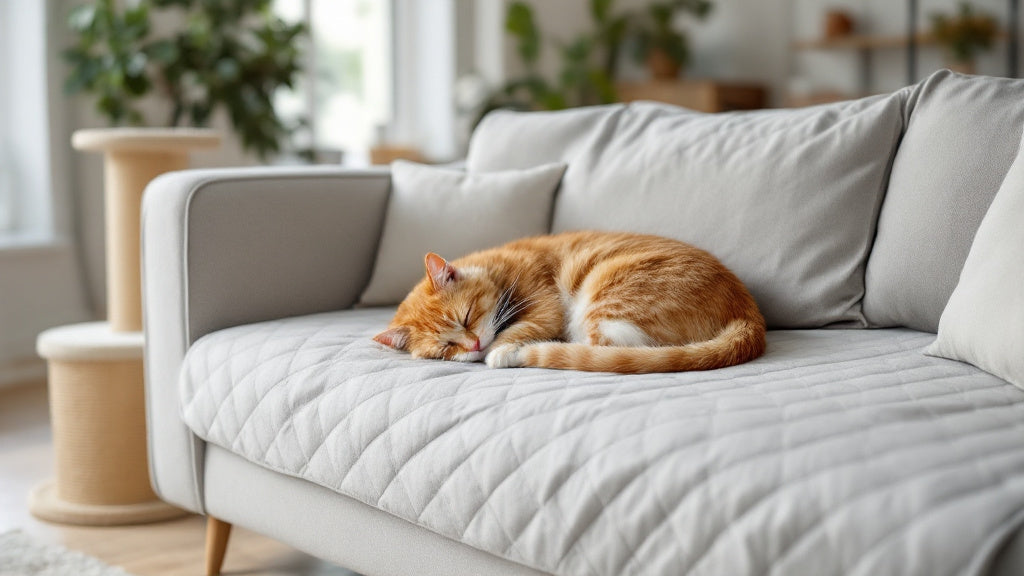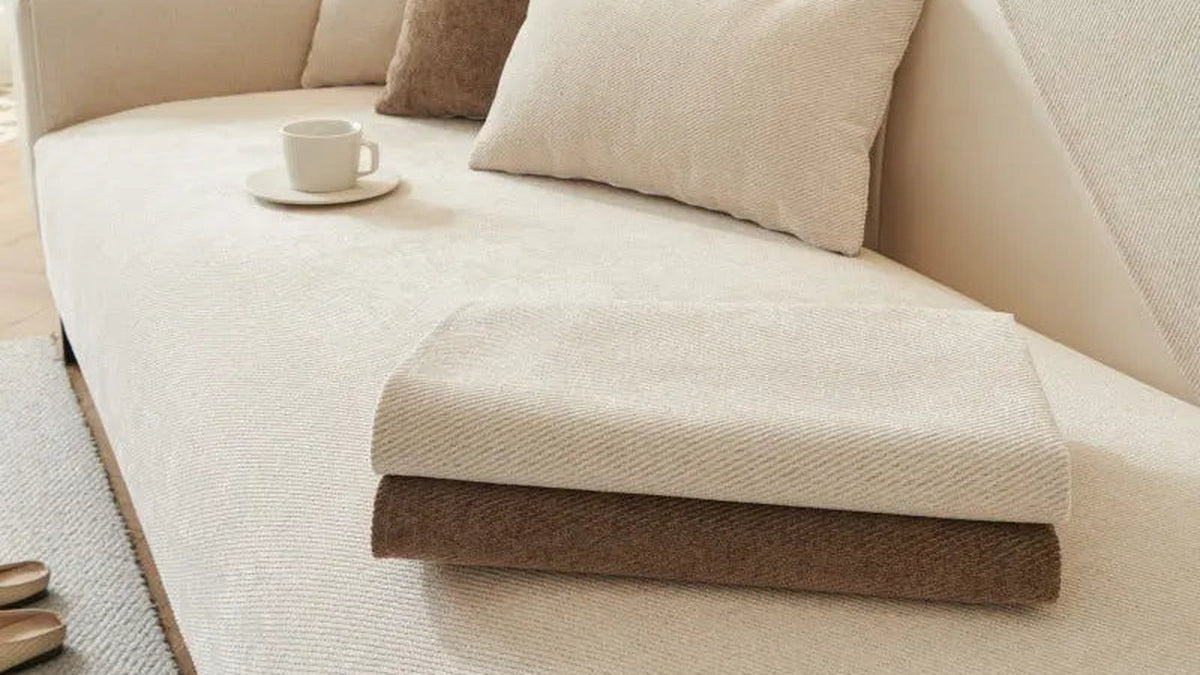
Spilled juice, muddy paws, and that one mystery stain can make a beautiful living room feel like a constant battle. If you have kids or pets, you need protection that works fast, cleans easily, and still fits your style.
Many “waterproof” covers rely on PFAS, chemicals you may not want where your family lounges every day. The good news is you can have safe performance and a polished look. In this guide, we will break down what to look for in a PFAS-free sofa cover and how a non-toxic couch cover can help block stains, shed crumbs, and stay cozy.
You will also discover smart features like pet hair resistant couch cover fabrics and a truly washable sofa cover design. Next, let’s start with what PFAS are and why PFAS-free matters for your home.
What PFAS Are (in plain English) and Why Some Families Avoid Them
If you have ever wondered why some sofa covers seem to “magically” repel juice, grease, and muddy paw prints, the answer is often a chemical finish. PFAS (short for per and polyfluoroalkyl substances) are a large group of chemicals that have been used for decades to help products resist water, oil, and stains. You may see them used in or on things like stain resistant textiles, some water repellent treatments, and other easy-clean household items.
The U.S. Environmental Protection Agency explains PFAS as a broad class of chemicals that can persist in the environment and in the human body, which is one reason they get nicknamed “forever chemicals.” Source: EPA: Basic information on PFAS
Why they are called “forever chemicals”
PFAS are often described this way because many of them break down very slowly. For families, that typically raises one practical question: if a finish is designed to last a long time on fabric, do we also want it in the spaces where kids sprawl, snacks happen, and pets nap?
There is no single right choice for every household, but many people decide to reduce indoor exposure where they can, especially on soft surfaces that get daily contact. In other words, choosing a non-toxic couch cover is often less about panic and more about preference and peace of mind.
Quick decision help: do you need to worry about PFAS in a sofa cover?
Consider leaning toward a PFAS-free sofa cover if any of these sound like your home:
- Your couch is the main hangout spot for kids, pets, and movie nights with snacks.
- You prefer simpler material choices, fewer added chemical finishes, and easy care you can control at home.
- You are already trying to reduce “extras” in the home like heavy fragrances or harsh cleaners.
If you want an easy starting point for browsing family-friendly options, you can look at fitted, washable styles here: Sofa and Couch Covers.
The reassuring part: PFAS-free can still be genuinely practical
Avoiding PFAS does not mean giving up on real-life protection. A PFAS-free approach typically relies on three down-to-earth factors:
-
Fabric choice (a physical barrier)
Tighter weaves and performance-style textiles can slow down spills and help keep crumbs and grit from working deep into the upholstery. -
Construction (how the cover fits and stays put)
A well-fitted cover protects better because it does not bunch up where spills collect or shift where pets jump up most. -
Washable barriers (protection you can refresh)
The most family-proof strategy is often simple: choose a washable sofa cover you can launder regularly, plus design details that help with everyday mess.
This is also where pet owners win: the right fabric and fit can double as a pet hair resistant couch cover, helping fur sit more on the surface so you can vacuum or lift it off faster.
Next, we will look at the most common PFAS-free ways to get water and stain protection that still feel comfortable and look polished, including fabric-first options and waterproof layers that do not rely on PFAS finishes.

PFAS-Free Ways to Get Water & Stain Protection (That Still Look Good)
If Section 1 helped you understand why some families choose to avoid “forever chemicals,” the next practical question is obvious: how do you actually protect a sofa from spills, sticky fingers, and paw prints without relying on a fluorinated finish?
The good news: a PFAS-free sofa cover (or a non-toxic couch cover system) can still deliver real-world water and stain defense. The key is choosing the right kind of protection, because not all “waterproof” is created the same, and the best option depends on how your home lives day to day.
Option 1: Tight-weave, performance-style fabrics (a physical barrier you can live with)
Instead of a chemical coating, tight weaves help by reducing the spaces liquids and crumbs can slip into. Think of it as protection by construction.
How to make this work at home (actionable):
- Choose a denser weave for high-traffic zones like seat cushions and arms. These areas take the most spills, skin oils, and snack dust.
- Treat washability as part of the protection plan. Even a great weave benefits from regular laundering because real life includes yogurt smears and muddy little footprints.
- For pet owners: a smoother, tighter surface often performs better as a pet hair resistant couch cover because fur sits on top instead of nesting into loops.
Best for: families who want a soft, sofa-like feel, easy daily cleanup, and a cover that looks elevated rather than “plasticky.”
Tradeoff: it is more water resistant than truly waterproof. Blot quickly, then wash.
Option 2: Waterproof barrier layers that do not rely on PFAS finishes (look for TPU or polyurethane)
If your priority is stopping liquid before it reaches the upholstery, look for covers built with a waterproof barrier layer, commonly TPU (thermoplastic polyurethane) or polyurethane. These materials are widely used in washable waterproof protectors precisely because they create a physical liquid barrier rather than depending on a PFAS-based stain repellent finish.
How to shop smart (actionable):
- Read the product details and confirm the water barrier is from a backing or inner layer (TPU or polyurethane), not a “stain resistant finish” with vague chemistry.
- Check the care instructions. Many barrier-layer designs are intended to be a washable sofa cover, but heat can shorten the life of waterproof backings, so look for guidance like cold wash and low heat or air dry.
- Pay attention to comfort: barrier layers vary. Some feel quiet and flexible; others can feel warmer or less breathable. Your goal is protection and a living-room feel your family actually enjoys.
Best for: frequent spills, potty-training phases, senior pets, or anyone who needs a stronger “liquid stops here” solution.
Tradeoff: barrier layers can reduce breathability compared to a weave-only option.
If waterproofing is at the top of your list, explore options designed for family use here: Waterproof Sofa Covers.
Option 3: Removable, washable “sacrificial layers” for high-traffic homes
Sometimes the most elegant solution is also the simplest: add a removable layer that takes the daily mess so your main cover or upholstery stays beautiful.
How to use this strategy (actionable):
- Place throws or extra covers where life happens most: the favorite seat, the snack corner, the dog’s nap spot.
- Keep a backup clean layer ready so you can swap in minutes before guests arrive.
- Color strategy matters: if you have heavy shedding, choose tones that blend with fur (warm taupe for tan dogs, charcoal for dark coats) so the sofa looks pulled together between washes.
Best for: frequent guests, homes that rotate between “movie night chaos” and “company-ready,” and families who want quick resets without overthinking it.
Tradeoff: throws can shift. If you crave a tailored look, pair this with a fitted base cover underneath.
Quick comparison: which PFAS-free approach fits your home?
Here’s a simple way to compare protection styles using the three factors families feel most: water resistance, breathability, and washability.
| PFAS-free approach | Water resistance | Breathability | Washability | Best fit for |
|---|---|---|---|---|
| Tight-weave fabric (physical barrier) | Medium | High | High | Everyday protection, softer feel, easy lint and fur pickup |
| TPU or polyurethane barrier layer (waterproof backing) | High | Medium to Low | High (follow care label) | Big spills, potty training, senior pets, stronger liquid defense |
| Removable “sacrificial layer” (throws, extra covers) | Medium (depends on material) | High | High | Fast swaps, guest-ready resets, targeted protection zones |
Match the solution to your real life (not the marketing)
If you are building a non-toxic couch cover setup that actually lasts, start with your biggest pain point:
- Messy toddlers and snackers: prioritize a truly washable sofa cover you can launder often, plus a backup for quick swaps.
- Heavy shedding pets: look for a pet hair resistant couch cover with a smoother weave and a fur-friendly color choice that hides daily fallout.
- Frequent guests and entertaining: choose a polished fitted cover for the base, then add a removable top layer you can pull off right before company arrives.
Next, we’ll make the decision even easier by getting specific about pet hair, mud, claws, and “mystery stains” and how fabric texture and color can work with your home instead of against it.
Pet Hair, Mud, and ‘Mystery Stains’: Choosing the Right Fabric and Color
Once you have decided you want a PFAS-free sofa cover and a truly non-toxic couch cover, the next fast decision is practical: what fabric and what color will make your real life look cleaner with less effort? Use the tips below to choose confidently, even if your household includes shedding pets, sticky fingers, and the occasional unidentifiable spot.
- For pet hair, pick a smoother weave that lets fur lift off quickly
If you want a pet hair resistant couch cover, the weave matters as much as the label.
- Choose: tight, smooth weaves where hair sits on top (so it can be vacuumed or lifted off in seconds).
- Avoid: loose knits, nubby loops, and very open textures that act like tiny hooks and trap fur.
Quick cleaning routine that matches how most pet owners actually clean:
- Vacuum with the direction of the weave first, then go against it to pull hair up (two passes, under 1 minute per cushion).
- For stubborn hair, use the rubber glove method: lightly dampen a clean rubber glove and swipe in one direction to gather fur into easy-to-pick clumps.
- Keep a lint tool in a nearby drawer for the arms and chaise where hair collects fastest.
This is also where a fitted, well-tailored cover helps: when fabric is taut, hair has fewer places to hide in folds.
- For mud and daily stains, choose medium tones and textured solids
Busy homes do not need “perfect white” pressure. If you are choosing a washable sofa cover to handle snack crumbs, paw prints, and daily life, color strategy is your secret weapon.
- Best for hiding everyday marks: medium tones (warm greige, sand, camel, soft charcoal, muted navy) and textured solids.
- Hardest to keep looking fresh: very light, flat fabrics (they show every smudge) and very dark, flat fabrics (they show lint, dust, and dried drool marks).
Why textured solids win: light texture breaks up visual contrast, so small spots blend in until wash day, without looking busy or dated. It is a simple way to keep an elegant, design-conscious look while still living comfortably.
- For claws and rough play, prioritize snag resistance and a cover that stays put
If your pets “dig” before they nap or your kids like to build cushion forts, durability and fit matter as much as washability.
- Look for: durable, snag-resistant materials and reinforced seams in high-stress zones (arms, front edge of cushions).
- Prioritize: fitted designs that do not shift. When a cover slides, pets catch a claw under a wrinkle and the fabric takes the hit.
If snags are your top concern, start here: Anti-Scratch Couch Covers. It is a smart next step for pet homes that want protection without a bulky, “temporary” look.
- For “mystery stains,” build a simple decision rule you can follow fast
When you do not know what the stain is (juice, chocolate, marker, muddy water), simplicity wins.
- Pick a cover you can remove quickly and wash on schedule. A non-toxic couch cover is only practical if you will actually use it the moment life happens.
- Choose colors that forgive: medium shades and heathered or subtly textured finishes.
- Keep a basic spot plan: blot first, rinse with cool water if needed, then wash. Avoid heat until the stain is gone.
- For style, refresh the room with small swaps, not a whole new cover
A PFAS-free sofa cover can be your “base layer” in a timeless neutral, then you can update the vibe without starting over.
- Rotate seasonal pillow covers (linen-look in summer, velvet-touch in winter).
- Add a throw in a contrasting tone for movie nights, then fold it away when guests come.
- This approach keeps your main cover working hard while your styling stays elevated and flexible.
Up next, we will make sure your cover is truly PFAS-free and not just marketed as “stain resistant.” In the next section, you will get a simple shopping checklist to avoid greenwashing and choose a cover that performs in real family life.

A Simple Checklist: How to Shop PFAS-Free (and avoid greenwashing)
By now, you know why many families prefer to skip “forever chemical” treatments and choose protection that feels safer for everyday lounging. The next step is shopping smart, because the words “waterproof” and “stain resistant” can mean very different things depending on how the product is made. Use this checklist to confidently choose a PFAS-free sofa cover that performs like real life requires.
1) Start with clear, specific language (not vague promises)
Look for direct statements such as:
- “PFAS-free”
- “No fluorinated finishes”
- “No fluorochemicals”
Be cautious with vague claims such as:
- “Stain resistant”
- “Eco-friendly”
- “Green”
- “Non-toxic” (if it is not backed by specifics)
Why this matters: The FTC’s guidance on environmental marketing (the Green Guides) explains that claims should be clear, specific, and not misleading. In plain terms, if a label is broad and unspecific, it is on you to ask for details. If a brand cannot explain what makes the fabric resist water or stains, treat it as a red flag.
External resource: FTC Green Guides (environmental marketing claims)
Quick “ask how” script you can copy:
- “Is this cover PFAS-free, and are there any fluorinated stain or water-repellent finishes used anywhere in the product?”
2) Confirm what creates the water barrier (weave vs coating vs backing)
A truly useful non-toxic couch cover should tell you how it blocks moisture. Ask (or look in product details) for one of these explanations:
- Tight weave / performance-style fabric: A physical barrier where dense fibers help slow absorption. Often feels more like normal upholstery and tends to breathe better.
- Barrier layer (often listed as TPU or polyurethane): A built-in waterproof backing that prevents liquids from reaching the sofa. This can be a great PFAS-free sofa cover approach when you need real spill protection, just make sure it is described clearly.
Helpful terminology from the EPA can guide your questions around PFAS and fluorinated finishes, so you are not stuck decoding marketing language.
External resource: EPA: Basic information on PFAS
3) Use the “3-question test” before you buy
This is the fastest way to avoid buying something that looks great online but disappoints at home:
-
What creates the water barrier?
Is it the fabric structure (weave) or an added layer (like TPU or polyurethane)? If the answer is “a special treatment” with no detail, press for specifics. -
Is it actually washable, and how?
A family-friendly cover should read like it was designed for real homes: machine washable, gentle cycle, cold wash guidance, and what to do about drying. -
Will it change the feel of the sofa?
Waterproof layers vary. Ask if it feels crinkly, sticky, noisy, or hot, especially if you love a soft, cozy living room vibe. The goal is protection that still feels inviting.
This is also where you can sneak in one more practical question for pet owners: “Does pet hair brush off easily, or does it cling?” If shedding is your daily battle, you want a pet hair resistant couch cover surface that lets fur lift off quickly rather than weave in.
4) Look for care details that match busy life (not “hand wash only” reality)
A cover can claim performance, but care instructions tell the truth.
Green-light care details for a washable sofa cover:
- Machine washable
- Cold wash or cool wash guidance (gentler on fibers and helps prevent shrinking)
- Durability notes (how the cover holds up after repeated washes)
- Clear stain steps (blot, rinse cool, wash)
Yellow flags:
- “Spot clean only” for a cover marketed to homes with kids and pets
- No instructions on drying, shrinkage, or long-term upkeep
If your goal is a cover you can confidently use after spaghetti night, muddy paws, or a tipped sippy cup, washability is not a bonus feature. It is the whole system.
5) Prioritize fit for better protection and a more polished look
Even the best materials cannot help much if the cover slides, bunches, or leaves high-contact areas exposed. A good fit:
- Protects the seat, back, and arms more consistently
- Reduces friction and shifting (especially helpful with pets jumping up and down)
- Looks tailored, elevated, and intentional instead of “temporary”
Pro tip for families: high-touch zones like armrests and seat cushions take the most wear. If you want a more custom, design-conscious setup, consider adding targeted pieces that handle the messiest areas first.
Internal link: Armrest and Cushion Covers
6) Quick “add to cart” confidence check
Before you checkout, make sure you can answer yes to these:
- I can point to a clear PFAS-free statement or “no fluorinated finishes” wording.
- I understand whether protection comes from a weave, a backing, or both.
- I know exactly how to wash it and I am comfortable doing that weekly or monthly.
- The feel and sound will work for our family movie nights and daily lounging.
- The fit is designed to stay put and look polished.
With your shopping checklist handled, you are ready for the easiest part: keeping everything looking fresh. Next, we will walk through a simple care routine that fits into real schedules so your sofa stays clean in about 10 minutes a day.
Care Routine for Busy Homes: Keep It Clean in 10 Minutes a Day
A PFAS-free sofa cover and a non-toxic couch cover do their best work when you pair them with a simple, repeatable routine. The goal is not perfection. It is keeping everyday mess from settling in so your living room stays inviting, comfortable, and photo ready even on the busiest weeks.
Textile care labels and cleaning associations generally agree on the basics: remove dry debris first, use gentle cleaners, and avoid heat until you are sure a stain is gone. Here is a realistic system that fits into family life.
The 10-minute system (built for kids, pets, and real schedules)
Daily (2 minutes): quick reset
- Do one fast pass with a lint roller or handheld vacuum over the seat cushions and arms, where oils, crumbs, and fur collect.
- If you have a pet hair resistant couch cover fabric, you will notice hair tends to sit on top rather than weave in. That means a 2-minute pass often replaces a full deep clean.
Tip for pet homes: keep a lint roller in a basket near the sofa so it becomes a quick habit before guests arrive or after bedtime stories.
Weekly (5 minutes): shake, check, and spot-clean
- Shake out or lightly beat the cover outside (or over a tub) to release crumbs and fine hair.
- Check high-contact zones: armrests, headrest area, front edge of seat cushions, and where pets curl up.
- Spot-clean with mild soap and cool water. Dab, do not scrub. Scrubbing can roughen fibers and make the spot look larger over time.
This is where a washable sofa cover really earns its keep: you can spot-clean to stretch time between washes, then do a full refresh when you need it.
Monthly: wash day, but make it easy
- Machine wash on gentle only as directed on the care label. In many households, monthly is the sweet spot for a full wash, with extra washes during muddy-season or allergy season.
- Air dry when possible to protect the fit, elasticity, and finish. If you use a dryer, keep it low and follow the label guidance.
- Rotate and flip cushions for even wear, especially if your dog has a favorite corner or the kids always pick the same seat.
This cadence supports the promise of a PFAS-free sofa cover: performance through smart construction and maintenance, not chemical shortcuts.
Accident protocol: what to do in the first 3 minutes
When spills happen, speed matters more than products.
- Blot first with a clean towel or paper towel. Press gently to lift liquid out.
- Rinse with cool water (or dab with a cool damp cloth) to dilute what is left.
- Wash the cover as soon as you can if the stain is noticeable.
- Avoid heat until the stain is gone. Heat can set many common stains (juice, coffee, pet accidents), making them harder to remove later.
If you are choosing between “wipe-only” claims and a truly washable setup, this is the deciding moment. A non-toxic couch cover that you can remove and launder gives you a calmer, more reliable plan when life gets messy.
Example schedule for a family with pets (save this)
- Mon to Fri: 2-minute vacuum pass after dinner or after the last dog walk
- Saturday: 5-minute shake-out + spot-check armrests and the pet spot
- First weekend of the month: gentle wash, air dry, rotate cushions
Quick add-on for heavy shedders
If you want your main cover to stay cleaner longer, layer a throw where your pet lounges most. It is easier to lift and shake daily, and it protects the “hot spot” without changing the whole look of your room. See Pet Hair Resistant Throws here: https://frenchcovers.com/collections/pet-hair-resistant-throws
Next, we will connect this routine to comfort and day-to-day living by answering the question many families ask right after shopping: how often should you wash your cover, and will protective materials feel hot, noisy, or stiff on the sofa?

So, there you have it: protecting your sofa doesn't have to mean choosing between "forever chemicals" and a beautiful, functional living room. By opting for a PFAS-free sofa cover, you can create a safe, stylish sanctuary that stands up to real life—from muddy paws to mystery stains. Whether you prioritize a non-toxic couch cover with a tight weave, a waterproof barrier, or a smart layering strategy, the right fabric and a simple care routine make all the difference. You deserve peace of mind and a polished space that works as hard as you do.
Want an easier cleanup routine this week? Explore FrenchCovers’ washable, family-friendly options and choose a pet hair resistant couch cover that fits your sofa in minutes—before the next spill happens.
After all, the best kind of protection lets you relax and enjoy your home, not just defend it.
PFAS-Free Sofa Cover FAQs
Choosing a sofa cover should feel simple: protect your home from spills, pet hair, and daily life while keeping your space beautiful and safe. Below are quick answers pulled from our guide to PFAS-free sofa cover options, including how non-toxic couch cover materials can still deliver waterproof, family-friendly performance. For the full rundown, revisit the article sections on materials, pet hair, and care.
Q: What does “PFAS-free” mean for a sofa cover?
A: A PFAS-free sofa cover is made without added “forever chemicals” sometimes used for stain and water resistance, which matters for families and pets who are in close contact with upholstery every day. Our article explains why many shoppers now prioritize a non-toxic couch cover for safer, more mindful protection. See “What PFAS-Free Really Means” in the guide.
Q: Can a couch cover be waterproof without PFAS?
A: Yes. The article highlights PFAS-free waterproofing alternatives like smart fabric construction and barrier layers, so you can get spill protection without relying on PFAS chemistry. Look for a PFAS-free sofa cover that is also a washable sofa cover so you can handle messes quickly. Review “Safe, Stylish Waterproofing Alternatives.”
Q: What fabric is best for pet hair: smooth or textured?
A: As we note in the pet hair section, smoother, tightly woven fabrics tend to release fur more easily, while textured weaves can hold onto it. If shedding is a daily battle, choose a pet hair resistant couch cover with a sleek finish and pair it with a quick brush or vacuum routine. See “Stains and Pet Hair: What to Look For.”
Q: How often should I wash a sofa cover in a home with kids and pets?
A: The care tips in the article recommend washing more frequently when spills, allergens, or pet hair build up, often weekly or every other week for busy households. Choosing a washable sofa cover makes this realistic without stress, and a non-toxic couch cover is especially comforting for sensitive skin. See “Cleaning and Care for Real Life.”
Q: Do waterproof couch covers feel hot or noisy?
A: They can, but our article explains that newer PFAS-free designs often use softer, quieter constructions that feel more like upholstery than plastic. For comfort, look for a PFAS-free sofa cover with breathable top fabrics and a flexible waterproof layer, then confirm care and feel in the “Comfort and Finish” section.