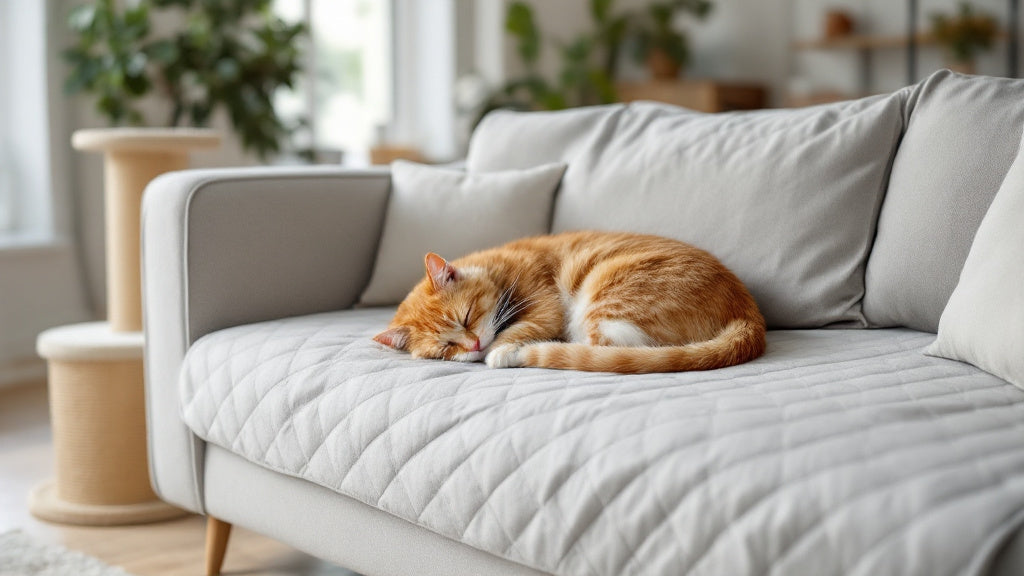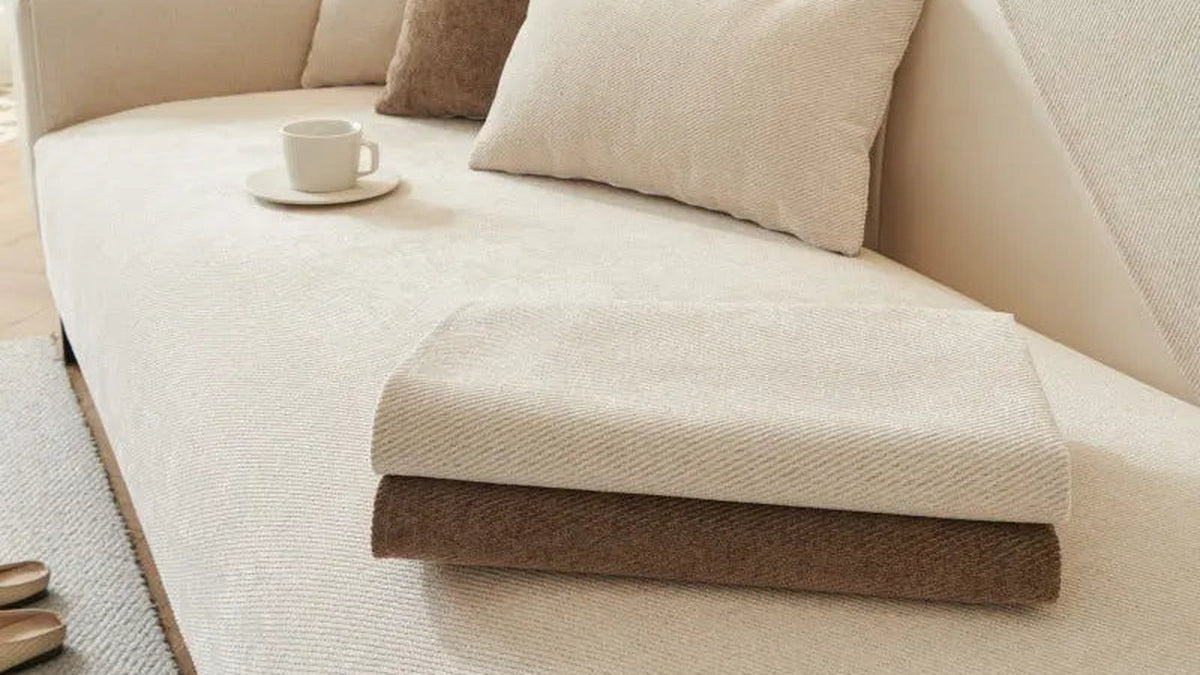
One spilled juice box or muddy paw print can turn a beautiful sofa into a daily stress point. If you are juggling kids, pets, guests, or clients, you need protection that feels safe and looks like it belongs in your space.
Many couch protectors promise “clean,” but some can include chemicals you would rather not bring home. The good news is that PFAS-free sofa covers and non toxic couch covers can be soft, durable, and design-forward. You can find options that fit snugly, elevate your décor, and hold up to real life.
In this guide, you will learn how to choose an eco friendly sofa cover that is also a washable sofa cover, so cleanups stay simple and your sofa stays stunning.
First, let’s break down what PFAS-free really means and why it matters for your home.
What PFAS-Free Really Means (and Why It Matters for Sofa Covers)
When you see stain resistant or water repellent on a couch protector, it often means one thing: a surface finish was added to the fabric to make spills bead up instead of soaking in. Many of those finishes have historically used PFAS, a large family of man made chemicals valued for their oil, water, and stain resistance.
PFAS are sometimes called “forever chemicals” because many PFAS do not break down easily in the environment. Consumer guidance from the U.S. EPA: PFAS explained, the ECHA: PFAS information, and the OECD PFAS portal all point to the same big idea for shoppers: PFAS show up across many everyday product categories, so reducing unnecessary sources at home can be a practical, family focused choice.
For busy homes, the appeal is obvious: who would not want a sofa protector that laughs off juice, coffee, and muddy paws? The challenge is that shoppers often feel stuck in a tradeoff:
- High performance finishes: Great repellency at first, but may rely on fluorinated chemistry and can wear down over time with washing and abrasion.
- Simpler materials and constructions: Fewer chemical finishes, but they require smarter fabric choices and faster spill response.
The good news: choosing PFAS-free sofa covers does not mean choosing stress. It just means you focus on fabric and construction as your first line of defense, not a chemical coating. Many non toxic couch covers can still be easy-care if you choose the right weave or knit, the right color, and a cover you can wash regularly.
PFAS-Free vs PFC-Free vs Fluorine-Free: Label Words That Matter
Not all “clean” claims mean the same thing. Here is the plain-English decoding that helps you compare options confidently:
- “PFAS-free”: The strongest, clearest claim. It indicates the product is made without PFAS. Ideally, the seller can explain how they verify this.
- “PFC-free”: Often used to mean free of perfluorinated chemicals, but it can be inconsistently applied. Some brands use it as shorthand for older chemistries, not necessarily the whole PFAS family.
- “Fluorine-free”: Helpful because many PFAS are fluorinated. But the wording can still be vague unless the seller specifies no fluorinated stain repellents were used.
- Vague green language (“eco,” “natural,” “safe”): Not enough on its own. It can describe many things, including packaging, without confirming anything about stain repellent treatments.
If your goal is an eco friendly sofa cover, look for a straightforward PFAS-free statement plus clear fabric details. If you are comparing options for different sofa shapes and fit styles, browse a curated range of Sofa and Couch Covers and use the product descriptions as your checklist: composition, care method, and whether any finish is used.
Setting Realistic Expectations: PFAS-Free Can Still Be Easy-Care (Just Different)
A PFAS-free finish is not a magic shield that makes every spill disappear. Even the best washable sofa cover can stain if you let a dark liquid sit, or if you rub it in aggressively. What you are aiming for is a cover that supports real life in a healthier, simpler way:
- Tight weaves and performance knits can slow absorption and make blotting easier, even without a fluorinated coating.
- Washability matters more than “never stains.” A cover you can remove and launder quickly often beats a cover that repels at first but is difficult to maintain.
- Color and texture choices can reduce visible wear. Heathered or mid-tone fabrics help hide small marks between washes.
Think of it like this: PFAS-free is not “nothing ever happens.” It is “when life happens, you can clean it without panic.”
Questions to ask a seller
- Is this cover explicitly PFAS-free, or just described as “stain resistant”?
- Is the finish fluorine-free (no fluorinated stain repellent treatment)?
- What is the fabric composition (cotton, polyester, blend) and is it a tight weave or knit?
- Any third-party testing or documentation behind the PFAS-free claim?
- Is it truly machine washable, and what care steps protect fit and elasticity?
Now that you know what PFAS-free really means and how to spot unclear claims, the next step is choosing materials that actually work for kids, pets, guests, and everyday messes. Next up: the best PFAS-free fabrics and constructions for real life performance.

The Best PFAS-Free Materials for Real Life (Kids, Pets, and Guests)
After you understand what “PFAS-free” really means, the next step is practical: choosing a fabric that can handle your home on its busiest day. The best PFAS-free sofa covers and non toxic couch covers are not just about what they do not contain. They are about smart material choices that clean up well, fit beautifully, and feel good to live with.
Below is a real-life comparison of the most common PFAS-free friendly cover materials, plus how they tend to behave in everyday mess moments. For care guidance, always cross-check the manufacturer care label, and follow general textile cleaning best practices like blotting fast, avoiding high heat, and using gentle cycles, as recommended by trusted cleaning educators such as Good Housekeeping and standard care-label instructions.
1) Cotton and Cotton Blends: Soft, Breathable, Family-Cozy
Cotton is the classic “home comfort” fabric. It is breathable, pleasant against skin, and looks natural in relaxed or elevated spaces. As an eco friendly sofa cover choice, cotton also appeals to shoppers who want a more traditional fiber feel.
Best for
- Families who want softness for lounging, naps, and movie nights
- Design lovers who like a matte, timeless texture
- Homes where you can respond quickly to spills
What to expect (real life)
- Juice spill: Cotton usually absorbs quickly. That means you should blot right away. If you catch it fast, many spills lift well with mild detergent and cool water.
- Muddy paws: Dirt can cling to the fibers. Let mud dry, then brush or vacuum before washing to avoid grinding it in.
- Cat scratching attempts: Cotton weaves can snag if the weave is looser. A tighter weave helps, but cotton is not always the top pick for claws.
Quick tip: If you love cotton but need easier care, look for cotton blends. A touch of synthetic fiber can improve wrinkle resistance and speed up drying without relying on a fluorinated finish.
2) Polyester and Performance Knits (Without Fluorinated Finishes): Durable, Low-Fuss, Great Value
Polyester is often the workhorse of washable sofa cover shopping. It tends to resist wrinkles, hold shape, and handle frequent washing well. Performance knits can also provide a sleek, tailored look that feels more “upholstery-like” than a loose slipcover.
Best for
- Busy households that wash often
- Small businesses and coworking spaces with high daily traffic
- Anyone who wants a neat look with less ironing or reshaping
What to expect (real life)
- Juice spill: Many knits encourage beading and slower soaking even without a PFAS coating, giving you a bit more time to blot. Always confirm the cover is truly PFAS-free and not relying on a stain-repellent treatment.
- Muddy paws: Dirt often sits more on the surface, especially on tight knits. Vacuuming is usually easier before laundering.
- Cat scratching attempts: Knits vary. A dense, tight knit can reduce snagging, but a looser knit may catch.
What to verify before buying: Polyester itself is not PFAS. The question is whether the fabric was treated with a fluorinated stain or water-repellent finish. Look for clear “PFAS-free,” “PFC-free,” or “fluorine-free” statements, not vague “stain resistant” wording without details.
3) Microfiber: Easy Cleaning Potential, but Finish-Dependent
Microfiber can be wonderfully practical because the fine fibers can help pick up dust and crumbs, and many microfiber covers feel smooth and refined. But microfiber is a category where finishing treatments matter, so it is important to confirm the brand’s PFAS-free claim.
Best for
- Homes that want quick crumb pickup and easy weekly maintenance
- Sofas that see a lot of snacks and casual use
- A smoother, more polished look without heavy texture
What to expect (real life)
- Juice spill: Often wipes up well if addressed quickly. Blot rather than rub so you do not push liquid deeper.
- Muddy paws: Can clean up nicely once dry, but heavy soil still benefits from vacuuming first.
- Cat scratching attempts: Smooth microfiber can sometimes deter snagging compared to looser weaves, but determined scratching can still roughen the surface.
Shopping note: If a microfiber product leans hard on “advanced stain protection,” ask what that protection is. For non toxic couch covers, clarity is the comfort.
4) Tight Weaves and Stretch Fabrics: The “Fit Advantage” That Keeps Covers Cleaner
Material choice is only half the story. The weave and the fit are what keep a cover working day after day.
A tight weave or tight knit helps because it:
- Reduces tiny gaps where crumbs and grit settle
- Makes it harder for claws to catch individual threads
- Helps spills stay more on the surface long enough for blotting
A stretch fabric helps because it:
- Creates tension that reduces shifting and bunching
- Minimizes friction points that lead to wear
- Keeps the cover looking tailored and intentional, not like a throw
If you have ever had a cover slide around and collect debris in the folds, this is why. A snug fit is not just prettier, it is cleaner.
5) If You Have Pets: Prioritize Snag Resistance and Easy Hair Release
For pet households, your “best” fabric is the one that makes daily maintenance realistic.
Look for
- Tight knit or tight weave to reduce snagging
- Smoother surfaces that release hair when you shake or vacuum
- Secure fit so pets cannot easily burrow under and pull it out of place
How fabrics tend to handle pet hair
- Tight knits and smoother polyester blends: hair often vacuums off faster
- Looser weaves and high-texture fabrics: hair can tangle and take longer to remove
If your main challenge is claws and snagging, it can help to focus on purpose-built durability. See our Anti-Scratch Couch Covers for options designed with pet life in mind.
Choosing PFAS-free sofa covers is about picking materials that match your home’s rhythm: softness for everyday comfort, durability for heavy use, and the right weave for easier cleanup. Next, we will make sure that great fabric choice actually performs by walking through a durability checklist for fit, construction details, and wash routines so your cover stays snug, smooth, and truly washable.
Durability Checklist: Fit, Construction, and Washability (What to Check Before You Buy)
By now, you know why PFAS-free sofa covers and non toxic couch covers matter. Next comes the part that makes a cover truly livable in a busy home or shared space: it has to fit well, hold up to daily use, and wash beautifully without losing its shape. Use the checklist below like a quick buyer framework for any eco friendly sofa cover you are considering.
1) Fit First: Measure for a Snug, Calm-Looking Finish
A great cover should look tailored, not temporary. The quickest way to get that “designed” look is accurate measurements.
Measure these three areas (minimum):
- Seat width: Left to right across the seating area (not including arms unless the sizing guide says to).
- Back height: From the seat cushion seam up to the top of the back.
- Arm depth: From the front of the arm to where it meets the back, plus the drop down the side if the cover wraps.
Also note your sofa type:
- Sectional: Confirm whether you need separate pieces per section (often the easiest way to prevent shifting).
- Recliner: Look for designs that accommodate moving parts and do not pull tight when reclined.
- Loose cushions: A cover with separate cushion pieces typically looks neater and stays put better.
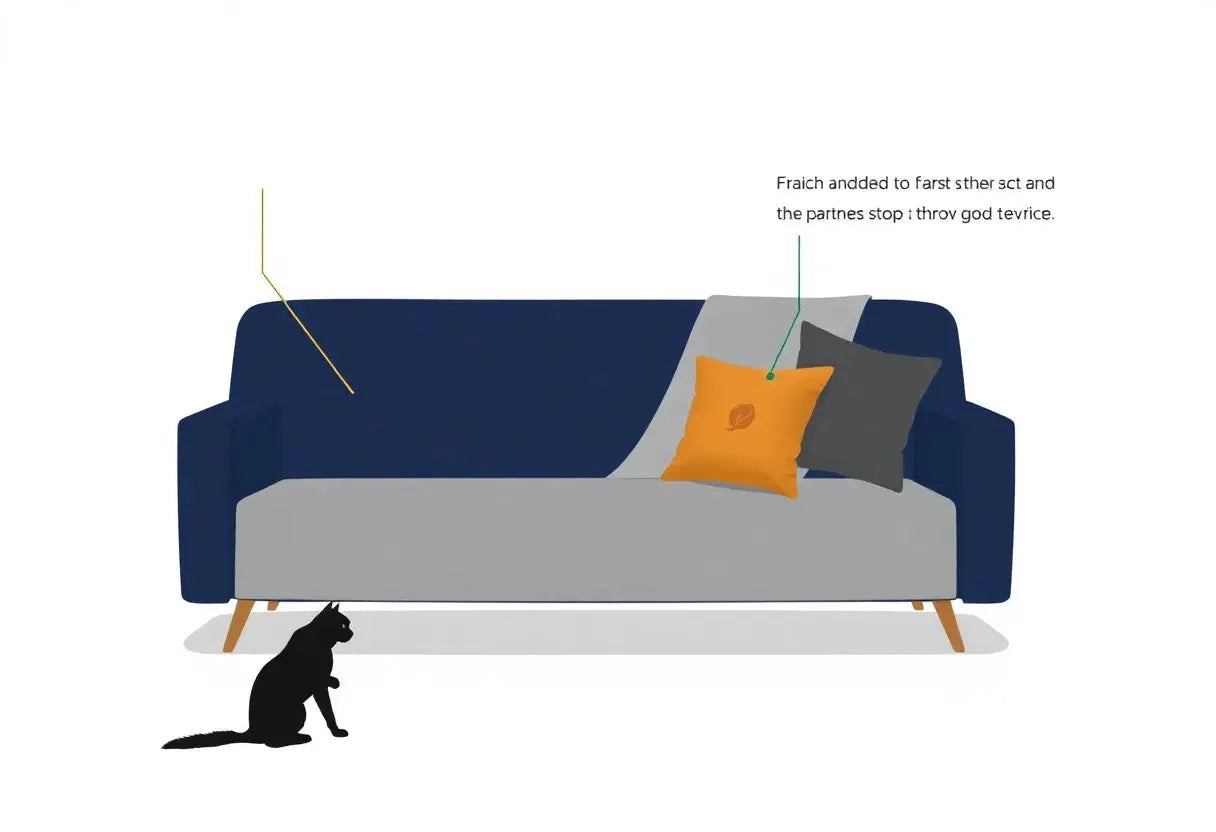
Measurement graphic suggestion (for the blog):
A simple line illustration showing a sofa with arrows labeled A: Seat Width, B: Back Height, C: Arm Depth, plus a small callout: “Sectional? Measure each section separately.”
2) Construction Details That Add Real-Life Longevity
Durability is not only about fabric. It is also about how the cover is built. The right construction keeps your washable sofa cover from sagging, sliding, or splitting at stress points.
Check for these durability signals:
- Reinforced seams: Especially along corners, arms, and cushion edges where kids climb and pets launch.
- Elastic hems: Helps the cover hug the frame and reduces that constant “re-tucking” routine.
- Separate cushion pieces: Less bunching, cleaner lines, and easier washing when only one cushion gets messy.
- Anti-slip grips or backing: Helps stop the slow slide that happens with smooth leather or slick upholstery.
Quick reality test: If your household includes jumping dogs, wiggly toddlers, or frequent guests, prioritize separate pieces + strong hems + grip over a single draped layer.
3) Washability Rules: Keep It Clean Without Wrecking the Stretch
PFAS-free sofa covers and non toxic couch covers can still be easy-care, but wash habits matter. General fabric-care guidance from major laundry education sources like Whirlpool and Tide consistently emphasizes using gentler cycles and cooler water when you want to protect fibers and elasticity. Always default to the brand care label first, then use these best-practice rules.
Wash cycle cheat sheet (save this):
- Cycle: Gentle or delicate
- Water: Cold
- Detergent: Mild, measured (more soap is not cleaner, it is harder to rinse out)
- Skip: Harsh softeners and aggressive boosters unless the care label recommends them
- Drying: Air dry when possible to help maintain elasticity and shape
- If you must use a dryer: Choose low heat and remove promptly to reduce wear
This is especially important for stretch and performance knits, which can lose recovery when overheated. If your home is spill-heavy and you want added liquid protection, consider options designed for that use case, such as Waterproof Sofa Covers: https://frenchcovers.com/collections/waterproof-sofa-covers
4) Daily Maintenance Shortcuts for Busy Homes (Under 5 Minutes)
A durable cover is one you can maintain without it becoming a project. A few tiny habits keep your sofa looking “company ready,” even when life is not.
Fast routine that actually works:
- Quick vacuum pass (30 to 60 seconds): Hit seat seams and where arms meet cushions, since crumbs collect there.
- Lint roller for pet hair (1 minute): Works especially well on tight knits that release hair easily.
-
Spot-clean in under 5 minutes:
- Blot spills quickly (do not rub)
- Use a small amount of mild soap solution if the care label allows
- Rinse with a damp cloth and blot dry
These small steps make an eco friendly sofa cover feel effortless, and they help your cover look smooth and intentional between washes.
Quick recap: Your “Buy With Confidence” Checklist
- Measure seat width, back height, arm depth, plus sofa type (sectional, recliner, loose cushions).
- Look for reinforced seams, elastic hems, separate cushion pieces, and anti-slip grips.
- Follow cold, gentle washing and lower-heat drying, guided by the care label and mainstream laundry-care best practices.
- Use vacuum, lint roll, and quick spot-cleaning to stretch time between washes.
Next, we will make sure all that practical protection still looks beautiful in your space, with color and texture choices that feel elevated, not utilitarian.

Style Without the Stress: Colors, Textures, and “French-Chic” Upgrades That Still Feel Family-Friendly
Once you have narrowed down safer materials and practical care, style is the fun part. The best PFAS-free sofa covers and non toxic couch covers should not force you to choose between “looks nice” and “can survive real life.” With a few design-smart choices, your cover can act like a refresh button for the whole room, while still functioning as an eco friendly sofa cover you can actually live with.
1) Choose a palette that hides life (because life happens)
Design editors often return to a simple truth: the most livable rooms balance beauty with visual forgiveness. In trend and decorating guidance you will see from outlets like Architectural Digest and House Beautiful, mid-tone neutrals and layered texture are repeatedly recommended because they feel elevated, but do not spotlight every speck.
Use these family and pet friendly color rules:
-
Go mid-tone instead of very light or very dark.
Mid-tones disguise crumbs, lint, and everyday rub marks better than bright white or inky black. -
Pick heathered or textured fabric when possible.
A slightly mixed yarn look hides minor messes between washes and adds a cozy, tailored finish. -
Choose small-scale patterns over big, bold prints.
Tiny checks, subtle stripes, or micro patterns help camouflage pet hair and little stains without visually shrinking the room.
Simple, real-world examples:
- Light beige in a pet home: Beautiful, airy, and “French-chic,” but it can spotlight paw prints and fur. If you love beige, choose a warmer mid-beige with texture and plan on a more frequent wash schedule.
- Charcoal in a high-traffic office or media room: A strong performer. Charcoal reads professional, hides scuffs, and feels grounded. It also pairs easily with brand colors or modern décor.
- Soft taupe for vintage sofas: Taupe is gentle, elegant, and forgiving. It complements aged wood, antique rugs, and classic trim without competing with them.
2) Texture is your secret weapon for “French-chic” without fuss
A cover does not have to be plain to be practical. Texture is what makes a washable sofa cover feel styled instead of temporary.
Try these upgrades that still clean easily:
- Matte, woven-like textures for a relaxed, linen-inspired look (without the high-wrinkle reality in a busy home).
- Soft knits with structure for comfort, especially in family rooms where people actually nap and snack.
- Subtle ribbing or micro quilting to add dimension and hide minor wear.
Tip: If your space already has strong patterns (busy rug, bold art), keep the sofa cover solid but textured. If the room is simple, add gentle pattern to the cover and keep pillows more neutral.
3) Seasonal refresh ideas (swap the look, keep the sofa)
One of the most budget-friendly design moves is treating your couch cover as a “base layer,” then rotating accents. You keep the same fitted cover for protection, then change the mood with small items.
A simple seasonal plan:
- Spring and summer: lighter mid-tones, crisp texture, breezy throws
- Fall: warm taupe, caramel, muted olive accents
- Winter: deeper neutrals like charcoal or espresso with cozy knits
To make this effortless, keep your base cover in a versatile neutral and rotate washable accents. Start with Decorative Pillow Covers so you can refresh color and pattern quickly, without redoing the whole sofa setup.
4) Premium or vintage sofas: protect the upholstery without damaging it
If you are covering a premium piece or a vintage sofa you want to preserve, style and protection need a gentler touch.
Look for:
- Smooth, non-abrasive fabrics that will not rough up delicate original upholstery over time.
- A secure, tailored fit so the cover does not shift and rub in the same spots (rubbing is what can wear finishes down).
- Separate cushion coverage when possible, which helps maintain crisp lines and prevents bunching.
Design note: Vintage silhouettes often look best in quiet solids (taupe, stone, soft gray) with elegant texture. Then add interest with pillows, a throw, or one statement chair.
5) Offices and coworking spaces: tailored neutrals that clean fast
In shared spaces, the “family” is your team and your clients. You want a look that stays consistent day to day and cleans up quickly between meetings.
A smart formula:
- Neutral, tailored tones: charcoal, medium gray, greige, navy-adjacent neutrals
- Minimal texture, maximum polish: clean lines read professional on camera and in person
- Easy maintenance as a priority: choose a washable sofa cover you can launder routinely without special handling
Practical tip: Standardize one or two cover colors across the space. It makes replacements and future touch-ups simple, and it supports consistent branding.
With color and texture chosen, the final step is making sure your beautiful pick is also truly livable: the right claims, the right care limits, the right fit, and the right performance for pets and spills. Next, we will walk through 7 quick questions to ask before choosing PFAS-free sofa covers, so you can buy with confidence and avoid guesswork.
Quick Buying Guide: 7 Questions to Ask Before Choosing a PFAS-Free Sofa Cover
You have already done the smart part: looking for PFAS-free sofa covers and non toxic couch covers that protect your home without adding unnecessary chemicals. Now comes the practical part: choosing a cover that fits well, cleans easily, and still looks beautiful in your space.
Use these seven questions as a quick, confidence-building checklist before you click Buy.
1) Is the cover explicitly PFAS-free or fluorine-free (not just “eco”)?
Many listings use broad words like “eco friendly” or “green,” but those do not automatically mean PFAS-free.
What to look for in the product description:
- “PFAS-free,” “PFC-free,” or “fluorine-free” stated clearly
- A statement that no fluorinated stain repellents or finishes are used
- Clear material details, not just marketing claims
If you are comparing two options and only one is specific about being fluorine-free, that is usually the safer bet for a truly eco friendly sofa cover.
2) What is the fabric composition and the weave or knit type?
Two covers can both be “polyester” or “cotton,” yet perform totally differently depending on construction.
Quick translation for real life:
- Tight knit or tight weave: usually better for durability, fewer snags, and easier crumb and hair cleanup
- Looser weaves: often more textured and drapey, but can catch claws or trap debris more easily
For busy homes, a tight knit often feels like the sweet spot: comfortable, smoother-looking, and easier to maintain day to day.
3) Is it machine washable, and what are the care limits (heat, dryer, ironing)?
A washable sofa cover is only truly family-friendly if the care instructions match your routine. Before buying, scan for:
- Machine wash cold or warm (cold is gentler on stretch and color)
- Gentle cycle recommended
- Dryer guidance (low heat or air dry is typically safest)
- Notes about ironing (many stretch knits should not be ironed)
If your household does weekly laundry loads and frequent cleanups, choose a cover you can wash without special handling. The best cover is the one you will actually keep clean.
4) Does it come in separate pieces (seat, back, cushions) for a secure fit?
Fit is not just about measurements. It is about how the cover stays put during movie nights, nap time, and dog zoomies.
Separate pieces often help with:
- Less shifting and bunching
- A more tailored, “real upholstery” look
- Easier washing if only one cushion takes the hit
If you have pets that jump up and circle before settling, a more secure, piece-by-piece fit can reduce daily re-tucking.
5) How does it handle pets: snag resistance, hair release, grip?
Pet life is a special kind of stress test. When evaluating PFAS-free sofa covers, think in three categories:
- Snag resistance: tight knits are often harder for claws to catch
- Hair release: smoother surfaces tend to vacuum faster than heavily textured ones
- Grip: elastic edges, anti-slip features, or a snug fit helps reduce sliding
If pet durability is your top concern, it can help to browse purpose-built options like Anti-Scratch Couch Covers: https://frenchcovers.com/collections/anti-scratch-couch-covers
6) What is the return or exchange policy if sizing is off?
Even careful measuring cannot predict every sofa shape, especially with deep seats, tall backs, or unique arms.
Before you commit, check:
- How many days you have to return or exchange
- Whether opened or tried-on covers are eligible
- Who pays return shipping
- Whether you can exchange for a different size or configuration
A flexible policy lowers the risk and makes it easier to find that smooth, elegant fit you want.
7) What colors and textures suit your room and your cleaning reality?
This is where design meets daily life. The most beautiful cover is the one that still looks good between washes.
Easy wins for real homes:
- Mid-tones (taupe, greige, denim blues, charcoal): forgiving with crumbs, lint, and small marks
- Heathered or subtly textured fabrics: help camouflage everyday wear
- Very light solids: stunning, but they show more, so plan for more frequent washing
If you are furnishing a client-facing space like a studio, waiting room, or coworking lounge, consider neutrals that look tailored and consistent even with heavy use.
Mini decision tree (quick examples)
Use this simple “if this, then that” guide when you are torn between options:
-
Pet home + frequent spills
Prioritize: washable sofa cover + tight knit or weave + snug fit + darker mid-tone color -
Design refresh, less mess
Prioritize: drape + texture + wider color range + a tailored, separate-piece look -
Kids, snacks, and guests all week
Prioritize: easy care limits (cold wash, low heat) + durable construction + a shade that hides life between laundry days
These questions help you narrow to a cover that is truly PFAS-free and genuinely livable. Next, we will pull it all together with a simple wrap-up and the most common buyer questions so you can choose confidently and protect your sofa for the long run.

Choosing a PFAS-free sofa cover is about more than just avoiding harsh chemicals. It’s a smart, stylish choice that protects your family and your furniture with materials you can trust. By focusing on tight weaves, durable construction, and easy washability, you can find a non toxic couch cover that stands up to real life while elevating your space. Remember, the right eco friendly sofa cover blends safety, style, and practicality seamlessly.
Want a cleaner-looking sofa in minutes without harsh finishes? Explore FrenchCovers’ easy-to-wash options today and upgrade your living room before the next spill. Your home deserves protection that feels as good as it looks.
Frequently Asked Questions: Choosing PFAS-Free Sofa Covers with Confidence
Shopping for a couch protector should feel simple, safe, and stylish. Below are quick answers based on the article’s key guidance on materials, fit, washability, and design, so you can choose PFAS-free sofa covers and non toxic couch covers that suit real life with kids, pets, and beautiful spaces.
Q: What does “PFAS-free” mean on a sofa cover, and is it the same as “non-toxic”? A: In the article, PFAS-free sofa covers mean the fabric avoids “forever chemicals” often used for water and stain repellency. That is a strong step toward non toxic couch covers, but “non-toxic” is broader, so also check material details and care notes. See What PFAS-free really means and Material checklist.
Q: Are PFAS-free sofa covers still stain-resistant? A: Yes, as explained in the stain protection section, PFAS-free sofa covers can still handle everyday spills using tight weaves, performance knits, and smart finishes that avoid PFAS chemistry. For busy homes, choose an eco friendly sofa cover that is also a washable sofa cover so stains never settle in. See Stain resistance without PFAS and Care and cleaning.
Q: What fabric is best for pet hair and claw wear on a couch cover? A: The article recommends smooth, tightly knit fabrics that shed hair easily and resist snagging better than loose weaves. For pets, look for non toxic couch covers with durable stretch and a dense surface that wipes clean between washes. See Best fabrics for pets and Durability and abrasion tips.
Q: How do I measure my sofa to get a snug, non-slip fit? A: Use the article’s measuring steps: measure seat width, seat depth, back height, and arm width, then match those to the size chart for a tailored look. For a truly secure fit, prioritize PFAS-free sofa covers with elastic edges or grip features designed to reduce shifting. See How to measure for a snug fit and Fit and non-slip features.
Q: Can I machine wash sofa covers often without ruining the stretch or shape? A: Yes, if you follow the article’s care guidance: wash cold, use gentle cycles, skip harsh softeners, and air dry or low dry to protect elastane. A quality washable sofa cover is designed for frequent refreshes, which is especially helpful for families, pets, and shared spaces. See Washability and care tips and Longevity checklist.