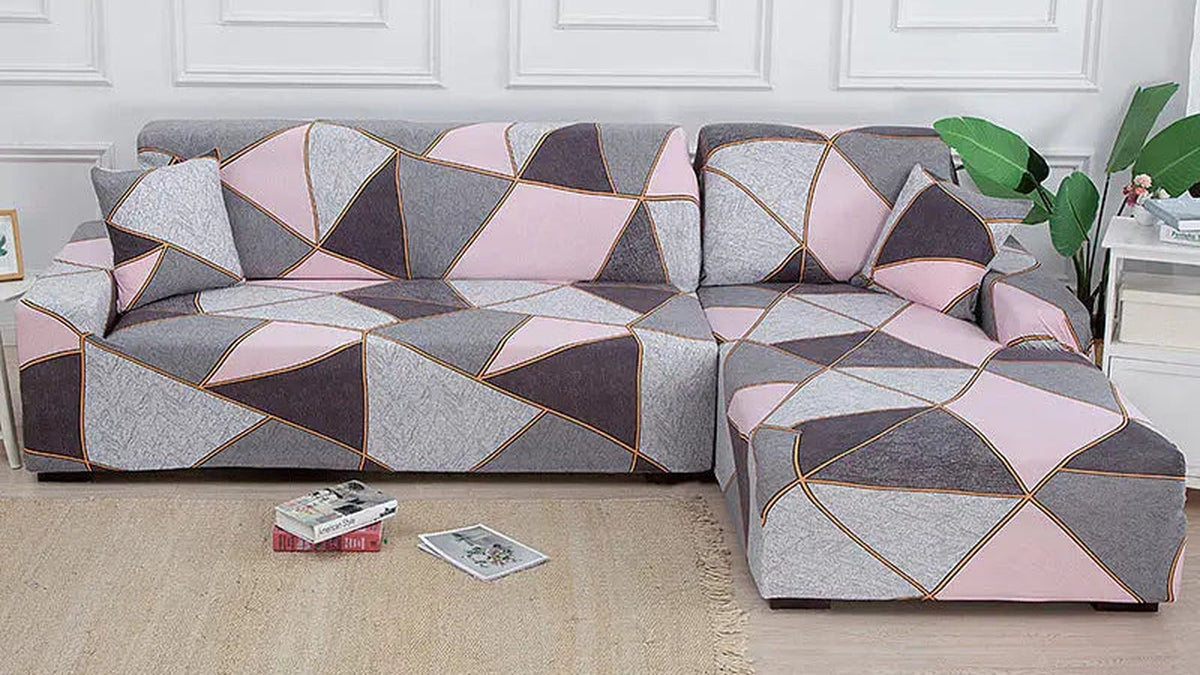
If your couch could talk, it might ask for a little breathing room. Spills, pet hair, sticky fingers, and everyday humidity can turn even a beautiful sofa into a source of stains and musty smells, especially in busy homes or shared spaces.
That is why choosing a breathable sofa cover matters. The right fabric helps air flow, reduces trapped moisture, and keeps your seating feeling fresh. In this guide, you will learn how an anti mold couch cover can protect premium, vintage, and high-traffic furniture long-term, without sacrificing style. We will also cover what to look for in a washable sofa cover and a truly pet friendly couch cover.
Next, let’s break down what makes a sofa cover breathable and why it changes everything.
Why couches get moldy (and why it starts with trapped moisture)
Mold on a couch is not a mystery problem, it is usually a moisture problem. Most upholstered sofas offer exactly what mold likes: soft, absorbent fibers plus tiny pockets where air does not move well. Add warmth from a lived-in home and a little “food” like dust, skin cells, and crumbs, and the conditions are set. The EPA and CDC both emphasize that mold growth is driven by moisture control, meaning the most effective prevention starts by keeping fabrics from staying damp in the first place.
Here is the simple formula to remember:
- Moisture (humidity, spills, wet cleaning)
- Warmth (typical indoor temperatures)
- Organic material (dust, oils, crumbs, pet dander)
- Time (dampness that lingers)
A breathable sofa cover helps because it supports airflow and drying, so small damp events do not turn into a long-term odor or stain issue. This is also why an anti mold couch cover should never feel like it is sealing your upholstery in plastic.
The most common moisture sources hiding in real homes (and shared spaces)
Even careful households can have moisture sneak in. The usual culprits are surprisingly everyday:
- Humid weather and closed windows: If indoor humidity stays elevated, upholstery absorbs it like a sponge, especially in coastal or rainy climates.
- Poor ventilation around the sofa: Couches pushed tight against exterior walls can trap cooler air and create condensation when a wall “sweats,” particularly in older homes or basements.
- Kid and pet life: Sippy cup drips, snack spills, wet swimsuits, and the occasional accident can soak into seams and cushion edges faster than you notice. If you are shopping for a pet friendly couch cover, this is a big reason to prioritize easy cleanup and quick drying.
- Wet cleaning that never fully dries: Over-wetting during spot cleaning or steam cleaning can leave moisture inside cushions or under a cover. IICRC S520 (a professional mold standard) is built around this same prevention principle: control moisture, dry thoroughly, and prevent damp materials from staying enclosed.
Practical tip for busy households: after any spill or cleaning session, lift the cushions and feel along the piping and seams. Those areas hold moisture the longest.
Early warning signs that moisture is getting trapped
Couch mold rarely announces itself loudly at first. Catching it early can save you from deeper cleaning, lingering smells, or cushion replacement.
Look for:
- A musty smell that returns quickly (even after you clean the surface)
- Tiny dark specks near seams, welting, or under cushion edges
- A slightly damp or clammy feel when you sit down, especially after humid days
- Discoloration that fades with cleaning but comes back in the same spot
If you notice these signs, treat it like a moisture investigation first, not just a stain problem. Cleaning without drying and airflow is often why odors keep coming back.
Why some covers accidentally make things worse
Not all protection is created equal. A cover can protect from scratches and stains on the surface, but if it traps moisture underneath, it may increase the risk of odor and mold.
Common “moisture traps” include:
- Non-breathable backing layers that hold humidity against upholstery
- Covers that fit loosely and bunch up, creating folds where dampness lingers
- Covers that are hard to remove and wash, so they stay on during humid weeks or after small spills
This is where choosing a washable sofa cover matters just as much as choosing a stylish one. If it is easy to remove and clean, you will actually do it, which helps keep dust and oils from building up (and those are mold’s favorite “snacks”).
If you want to browse options designed for day-to-day life, including family messes and high-traffic seating, explore sofa protection options.
The takeaway (and what we will cover next)
Mold starts when moisture gets in and cannot get out. So the goal is not just “cover the couch,” it is to cover it in a way that still lets the sofa breathe and dry.
Next, we will break down what “breathable” really means in a sofa cover, how to spot it when you shop, and how it helps prevent that stubborn musty smell from settling in.

What ‘breathable’ really means in a sofa cover (and how it helps prevent odors)
After learning how trapped moisture can set the stage for musty smells and mold, the next step is choosing a cover that helps moisture leave, instead of holding it close to your upholstery. That is exactly what a breathable sofa cover is designed to do.
Breathable does not mean “thin”
In furniture protection, breathable means the fabric allows airflow and moisture vapor to pass through so the cover does not behave like a sealed lid on your cushions. A cover can feel substantial and still breathe if the fibers and weave are built for ventilation.
Here is the simple buyer takeaway:
- Non breathable covers can trap humidity and leftover dampness from cleaning against the sofa.
- A breathable sofa cover helps moisture evaporate faster, which is one of the most practical ways to reduce lingering odors in real life use.
This matters even more if you are specifically shopping for an anti mold couch cover, because mold prevention starts with moisture control, not just surface protection.
What to look for: ventilation plus everyday protection
Busy homes need a cover that breathes and stands up to daily life. Look for fabrics that balance:
- Ventilation: helps humidity and cleaning moisture dry out instead of settling in.
- Barrier protection: blocks dirt, crumbs, skin oils, and everyday wear from reaching the upholstery.
- Structure and recovery: keeps its shape after sitting, stretching, and washing.
If you have kids, pets, or a shared lounge, consider protecting the areas that absorb the most contact and moisture first. Armrests and seat cushions tend to collect spills, sweaty arms, snack dust, and pet dander, all of which can feed odors over time. A smart upgrade is adding separate pieces for those zones: Protect high-wear zones with separate pieces.
How common cover materials typically behave (airflow and drying time)
No fabric is perfect for every home, but the chart below can help you narrow down options based on ventilation and how quickly the fabric tends to dry after cleaning.
| Material type (common in sofa covers) | Typical airflow | Typical drying time after spot cleaning | Best for | Watch-outs |
|---|---|---|---|---|
| Polyester blends | Moderate | Fast to moderate | Busy families, everyday durability | Some weaves can feel “warm” if tightly constructed |
| Cotton blends | Moderate to good | Moderate | Softer, classic hand feel; décor friendly | Can hold water longer than synthetics if the fabric is thicker |
| Microfiber | Lower to moderate (varies by weave) | Often fast | Pet hair wipe-off can be easier; smooth look | Tighter constructions may reduce ventilation and feel less breathable |
| Performance knits (stretch knits) | Good | Fast | Snug fit, comfort, often dries quickly | Quality varies; very dense knits can reduce airflow |
Use this table as a starting point, then confirm with real world cues: how the fabric feels after a wipe down, and whether it dries promptly in your home’s humidity level.
Odor control basics that actually work in a family home
Odor control is not about strong fragrance. It is about removing what causes smells and preventing dampness from lingering. Focus on three practical habits:
-
Reduce moisture retention
- If your cover feels damp for hours after cleaning, it is more likely to hold onto odors.
- Choose materials that release moisture and do not stay clammy on cushions.
-
Choose a washable fabric you will realistically clean
A washable sofa cover is one of the simplest odor prevention tools because it lets you reset the fabric on a schedule, not only when there is a visible mess. If you have pets or kids, “washable” is not a bonus feature. It is peace of mind. -
Avoid covers that stay damp after cleaning
Damp fabric plus warm indoor air is the combination that makes musty odors more likely to return. After spot cleaning, prioritize drying fully before you settle back in.
A quick at-home breathability test (no special tools)
You can learn a lot about a cover with one simple check after spot cleaning:
- Step 1: Spot clean a small area with a lightly damp cloth (not soaking).
- Step 2: Wait 15 to 30 minutes in normal room conditions.
-
Step 3: Touch the fabric where it meets the cushion.
- A good breathable cover should feel drying and comfortable, not clammy.
- If it still feels cool, wet, or sticky against the cushion, it is likely holding moisture longer than you want.
If your household includes shedding pets, muddy paws, or frequent snack time, pair breathability with easy cleanup. The best pet friendly couch cover is one you can vacuum, wipe, and wash without babying it.
How this connects to anti-mold protection
Breathability is one piece of the puzzle. To choose a true anti mold couch cover, you also need to think about fit, washability, and how your room handles humidity. Next, we will walk through a practical checklist so you can get the protection you need without overpaying.
Anti-mold protection checklist: features that matter most (without overpaying)
You already know why breathability matters. Now let’s make sure the cover you choose actually prevents that trapped, damp feeling that leads to odors and mildew. This checklist focuses on what genuinely helps an anti mold couch cover perform well long-term, without paying extra for features you will not use.
1) Fit and coverage: snug beats “sort of fits”
A breathable sofa cover can only do its job if it stays in place. Loose fabric creates folds and gaps where crumbs, dust, and moisture settle, basically a cozy hiding spot for musty smells.
Look for:
- A tailored or stretch fit that hugs the seat, back, and arms without bunching
- Enough coverage to protect high-contact zones (armrests, seat edges, cushion tops)
- Minimal excess fabric around seams and corners (less shifting, fewer moisture pockets)
Real-life moment: after bath time accidents or a tipped sippy cup, a cover that shifts can let liquid sneak into creases. A snug fit keeps spills more visible and easier to address right away.
2) Washability: if it is hard to wash, it will not get washed
In busy homes and shared lounges, “spot clean only” often turns into “later.” A washable sofa cover makes mold prevention realistic because routine cleaning removes the dust and residue that mold can feed on when moisture is present. The EPA and CDC both emphasize moisture control and prompt cleanup as key prevention habits, and regular washing supports that by reducing buildup.
Look for:
- Machine-wash friendly care (ideally cold or warm, gentle cycle)
- Fabric that releases detergent well and does not stay damp for long
- A cover design that is easy to remove and re-fit (so you actually follow through)
Practical tip: plan a consistent wash day (weekly for heavy use, biweekly for calmer homes). Consistency beats occasional deep cleans.
3) Pet and kid readiness: choose “life-proof,” not precious
A pet friendly couch cover should make everyday messes less stressful. Think hair, snack crumbs, rough play, and the occasional surprise accident.
Look for:
- Hair release: fabrics that lint roll easily and do not trap fur in a fuzzy pile
- Abrasion resistance: helps with daily climbing, jumping, and high-traffic seating
- Easy spot cleaning: a quick blot and mild cleaner should lift most fresh messes
If scratching is a big issue, start with stronger protection designed for claws: If pets scratch your sofa, start here. It is a practical upgrade that can save the upholstery underneath.
Coworking example: in a lounge with constant turnover, durability plus quick cleanup matters more than “delicate” texture. A cover that handles frequent wiping and washing will look better longer.
4) Stain prevention habits that stop odors before they start
Even the best breathable sofa cover cannot prevent mildew if moisture is left sitting. Use this simple spill routine to protect both the cover and the cushions underneath:
- Blot fast (do not rub) to avoid pushing liquid deeper
- Use a mild cleaner (gentle soap solution is often enough for fresh spills)
- Rinse lightly if needed, then dry thoroughly
- Most important: fully dry the cushions and sofa surface before re-covering
That last step is where many musty couches begin. Re-covering a slightly damp cushion creates a humid pocket, exactly what mold likes. EPA and CDC guidance consistently comes back to the same principle: fix the moisture, do not just cover the smell.
5) Room-level prevention: the “hidden” factor most people miss
Sometimes the problem is not the cover at all, but the room. If your sofa sits in a basement, near an exterior wall, or in a humid climate, your anti mold couch cover works best paired with basic moisture control.
Do this:
- Improve airflow: open windows when weather allows; use fans after cleaning or rainy days (EPA and CDC both recommend ventilation as part of moisture control)
- Use a dehumidifier in damp rooms: many HVAC and dehumidifier manufacturers recommend aiming for about 30% to 50% relative humidity indoors for comfort and moisture management (adjust based on your home and season)
- Give the sofa breathing space: keep it a few inches off potentially damp walls so air can circulate and surfaces can dry
Quick self-check: if the wall behind your sofa feels cool and slightly clammy in humid months, that is a sign to add spacing and dehumidification, not just a new cover.
If you check these boxes, you are not just buying a cover, you are building a simple system: airflow, easy cleaning, and fewer places for moisture to hide. Next, we will turn that system into a realistic cleaning routine you can actually keep up with, even with pets, kids, or constant guest traffic.

Cleaning routine that keeps covers fresh (fast steps for real life)
A breathable sofa cover and an anti mold couch cover do a lot of protective work, but they perform best when you pair them with a simple routine that keeps moisture, crumbs, and dust from settling in. Think of it as giving your sofa the same care you would give good bedding: quick resets, fast spill response, and an occasional deeper clean.
Below is a realistic plan you can actually stick to, even with kids, pets, or a busy shared lounge.
Weekly maintenance (5 minutes that prevents 80% of the “mystery smell”)
Goal: remove the stuff mold feeds on, like dust, skin cells, and crumbs, and stop buildup in seams where moisture lingers longest.
-
Quick vacuum or lint roll the cover, especially where people rest their heads and arms.
- Use the upholstery attachment and run it along seams, piping, and cushion edges.
- For a pet friendly couch cover, focus on the backrest and seat crease where hair packs down.
- Shake out crumbs (outside if you can), then re-fit snugly.
-
Spot-check high-risk zones:
- Under throw pillows
- Along the back cushion line
- Around armrests where drinks get parked
If your cover shifts a lot, that is a hint to adjust the fit. Loose folds can trap humidity, which works against the whole point of choosing a breathable sofa cover.
Spills and sticky spots (the safe, fabric-friendly method)
Goal: clean without driving liquid deeper into cushions, and make sure everything dries fully so you are not sealing dampness under the cover.
- Blot first, do not rub. Press with a clean towel to pull liquid up.
- Use a mild soap solution (a few drops of gentle dish soap in cool water).
- Dab, then lightly rinse with a cloth dampened with plain water. You want to remove soap residue that can attract dirt later.
-
Dry completely before re-fitting.
- Towel dry, then air dry with a fan if possible.
- If the cushion insert got damp, unzip and let it breathe before covering again.
This is especially important with an anti mold couch cover: it helps reduce moisture problems, but it cannot “cancel out” a wet cushion trapped underneath.
Monthly: wash day plus the under-cover clean (this is the anti-odor secret)
Goal: keep the cover truly fresh and keep the sofa underneath from becoming a dust pantry.
-
Wash the cover according to the care label. Most washable sofa cover options are designed for realistic upkeep, and common labels often recommend:
- Cold wash
- Gentle cycle
- Mild detergent
- Low heat or air dry (many covers last longer with lower heat)
-
While the cover is off, clean the sofa itself.
- Vacuum the upholstery and into creases.
- Wipe hard surfaces (like wood trim) with a slightly damp cloth and dry.
- This matters because dust is mold’s “food”, and it accumulates under covers even in tidy homes.
The 10-minute “reset” routine for families (save it for Sunday evening)
If you only do one thing consistently, do this:
- Lint roll or vacuum the cover (2 minutes)
- Shake out throw blankets and pillows (1 minute)
- Check seat creases and seams for crumbs or damp spots (2 minutes)
- Quick spot clean any sticky marks (3 minutes)
- Run a fan for airflow if the room feels humid (2 minutes)
It is fast, it is forgiving, and it keeps your breathable sofa cover doing what it is meant to do: letting your couch stay clean without trapping that closed-in, musty feeling.
Humidity plan (because fabric care is also room care)
Even the best cover struggles in a room that stays damp. A simple moisture-control habit protects both the cover and the sofa underneath.
- Open windows when weather allows, even for 10 to 15 minutes.
- After steam cleaning or wet spot cleaning, run fans until everything feels fully dry to the touch.
- Use a dehumidifier in damp seasons or in basements and coastal climates.
- Keep the sofa slightly off cold or exterior walls if that wall tends to feel clammy.
These steps directly support the goal of an anti mold couch cover: reducing the conditions mold likes, not just covering them up.
For businesses and coworking spaces: a simple staff checklist
High-traffic seating needs consistency, not complicated rules. Here is a weekly schedule that works in real lounges:
Daily (2 to 3 minutes per sofa)
- Spot clean visible marks
- Quick lint roll for hair and crumbs
- Straighten and re-fit cushions to reduce folds and moisture pockets
Weekly (10 minutes per sofa)
- Vacuum seams and cushion edges
- Rotate cushions (wear and moisture distribute more evenly)
Monthly
- Wash covers on schedule (cold wash, gentle cycle, low heat or air dry if recommended)
- Vacuum and wipe the sofa underneath before re-covering
A predictable cadence protects your investment, keeps the space feeling premium, and helps avoid that “shared furniture smell” that turns customers off quickly.
With this routine in place, you are already preventing most odor and moisture issues before they start. Next, we will cover how to tell when a cover just needs a deeper clean versus when it is time to replace it, and the clear signs that it is smarter to call a professional.
When to replace a cover vs. deep clean (and when to call a pro)
Even with the best breathable sofa cover, there comes a point where cleaning is no longer the kindest option for your home or your furniture. The goal is simple: keep your couch fresh, safe, and comfortable without wasting time or accidentally trapping moisture again.
Use this decision guide to choose the right next step for a washable sofa cover or an anti mold couch cover. It also applies if you are trying to make a pet friendly couch cover last through muddy paws and surprise spills.
Quick decision guide: deep clean, replace, or call a pro
Deep clean (best for early, fixable issues) if you notice:
- A fresh spill (juice, coffee, pet drool, snack mess) and you can address it right away.
- A surface odor that seems to live in the cover fabric, not the cushions.
- A light mildew smell caught early, especially after a humid week or a slow drying wash.
- You have already fixed the moisture source (for example, stopped using a too-wet cleaner, moved the sofa off a damp wall, or started running a dehumidifier).
Action steps that make deep cleaning actually work:
- Wash the cover as directed, then dry it fully before re-fitting.
- While it is off, vacuum the sofa and seams to remove dust and crumbs (mold feeds on organic debris).
- If cushions feel even slightly damp, air them out separately before putting your breathable sofa cover back on.
Replace the cover (best for recurring odor and wear) if you notice:
- Persistent odor even after washing and thorough drying. If you have washed, dried, and aired it out and the musty smell returns quickly, the fabric may be holding onto what you cannot fully remove at home.
- Fabric thinning, stretched areas, or worn spots, especially on arms and seat fronts. Thin fabric traps grime faster and is harder to truly clean.
- Stains that keep reappearing after washing. That can happen when residue has set deep in the fibers or when the underlying cushion is the real source.
A practical rule for busy households: if you have done two careful wash and dry cycles and the cover still smells off, replacing it is often the faster, cleaner win.
Call a professional (best for health and hidden growth risks) if you notice:
- Mold seems widespread (across multiple areas or multiple cushions).
- The issue returns quickly after cleaning, suggesting moisture is still present or contamination is deeper than the surface.
- You can see or smell signs of growth inside cushions, under the cover, or in the sofa frame.
- Anyone in the home has asthma, allergies, immune sensitivities, or you are simply unsure how extensive the problem is.
Both the EPA and CDC emphasize that preventing exposure and fixing moisture are central, and that professional remediation may be appropriate when mold is extensive or when health risks are a concern. Sources: EPA Mold Resources (https://www.epa.gov/mold) and CDC Mold Basics (https://www.cdc.gov/mold/).
Simple severity chart (low, medium, high)
Use this as a quick gut check before you decide whether your anti mold couch cover needs a deep clean, a replacement, or professional help.
| Severity | What it looks or smells like | Best next step |
|---|---|---|
| Low | One small spill, light surface odor, cover dries fast, no visible growth | Deep clean the cover and dry thoroughly |
| Medium | Musty smell that returns, repeat stains, damp feeling after cleaning, unclear source | Replace the cover and address humidity and airflow |
| High | Visible mold growth, odor inside cushions, fast recurrence, multiple areas affected, health sensitivities in the home | Call a professional and avoid disturbing spores |
Safety note you should not skip
Do not try to mask musty or mold smells with fragrance sprays, scented fabric refreshers, or heavy perfumes. They can make the room seem better while the moisture problem continues underneath. The safest path is always the same: remove moisture, clean, and dry fully before you re-cover.
This decision point sets you up for the next step in the guide: how to prevent that stubborn musty smell from coming back in the first place, especially in humid homes or high-traffic family rooms.

So, protecting your couch long-term isn't about finding a magic shield, but choosing smart, breathable protection that works with your home’s real life. By selecting a truly breathable sofa cover that allows airflow, you stop moisture from getting trapped—the root cause of that stubborn musty smell. Pair it with a simple cleaning routine and a washable sofa cover you’ll actually use, and you’ve built a powerful defense against odors and stains. This is how a dedicated anti mold couch cover and a pet friendly couch cover deliver peace of mind, preserving your furniture’s comfort and beauty for years to come.
Want a fresher, cleaner couch this week? Measure your sofa, pick a breathable cover that fits, and set your first wash day now—small steps today prevent odors and stains later. Remember, the best protection for your cherished sofa is a simple habit of letting it breathe.
FAQs: Keeping Your Sofa Fresh, Protected, and Mold Free
Breathability and protection can absolutely go together. Below are quick, family friendly answers pulled straight from the article’s core ideas: airflow prevents trapped moisture and odors, anti mold design helps in humid homes, and a washable sofa cover makes real life messes from kids, pets, and guests much easier to manage.
Q: Do breathable sofa covers still protect against spills and stains?
A: Yes. The article explains that a breathable sofa cover can still shield your upholstery from everyday spills and stains while allowing moisture to escape instead of getting trapped. For best results, blot spills quickly and follow the care notes in Spill and Stain Protection.
Q: How do I stop a musty smell coming from my couch cushions?
A: Musty odor usually means moisture is lingering, so the article recommends improving airflow and switching to an anti mold couch cover that does not trap humidity. Wash the cover, air out cushions, and check for damp padding as outlined in No Odors, No Moisture Traps.
Q: Can a sofa cover cause mold if my home is humid?
A: It can if the cover traps moisture, which is why the article focuses on breathable materials and anti mold features for humid rooms. Pair an anti mold couch cover with good room ventilation and avoid leaving damp throws on the sofa, per Humid Home Tips.
Q: How often should I wash a couch cover if I have pets or kids?
A: The article highlights that a washable sofa cover is key for busy homes, and most families do best washing weekly or every two weeks, sooner after accidents or heavy shedding. If you need extra protection, choose a pet friendly couch cover and follow the routine in Cleaning and Care Schedule.
Q: What’s the best way to dry a sofa cover quickly and safely?
A: The article recommends drying in a way that preserves breathability: shake out moisture, dry thoroughly, and avoid leaving it damp on the couch. Use air drying or low heat if allowed on the label, and confirm steps in Drying and Odor Prevention.