Ever lifted a sofa cushion and caught that musty smell you cannot explain? Between snack spills, wet paws, and sticky fingers, your couch can trap moisture and odors fast, and mold can follow.
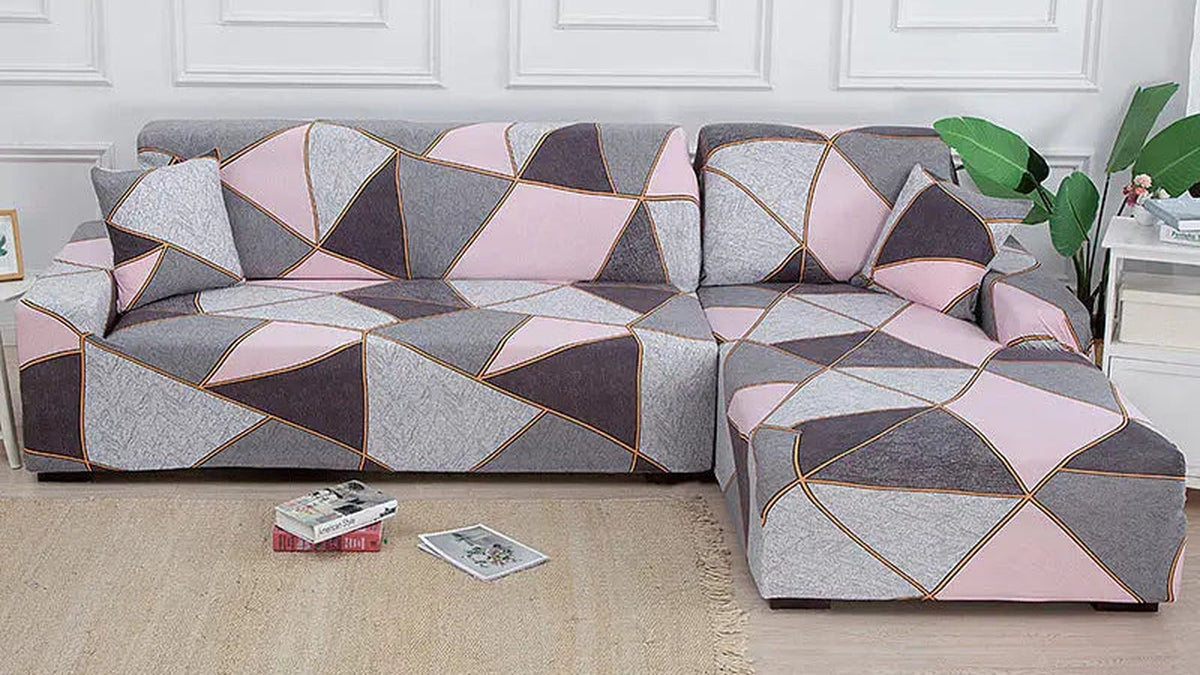
Busy homes need real protection, not a stiff, bulky cover that ruins the look of your living room. That is where a breathable sofa cover makes a difference. The right anti mold couch cover helps block stains, reduce odor buildup, and support airflow so moisture does not linger.
In this guide, you will learn what to look for in mold resistant fabric, plus how a pet friendly couch cover and washable sofa cover can stay chic, simple, and family-proof with a subtle French-inspired touch.
First, let’s break down why breathability matters more than you think.
Why couches get moldy (and why families notice it first)
Mold is not picky, it is practical. According to general guidance from the U.S. EPA, mold growth typically needs three things: moisture, warmth, and not enough airflow. Sofas unfortunately provide all three in the exact spots families use most, which is why a musty smell can show up long before you see anything obvious.
The “hidden humidity” zones on a couch
Even in a tidy living room, moisture can get trapped in places you rarely check:
- Behind the sofa back (especially when the couch is pushed tight to the wall)
- Under throws and decorative blankets that stay on all week
- In tight corners and along seams where air does not circulate well
- Under seat cushions where body heat and humidity collect
This is where a breathable sofa cover or breathable slipcover matters. Breathability supports airflow so dampness can evaporate instead of lingering. When a cover is too sealed or rubbery, it can trap humidity against the upholstery, which is the opposite of what you want for long-term freshness. Choosing mold resistant fabric (and keeping airflow in mind) is a simple way to reduce the conditions mold prefers.
Everyday family triggers that add moisture fast
Most families do not have “a mold problem.” They have normal life moments that quietly add dampness:
- Wet dog fur and rainy-day paws hopping up for cuddles
- Spilled drinks that seep into seams before you notice
- Damp cleaning cloths used for a quick wipe-down, then the cushion stays slightly wet
- Steam from kitchens drifting into open-plan living areas
- Closed windows during extreme cold or heat, which reduces ventilation and can raise indoor humidity
Real-life example: wet paws + a covered couch in a closed room = trapped moisture. If the cover is not breathable and the room is stuffy, that moisture has nowhere to go.
Early warning signs families feel first (before they see mold)
Health agencies like the CDC also emphasize that damp indoor environments can affect comfort and sensitivity. In busy homes, you often notice the “effects” before you spot visible growth. Watch for:
- A musty odor that returns even after cleaning
- Allergy-like irritation when you sit on the couch (itchy eyes, sneezing, congestion)
- Faint speckling near seams or along the back panel
- Cushions that feel slightly damp or clammy, especially underneath
If any of these sound familiar, an anti mold couch cover paired with better airflow can be a smart, family-friendly reset.
60-second home check (do this today)
This quick inspection helps you catch moisture buildup early, before it becomes a bigger project:
- Pull the couch 2 to 4 inches away from the wall to create an airflow gap.
- Look at the back panel and lower edge for faint spots or discoloration.
- Lift one seat cushion and inspect the seams and underside.
- Feel the fabric: does it feel humid, cool, or slightly damp to the touch?
- Take a quick sniff test near seams and under cushions (musty means moisture is lingering).
If you are also dealing with daily shedding, claw traffic, or accidents, consider starting with Pet-safe protection options that are designed for real family life: https://frenchcovers.com/collections/pet-furniture-protection
Next, we will make the choice feel simple: breathable vs. waterproof protection, and when each one makes sense for kids, pets, and humid homes.
External references: EPA guidance on mold and moisture control and CDC information on mold and damp indoor spaces.

Breathable vs. waterproof: choosing the right protection for humidity, kids, and pets
In the introduction, we talked about the real culprit behind that musty smell: moisture that gets trapped where air cannot circulate. Now comes the practical decision many families face when shopping for protection: Do you need a breathable sofa cover, a waterproof cover, or both?
Here is the plain-language difference, using everyday family life as the test.
Breathable covers: better for humidity and long-term freshness
A breathable slipcover allows air to move through the fabric. That airflow matters because it helps everyday moisture evaporate instead of lingering in the cushions and seams.
Think about the moisture you do not “see”:
- A dog curls up after a rainy walk, fur still slightly damp
- Kids build a blanket fort that blocks airflow for hours
- You clean with a damp cloth and the sofa never fully dries
- Summer humidity sits in the room, especially near exterior walls
In these scenarios, a breathable sofa cover supports what an anti mold couch cover is supposed to do: reduce the conditions mold likes most, meaning dampness plus poor ventilation. This is especially helpful if you live in a coastal area, a humid apartment, or you have a basement family room where air tends to feel heavier.
Friendly rule of thumb: if your home often feels “a little damp” even when nothing spills, prioritize breathability and mold resistant fabric qualities.
Waterproof covers: best for fast spill blocking (but not always for all-day use)
Waterproof covers are fantastic at one thing: stopping liquids quickly. When you have a high-spill moment, that can save your sofa in seconds.
Easy example:
- Juice spill: Waterproof wins because it blocks the liquid immediately.
- Humid air: Breathable wins because waterproof materials can hold humidity underneath if airflow is limited.
The tradeoff is comfort and airflow. If a waterproof layer is less breathable (many are), it can trap warm, moist air against the couch, particularly if your sofa sits close to the wall or the room is closed up for long stretches. That does not mean waterproof is “bad” at all, it just means it is best used strategically.
Waterproof is often ideal for:
- Movie nights with drinks and popcorn
- Potty training stages
- Puppy phase accidents
- Dining-adjacent seating where spills are common
If you are thinking, “We need both humidity help and spill protection,” you are not alone.
The best setup for many homes: breathable base + targeted waterproof layer
For busy households, the most realistic approach is usually a two-part system:
- Breathable base protection for daily living (airflow, comfort, odor control support)
- Targeted waterproof layer for high-risk moments (snacks, training periods, parties)
This lets you keep that cozy, lived-in look while still being ready for chaos. It is also a smart way to stay “family-proof” without committing your couch to an all-day plastic feel.
If you want a simple place to start for those higher-risk moments, see Extra spill protection for busy households.
Practical room match: choose based on where the sofa lives
Use the room itself as your decision guide:
- Humid climates, coastal homes, basements: Choose a breathable sofa cover first. Air exchange helps prevent moisture buildup that can lead to odors and mildew.
- Open-plan living rooms near kitchens: Breathable base protection is helpful because cooking steam can add moisture to the air, even without a spill.
- Dining-adjacent sofas or snack central seating: Keep a waterproof option nearby for quick deployment during messy moments.
- Pet zones (the “favorite corner”): A pet friendly couch cover that is breathable helps with daily fur, warmth, and lingering dampness from paws. Bonus points if it is also a washable sofa cover, because oils and dander can hold odor over time.
Once you know whether your biggest enemy is invisible humidity or sudden spills, choosing gets much easier.
Next, we will turn this into a simple buying checklist, including what to look for in an anti mold couch cover: fabric feel, fit, washability, and pet-ready durability without sacrificing that calm, French-inspired style.
What to look for in an anti-mold, breathable sofa cover (simple buying checklist)
You already know why breathability matters. Now let’s make buying simple. Use this checklist to choose a breathable sofa cover that protects from daily mess, supports airflow, and feels lovely enough to keep on year-round.
1) Fabric feel and airflow: avoid anything rubbery or fully coated
For an anti mold couch cover, the goal is to reduce moisture staying trapped against your upholstery. That starts with the fabric itself.
Look for product descriptions that say:
- Breathable, lightweight, air-permeable, moisture-wicking
- Textured weaves that do not feel slick or “sealed”
Be cautious with:
- Covers that feel plastic-like, rubbery, or fully coated on the inside. They can block spills, but in a humid home they may also trap water vapor that comes from the room, from damp fur, or from routine cleaning.
A helpful mental test: if it feels like it cannot “breathe” in your hands, it probably will not breathe on your sofa either. A breathable slipcover should feel more like a soft woven layer than a rain jacket.
Mini scenario: humid apartment with limited ventilation
If your living room windows stay closed often (winter heating, summer AC, or city noise), a cover that seals tightly can hold onto humidity. Choosing a breathable, mold resistant fabric helps your couch release moisture instead of marinating in it.
2) Fit matters: snug enough to prevent folds, still breathable
A common hidden problem is not the cover itself, but the way it sits. Extra fabric creates folds where moisture, pet hair, and crumbs collect.
A better fit helps because it:
- Reduces shifting, so you are not constantly re-tucking after kids and pets jump up
- Minimizes “hair pockets” in creases that can hold odor and humidity
- Keeps the surface smoother, making quick wipe-downs and vacuuming easier
Aim for:
- A fitted look across seat and back cushions
- Minimal bunching along arms and at the base
This is especially important if you are buying a pet friendly couch cover. The fewer loose areas, the fewer spots claws can catch and the less debris gets trapped.
3) Easy care: choose a truly washable routine you will actually do
Mold prevention is not only about the first spill. It is about removing the invisible stuff that builds up: body oils, dander, snack dust, and that damp-dog humidity.
A washable sofa cover should make upkeep feel realistic, not like a weekend project. Look for common, family-friendly care labels such as:
- Machine wash cold
- Gentle cycle
- Air dry (or low heat if the label allows)
Why air drying is often recommended: it helps protect the fabric and avoids heat-setting odors. The big win for mold prevention is simple: wash, then dry fully before putting it back on.
Mini scenario: toddler snack time
Goldfish crumbs, fruit juice drips, yogurt fingers. A washable cover lets you reset fast before sugars and oils turn into lingering smells. In many homes, washing is easier than spot-treating the same cushion five times.
4) Pet readiness: durability for claws, zoomies, and daily naps
If your sofa is the family pet’s favorite place, your cover needs to handle friction and snagging. “Pet friendly” should mean more than just “easy to vacuum.”
Look for:
- Snag-resistant textures (tighter weaves tend to catch less)
- A surface that does not cling to hair as much, so cleanup is faster
- Construction that stays put after repeated jumping and circling
Mini scenario: muddy paws after rain
Even if you towel off your dog, paws and fur can still be damp. A breathable sofa cover helps that moisture evaporate, while a durable surface stands up to the extra scrubbing that rainy-day cleanup requires.
If claws are your biggest concern, start with scratch-resistant options for pets here: Scratch-resistant options for pets.
5) Style wins: protection can still look calm and French-chic
The best anti mold couch cover is the one you keep on, because it looks good in your home.
Simple style guidelines that stay timeless:
- Solid neutrals (cream, sand, gray, soft taupe) for a calm, airy look
- Textured weaves for that subtle French-inspired “effortless” finish, cozy but not bulky
- Seasonal color swaps (warm tones in fall, lighter tones in spring) to refresh the room without replacing furniture
A breathable slipcover with a tailored fit often looks more like an intentional design choice than a “protective layer,” which is exactly what busy families want.
If you check these five boxes, you are well on your way to a breathable, mold resistant fabric setup that works with real life: kids, pets, humidity, and all. Next, we will make it even easier with mold-prevention habits that take less than 10 minutes a week, so your cover and your couch stay fresh between washes.

Mold-prevention habits that take less than 10 minutes a week
A breathable sofa cover and a well-made anti mold couch cover do a lot of the heavy lifting, but mold prevention is really about one simple theme: do not let moisture sit. That guidance shows up again and again in widely accepted recommendations from public health and indoor air authorities, including the EPA and CDC: control moisture, increase ventilation, and dry wet materials quickly.
Here is a practical, family-friendly routine you can actually keep up with, even in a home with kids, pets, and a busy schedule.
The 10-minute weekly quick reset (set a timer)
1) Vacuum the “hidden” zones (4 minutes)
- Lift the seat cushions and vacuum seams, corners, and under cushions.
- Give extra attention to the back edge where the cushions meet the sofa frame. That is where crumbs, pet hair, and dander collect, and that debris can hold onto moisture and odors.
Why it helps: even the best mold resistant fabric performs better when you remove the organic stuff mold likes to feed on. Plus, your pet friendly couch cover will sit flatter and look neater when it is not riding on top of hair clumps and snack crumbs.
2) Do a 30-second touch test (30 seconds)
- Run your hand along the back panel of the sofa and the inside of the cover near the lower back seam.
- If anything feels cool or slightly damp, treat it as a moisture warning.
3) Create airflow where it counts (2 minutes)
- Pull the sofa 2 to 4 inches away from the wall to let air circulate behind it.
- If weather allows, open a window for a few minutes. If not, run a fan toward the back of the sofa or use a dehumidifier in damp rooms (basements, coastal homes, rainy seasons).
This supports what a breathable slipcover is designed to do: allow moisture to escape rather than trapping humid air against upholstery.
4) Fast spot-check and quick dry (3 minutes)
If you see a small spot (spilled juice, wet paw print, mystery kid smudge):
- Blot gently, do not scrub aggressively (scrubbing can push moisture deeper).
- Use a small amount of mild soap and water if needed.
- Dry immediately with a clean towel, then finish with a fan or cool hair dryer setting for a minute.
If spots keep returning or you notice repeated musty odor, it is a sign to check room humidity and ventilation, not just the fabric.
Dry smart: what to do when the cover gets wet
This is the mistake that creates that stubborn “why does my couch smell worse?” moment.
If your cover is wet from cleaning, a spill, or rain-soaked fur:
- Remove it from the couch.
- Dry it fully before putting it back on.
- Avoid “air-drying” while it is still installed on a damp couch. That traps moisture between layers, exactly the kind of low-airflow zone that mold loves.
A breathable sofa cover helps moisture move out, but it cannot do its job if moisture is pinned between a wet cushion and a wet cover.
A realistic wash cadence (so it stays truly fresh)
Your washable sofa cover is only as helpful as your willingness to wash it. The goal is not perfection. It is prevention.
A simple guideline:
- Heavy-use homes (kids + pets): every 2 to 4 weeks
- Rainy season, humid climates, puppy training, or frequent spills: closer to every 1 to 2 weeks
- Low-use formal living room: every 4 to 6 weeks
Tip: put washing on the calendar like you would sheets. Clean covers remove body oils, pet dander, and odor molecules that can cling to fibers and make humidity problems feel worse.
Example weekly schedule: two kids + one dog
Here is a no-drama routine that fits into real life:
- Saturday morning (8 to 10 minutes): lift cushions, vacuum seams and under cushions, quick touch test, pull sofa away from wall if it drifted back.
- Wednesday evening (2 minutes): quick pet-hair pass with a handheld vacuum or lint tool on the seat where the dog naps.
- Every 2 to 3 weeks (wash day): wash the cover, dry fully, then reinstall. If it is a rainy week or the dog keeps coming in damp, move wash day up.
Finish with a “fresh look” trick that also feels intentional
After you reset and re-dress the couch, adding clean, coordinated pillows makes the whole room feel polished, not “covered up.” If you want an easy style refresh with that subtle French-inspired touch, explore this optional add-on: decorative pillow covers for a fresh look.
Up next, we will tie it all together with the most common family questions, including how breathability compares to dehumidifiers, how often to wash with pets, and the fastest way to remove musty smells without turning your laundry room into a full-time job.
So, protecting your sofa long-term isn't about a plastic fortress. It’s about choosing a breathable sofa cover made from mold resistant fabric that lets moisture escape, paired with simple habits that keep air flowing. This is the true secret to an anti mold couch cover that works with your family’s life—stopping musty odors before they start while staying effortlessly chic.
You can have a beautiful, protected space that welcomes kids, pets, and cozy moments without worry.
Ready for a couch that stays fresh through rainy days, kids’ snacks, and pet naps? Browse FrenchCovers’ pet-friendly protection options today and pick a cover you can wash in minutes, before damp weather returns.
True peace of mind is a home that feels both lived-in and lovingly cared for.
FAQ: Breathable, Anti Mold Protection for Real Life With Kids and Pets
Busy home, beautiful sofa, zero stress. In the article, we share how a breathable sofa cover and anti mold couch cover help reduce moisture buildup, odors, and everyday messes without the bulky look of plastic style protectors. Use these quick answers to choose the right breathable slipcover, keep it fresh, and stay ahead of stains and musty smells.
Q: Do breathable sofa covers really prevent mold, or do I still need a dehumidifier? A: A breathable sofa cover helps prevent mold by letting moisture escape instead of trapping it, which the article highlights as key for long term freshness. For damp basements or coastal homes, pair your anti mold couch cover made with mold resistant fabric with a dehumidifier for best results. See Moisture and Mold Prevention Tips and Fabric Matters.
Q: Is a waterproof couch cover better than a breathable cover for homes with kids? A: The article explains that fully waterproof layers can trap humidity, which can lead to odors and mold, so a breathable slipcover is often the better everyday choice. For frequent spills, choose a washable sofa cover that balances protection with airflow, then wash promptly after big messes. See Breathable vs Waterproof: What to Choose and Kid Proof Styling Tips.
Q: How often should I wash a sofa cover if I have pets? A: For a pet friendly couch cover, the article recommends washing on a routine before smells settle in, typically every 1 to 2 weeks, and sooner during shedding or rainy weeks. A washable sofa cover makes this easy, especially when you keep a second cover on hand for quick swaps. See Care and Washing Routine and Pet Household Checklist.
Q: What’s the fastest way to remove a musty smell from couch covers? A: The article’s fastest fix is to remove the cover, wash it, and fully air dry it so moisture does not linger, which supports an anti mold couch cover strategy. Then let the sofa cushions breathe near a window or fan to prevent the smell from returning. See Musty Smell Quick Fix and Drying and Airflow Guide.
Q: Will a slipcover trap pet hair or make cleanup easier? A: A breathable slipcover usually makes cleanup easier because hair stays on the surface, so you can vacuum, lint roll, or shake it out, as noted in the article’s pet friendly section. Choose a pet friendly couch cover with a smooth, mold resistant fabric and wash regularly to keep it fresh. See Pet Hair and Daily Cleanup Tips and Choosing the Right Fabric.