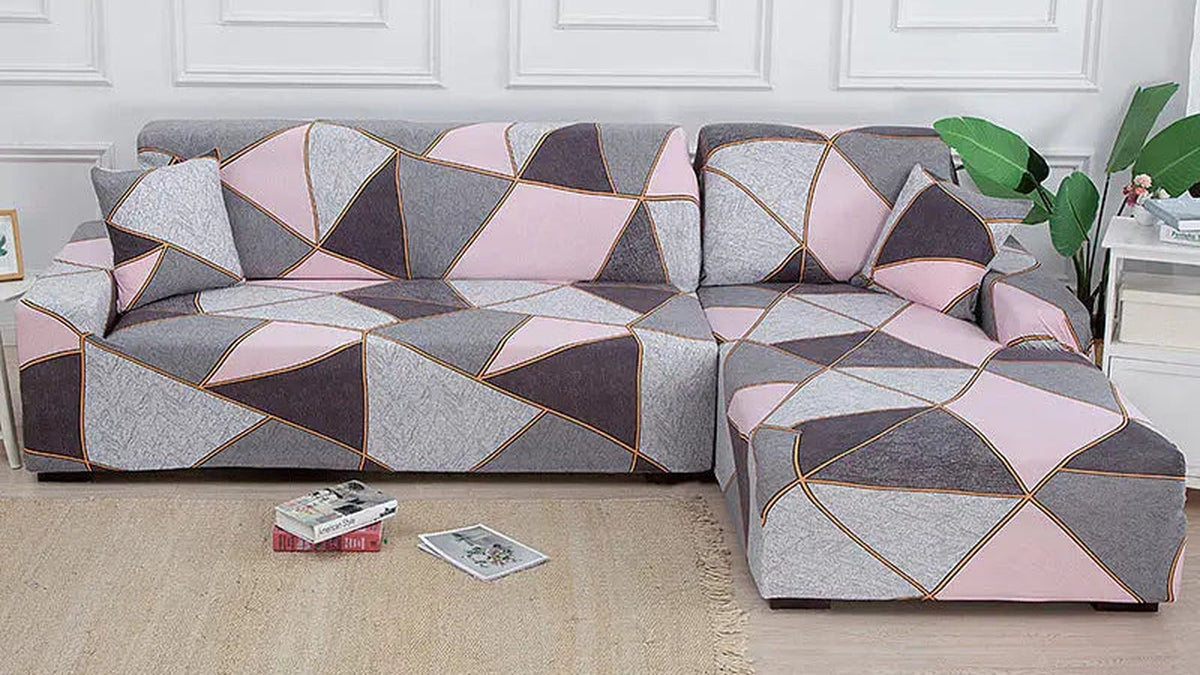
Ever pulled off a sofa cover and found it felt damp, smelled musty, or clung like plastic? If you have kids, pets, or a busy space with people coming and going, that “sealed” feel is more than annoying. It can trap heat, hold odors, and invite moisture that puts your furniture at risk.
That is where a breathable sofa cover makes all the difference. In this post, you will learn how to choose an anti mold couch cover that protects premium, vintage, or everyday sofas without sacrificing comfort or style. We will also cover smart features to look for, like a washable sofa cover for quick cleanup and a pet friendly couch cover that stands up to claws, fur, and spills.
First, let’s look at why breathability matters for both comfort and long-term protection.
Why Some Sofa Covers Feel “Sealed” (and Why It Matters)
If your current cover feels a bit like plastic wrap, you are not imagining it. That “sealed” sensation usually comes down to one simple issue: moisture has nowhere to go. And in a real-life home with kids, pets, snacks, and frequent cleanups, trapped moisture is exactly what can lead to the clammy feel, lingering odors, and the conditions that help mildew get comfortable.
A breathable sofa cover is designed to avoid that problem by letting your couch and the cover release moisture naturally, so your living room stays fresher between washes. That matters even more if you are specifically shopping for an anti mold couch cover, because mold prevention is mostly moisture control, not magic chemicals.
Breathability basics (myth-busting in plain English)
Myth: “If it is not waterproof, it must be breathable.”
Not always. A cover can block airflow even if it is not truly waterproof.
Here is the helpful distinction:
- Breathable means the fabric allows airflow and, more importantly, lets moisture vapor escape. Think: body warmth, humidity in the room, and dampness after a quick wipe-down.
- Waterproof means liquid is blocked from passing through, often using a backing layer or coating that can reduce airflow.
Why it matters: People often buy a “protective” cover expecting comfort, then end up with the sealed feeling because the material is built to block moisture instead of releasing it.
For practical home guidance, the EPA and CDC both emphasize that preventing mold is about controlling moisture and drying materials quickly, especially after water exposure or in humid conditions:
- EPA: Mold and moisture basics https://www.epa.gov/mold
- CDC: Preventing mold in the home https://www.cdc.gov/mold/default.htm
What actually causes the “sealed effect”
In most homes, the sealed feel comes from one (or more) of these common culprits:
-
Non-breathable coatings or backings
Some covers use slick, coated layers designed to resist spills. The tradeoff can be heat buildup and moisture getting trapped between the cover and upholstery. -
Overly thick laminations
Thickness can be great for durability, but if the construction is dense with limited airflow, the cover can hold warmth and humidity close to the cushion surface. -
Poor fit that traps moisture
Surprisingly, fit is not just about looks. A cover that bunches, sags, or creates tight pockets can trap damp air. On the other hand, a cover that is overly compressed can also reduce air circulation. The goal is a smooth, secure fit that still allows the fabric to breathe.
What trapped moisture can do (even if your house is clean)
When moisture gets stuck under a cover, you may notice:
- Odors that keep coming back, especially after you have “cleaned” the cover
- A clammy or sticky feel after sitting for a while
- Mustiness in humid seasons or in rooms with less ventilation
- A higher chance of mildew, particularly if the cover is not drying fully between spot cleans and washes
This is why shoppers often end up wanting a washable sofa cover that is easy to refresh regularly. It is also why families with animals prioritize a pet friendly couch cover that can handle frequent washing without turning stiff, hot, or uncomfortable.
Who feels it most (quick self-check)
You are more likely to experience the sealed feeling if any of these sound like your home:
- You have pets (warm bodies, fur, and the occasional “wet paws on the couch” moment)
- You have kids (spills, sticky hands, constant movement, more spot cleaning)
- You clean often (wiping a cover down adds moisture that needs to evaporate)
- You live in a warm or humid climate
- Your living room has limited ventilation (closed windows, basement rooms, AC running nonstop)
- Your sofa sits near an exterior wall that can feel cooler and contribute to condensation in damp seasons
Quick checklist: 7 signs your cover is trapping moisture
If you spot 2 or more, it is time to rethink fabric or fit:
- It feels hot after 10 to 15 minutes of sitting
- The cover feels damp underneath even when no spill happened
- Musty smell returns within a few days of washing
- Fabric feels slick or rubbery on the inside
- You see condensation-like dampness on leather or smooth upholstery
- The cover takes a long time to dry after spot cleaning
- The cover shifts and bunches, creating “pockets” where air cannot circulate
What to do next (before you buy anything)
If you want everyday comfort with better freshness, start by focusing on breathable materials and smart construction, then match the protection level to your household.
If you are ready to browse options built for daily life, you can start here: Shop breathable everyday protection options
https://frenchcovers.com/collections/sofa-couch-covers
Next, we will get very specific about what to look for in the fabric and build so your next cover feels comfortable, dries faster after cleanup, and supports an anti-mold setup without the plastic feel.

What to Look for in a Breathable, Anti-Mold Sofa Cover (Fabric + Build)
If Section 1 had you thinking, “Okay, I get why my cover feels sealed… but what do I buy instead?” this is your practical checklist. A truly breathable sofa cover is not just softer, it is built to let heat and moisture escape so your couch stays comfortable and fresh. And when you are shopping for an anti mold couch cover, remember this: mold prevention is mostly moisture control. The right fabric plus the right construction makes it much harder for dampness and stale odors to linger.
Here is what to look for, item by item.
1) Fabric clues that support airflow (the “sit-all-day” comfort test)
Some fabrics naturally feel cooler and less clingy because they allow air movement. When you are reading product descriptions or touching samples, these are strong signs you are in breathable territory:
- Stretch knits (often used in modern slipcovers): They move with your body and the cushions, which helps prevent that tight, plastic-wrap feeling. They also tend to feel comfortable during long movie nights or work from the couch days.
- Textured weaves: Texture usually means tiny pathways for air compared to a slick, flat surface. As a bonus, textured fabrics can look more “designer” and hide everyday lint or light pet fur better.
- Comfort-first materials: If the cover is marketed primarily for comfort and daily lounging, it is often a better candidate for airflow than a cover focused only on liquid blocking.
Actionable tip: If a cover feels smooth, coated, or unusually “rubbery” on the inside, it is more likely to trap heat and moisture. That can contribute to the damp feeling you noticed in the introduction.
2) Anti-mold support factors (quick-drying + moisture-wicking + easy washing)
A cover cannot control humidity in your home, but it can make moisture easier to remove. That is the heart of a good anti mold couch cover: it does not hold onto dampness.
Look for:
- Quick-drying fibers or finishes: After a spill or a humid day, a cover that dries fast helps prevent stale odors from settling in. Slow-drying fabric can stay damp against the upholstery longer than you realize.
- Moisture-wicking feel: While “wicking” is often used for athletic wear, the same concept helps in living rooms. Fabric that moves moisture away from the surface tends to feel less clammy.
- Easy-to-wash construction: If it is hard to remove or takes forever to dry, it is harder to maintain, especially in family homes.
This aligns with common moisture-control guidance from trusted sources like the EPA and CDC: avoid keeping fabrics damp, wash when needed, and dry thoroughly. That is why choosing a washable sofa cover is not just about convenience, it is a practical step for odor and mildew prevention.
Actionable tip: After any spot-cleaning or spill, do not re-cover cushions until the fabric is fully dry. Even “mostly dry” can trap humidity underneath.
3) Design matters: choose modular pieces to reduce moisture pockets (and simplify pet life)
One of the most overlooked features is whether the cover is one large piece or separate cushion sections. For breathability and everyday maintenance, modular designs often win.
Why separate pieces help:
- They reduce the chance of creating one big, tight layer that traps warmth and moisture.
- They are easier to remove and wash more frequently, which matters in a pet friendly couch cover setup.
Example: Separate seat covers are easier to wash weekly in pet homes because you can clean the one cushion that gets the most fur, drool, or snack spills instead of stripping the entire sofa every time.
If you want to improve fit and airflow without overcomplicating your routine, modular add-ons like armrest and cushion pieces can make a noticeable difference. Improve fit and airflow with modular pieces: https://frenchcovers.com/collections/armrest-cushion-covers
4) Fit matters: snug, not compressed (secure enough to stay put, loose enough to breathe)
A breathable sofa cover should feel tailored, not strangled. The goal is to reduce shifting while still allowing normal air circulation.
Look for:
- Snug alignment around cushions and edges so the cover does not bunch up where moisture can collect.
- Enough ease in the fabric that it is not overly stretched and flattened (over-compression reduces airflow and can make the cover feel hotter).
- Smart anchoring features like elastic edges or separate cushion panels, which help the cover stay tidy without needing to be pulled painfully tight.
Actionable tip: If you have a premium or vintage sofa, a less aggressive fit is often kinder to the original upholstery and keeps the silhouette looking intentional, not “wrapped.”
With these fabric and build features in mind, you are ready for the next decision: how much spill defense do you actually need day to day? In the next section, we will compare breathable protection versus waterproof options so you can choose comfort or full liquid blocking (or a smart mix) without bringing back the sealed feel.
Protection Without the Plastic Feel: Choose the Right Level of Spill Defense
By now, you know why airflow matters for comfort and why moisture control is the real secret behind an anti mold couch cover. The next decision is simpler than it sounds: do you need comfort-first protection for everyday living, or full liquid blocking for high-risk moments? The best choice depends on what actually happens on your sofa this week, not what might happen someday.
When a breathable sofa cover is the best everyday choice
A breathable sofa cover is ideal when your priority is a couch that feels inviting for long sits and stays fresher between washes. It is the sweet spot for most family living rooms because it protects from wear, fur, crumbs, and light spills without trapping heat.
Choose breathable first if you recognize these scenarios:
-
Daily lounging, movie nights, and long sitting sessions
If the couch is where your family actually lives, breathability keeps it from feeling clammy, especially on warm evenings or in rooms with lots of sun. -
Warm rooms or homes that run humid
The more your space tends to feel warm or slightly damp, the more you benefit from airflow and quicker drying. That is exactly what helps an anti mold couch cover do its job, because mold risk goes up when moisture stays trapped. -
Frequent sitting and constant “in and out” traffic
Busy homes and coworking spaces create heat and friction on upholstery. Breathable fabrics stay more comfortable and tend to hold less “stale” odor than sealed, coated materials. -
You want easier weekly upkeep
A breathable cover is often a more practical washable sofa cover choice because it dries faster and is easier to rotate into your routine.
Real-life example: Your child’s juice cup tips, but you catch it quickly. A breathable cover will not block every drop instantly like a full waterproof layer, but it usually gives you enough time for a quick blot and wash without that plastic-wrap feel the rest of the day.
When waterproof spill defense is worth it (and sanity-saving)
There are households where full liquid blocking is not a nice-to-have, it is survival. Waterproof options can be the right tool when accidents are frequent or costly.
Consider a waterproof cover when you are dealing with:
-
Potty training or nighttime accidents
If “surprise puddles” are part of the season you are in, waterproof protection prevents liquid from reaching the sofa itself. -
Senior pets or pets with occasional accidents
For many families, this is the difference between relaxing and constantly worrying. Waterproof can still be a pet friendly couch cover choice when you need dependable protection. -
Frequent drink spills in a high-traffic family room
Think: juice boxes, coffee mugs, smoothies, and the couch being used as the snack table. -
Rental units and Airbnb turnover
Quick resets matter. When you need predictable, repeatable cleanup between guests, waterproof covers can reduce upholstery damage risk.
If you are thinking, “Waterproof sounds right, but I hate that hot, sealed feeling,” you are not alone. The goal is to get protection without making the couch unpleasant to sit on.
If you need stronger spill blocking, consider waterproof options: Waterproof Sofa Covers
https://frenchcovers.com/collections/waterproof-sofa-covers
How to avoid discomfort with waterproof options (and keep mildew risk low)
Waterproof does not have to mean sweaty. The trick is choosing designs and habits that reduce heat build-up and prevent moisture from lingering.
Look for:
-
Construction that minimizes heat and stickiness
Avoid overly stiff, slick coatings that feel like a rain jacket on your furniture. Softer, more flexible builds tend to feel more livable. -
Easy removal so you can dry and wash fast
The most mold-prone moment is when fabric stays wet too long. Pick a cover you can pull off quickly after an accident, then dry completely before putting it back on. -
A routine that prevents “wet fabric sitting around”
Fabric care guidance commonly emphasizes not letting damp textiles linger and ensuring thorough drying to prevent mildew. Sources like The Spruce regularly highlight that fully drying washable items is key to avoiding musty odors and mildew, especially after heavy moisture events.
Practical tip for families: If a big spill happens, remove the cover right away, blot the sofa surface if needed, and get the cover into the wash or hang dry it immediately. The faster it dries, the better your anti mold couch cover strategy works, even if the cover itself is waterproof.
Simple decision tree: comfort-first or full blocking?
Ask yourself one question:
Do you need full liquid blocking every day, or quick cleanup plus comfort?
-
If spills are occasional and you mainly want a sofa that feels good all day:
Choose a breathable sofa cover and keep it washable for easy resets. -
If accidents are frequent, unpredictable, or high-volume (training, seniors, rentals):
Go waterproof, and prioritize easy-off designs so you can dry and re-fit quickly.
This brings us to the part that makes either choice work long term: a simple care routine that prevents odors and moisture buildup in real family life. Next, we will walk through an easy, time-friendly maintenance plan.

Easy Care Routine to Prevent Odors and Mold (Even in Busy Homes)
A breathable sofa cover and an anti mold couch cover do a lot of the heavy lifting, but freshness is still a team effort. The good news: you do not need a complicated cleaning schedule. What matters most is keeping moisture from lingering, and that is exactly what the routine below is designed to do.
The EPA’s mold prevention guidance is clear: moisture control is the main goal, including keeping indoor humidity ideally between 30 to 50 percent, fixing leaks, and drying wet items quickly. That same logic applies to sofa covers, especially in family rooms where spills, wet dog paws, and frequent sitting are normal.
Weekly quick routine (10 minutes, no stress)
Think of this as your reset that keeps the “sealed” feeling away and stops odors before they settle in.
-
Vacuum the cover like you vacuum the rug
- Use an upholstery attachment and hit the places that hold onto fur and crumbs: seat seams, between cushions, and along arms.
- For a pet friendly couch cover, this step is the difference between “looks fine” and “starts smelling a little off” by day four.
-
Spot-clean small messes the same day
- Blot spills first, then use a mild cleaner appropriate for the fabric.
- Do not oversoak. Too much water is what turns a small spot into a damp patch that takes forever to dry.
-
Air out the cushions briefly
- Pull the cushions forward, or unzip and loosen the cover slightly for 10 to 20 minutes while you tidy the room.
- This tiny habit supports what your breathable sofa cover is made to do: let moisture vapor escape instead of staying trapped against upholstery.
Washing tips that reduce mildew risk (your washable sofa cover game plan)
If you have a washable sofa cover, use that advantage proactively. Washing is not just about stains, it is about removing oils, sweat, and pet dander that can hold odors.
-
Follow the care label first
- Manufacturer care labels are there for a reason: the right water temperature and cycle protect the fabric and help it rinse clean.
- If the label allows it, an extra rinse can help in busy homes where covers collect more debris.
-
Never let wet fabric sit in the washer
- This is one of the fastest ways to create that musty smell, even if the cover was “clean.”
- Set a timer or wash at a time you know you can move it to the dryer or drying rack immediately.
-
Dry fully before re-fitting
- If it feels even slightly cool or damp, it is not ready. Put it back on too soon and you can trap moisture between the cover and the sofa, which works against the purpose of an anti mold couch cover.
- If air-drying, increase airflow: open windows, run a fan, or hang pieces with space between them so they dry evenly.
Practical note for modular covers: separate cushion pieces are easier to wash and dry thoroughly than one large cover, and they let you rotate cleaning without leaving the whole sofa uncovered.
Humidity control basics (simple home tweaks that matter)
If your living room tends to feel damp in certain seasons, pair your cover with a few environment fixes. These are especially helpful in older homes, basement dens, or rooms with exterior walls.
-
Ventilate when you can
- Open windows for a short daily cross-breeze when weather allows, even 5 to 10 minutes.
-
Use a dehumidifier in damp seasons
- Aim for the EPA-recommended indoor humidity range of about 30 to 50 percent to reduce mold risk.
-
Give the sofa a little breathing room
- If you frequently see condensation on windows or cold exterior walls, keep the sofa slightly away from that wall so air can circulate behind it.
These steps support both comfort and longevity: fewer odors, less moisture, and a cover that stays pleasant to sit on.
Pet-owner hacks (because fur does not follow the rules)
A pet friendly couch cover should make life easier, not give you another chore. These tricks keep shedding and “dog smell” from building up.
-
Add a removable throw on top during peak shedding
- Put it where your pet actually lies, not where you wish they would lie.
- Wash the throw more often than the full cover so the sofa stays guest-ready with minimal effort.
-
Wash smaller pieces more frequently
- If your setup includes separate seat, back, or arm covers, wash the highest-contact parts weekly and the rest as needed.
- This keeps the whole sofa fresh without turning laundry into a weekend project.
With this routine, your breathable sofa cover stays comfortable, and your anti mold couch cover strategy actually works in real life, even with kids, pets, and daily traffic. Next, we will shift from upkeep to aesthetics: how to choose colors and textures that look polished, hide everyday lint, and still feel like home.
Style That Still Feels Like Home: Color, Texture, and Room-Ready Looks
A breathable sofa cover should never make your living room feel like a “covered-up” compromise. The goal is protection that blends in so well your space still feels inviting, comfortable, and you. And yes, an anti mold couch cover can look polished, especially when you lean into smart color, texture, and styling choices that suit real family life.
Below are simple, room-ready ideas you can use today, whether you are styling around kids, pets, vintage pieces, or a high-traffic workspace.
Family-friendly style that hides the everyday stuff (lint, crumbs, paw prints)
If your couch is the family’s landing pad, choose colors and textures that forgive daily life.
-
Go mid-tone instead of very light or very dark. Mid-tones are the sweet spot for hiding lint, dust, and the “where did that smudge come from?” mystery marks.
- Try: warm beige with charcoal accents (pillows, lamp shades, frames) for a cozy, elevated look.
- Choose texture that looks intentional. A subtle waffle, knit, or weave reads like décor, not damage control. It also helps a cover look tailored even after kids bounce on it or pets do their post-walk zoomies.
- If you have pets, avoid ultra-smooth fabrics. Slick surfaces can show every hair like confetti. A slightly textured, pet friendly couch cover helps camouflage fur between cleanups and feels more “living room” than “utility.”
Practical tip: If shedding is intense, pick a cover color that harmonizes with your pet’s coat. A washable sofa cover in a tone close to your pet’s fur buys you time between laundry days without making the room look messy.
Color palettes that feel curated (not matchy-matchy)
You do not need a full redesign to make your sofa feel updated. One new cover plus a few small accents can shift the whole room.
Here are three easy palettes that work beautifully with breathable, comfort-first fabrics:
- Warm beige + charcoal accents: Family-friendly, cozy, hides everyday wear, works with most wall colors.
- Soft gray + natural wood: Clean and airy, great if your home leans modern, Scandinavian, or minimalist.
- Deep navy for a “French chic” feel: Rich, elegant, and surprisingly practical in busy homes.
If you want extra inspiration, browse seasonal color roundups from Architectural Digest (color and décor inspiration): https://www.architecturaldigest.com/
It is a helpful way to pick a fresh tone without chasing short-lived trends.
Quick décor refresh: swap covers seasonally (and make it look intentional)
One of the easiest ways to keep your home feeling fresh is to treat covers like a seasonal layer, similar to changing pillow covers or a throw.
- Spring and summer: lighter neutrals and airy textures pair well with a breathable sofa cover that stays comfortable during long lounging sessions.
- Fall and winter: deeper tones like navy, warm taupe, or charcoal feel cozy and hide extra traffic during holiday hosting.
To keep it cohesive, use a simple “rule of three”:
- Sofa cover as the base color
- Two coordinating pillow cover colors
- One throw that adds softness or contrast
This is also where a washable sofa cover earns its keep. You can rotate styles and still stay on top of spills, muddy paw prints, and snack accidents without stress.
Premium and vintage furniture: protect the silhouette, not just the fabric
If you are covering a vintage sofa or a premium piece you love, you want protection that preserves its character.
- Choose understated colors (soft gray, warm beige, muted taupe, classic navy) so the sofa’s shape still leads the room.
- Look for clean lines and a close, not compressed fit. A cover should follow the contours without pulling so tight it distorts cushions or creates that wrapped-up look.
- Prioritize comfort-first materials. A breathable sofa cover helps prevent that clammy feel that can make a beautiful sofa less enjoyable to actually sit on.
This style approach pairs naturally with the “fresh and dry” goal of an anti mold couch cover, because fabrics that breathe and dry more easily are more likely to stay comfortable and odor-free over time.
Small business and coworking spaces: modern, consistent, easy-care
For coworking lounges, waiting areas, studios, and short-term furnished spaces, the winning formula is: coordinated palette plus fast cleanup.
- Modern neutrals: soft gray, greige, charcoal, or navy look polished and professional.
- Consistent colors across seating: keeps the space intentional even when furniture pieces are different.
- Easy-wash practicality: choose a washable sofa cover you can clean on a predictable schedule, especially with high turnover and frequent sitting.
If your space is busy, consider keeping a spare set on hand so you can swap covers quickly while one set washes and dries.
Style is the fun part, but it works best when the cover performs the way your home needs it to. Next, we will tie everything together with the final checklist and a simple path to choosing the right breathable protection level for your household.

So, a sofa cover that truly protects is one that lets your furniture breathe. It’s about choosing airflow-friendly fabrics, a smart fit, and the right level of spill defense for your daily life. By opting for a breathable, washable sofa cover designed for real homes, you stop moisture, odors, and mildew before they start—all without sacrificing an ounce of comfort or style. Your living room deserves protection that works with your life, not against it.
Ready for a living room that stays fresh, comfortable, and protected? Browse FrenchCovers sofa cover options today and pick the protection level that fits your real life this week.
Because the best kind of protection is the one you never have to think about.
FAQ: Breathable, Anti Mold Sofa Covers for Real Life Homes
Busy homes need protection that still feels comfortable and looks curated. Below are quick answers based on the article’s key takeaways: avoid the sealed feel, reduce trapped moisture that leads to odors, and choose materials and care routines that work for kids, pets, and premium upholstery.
Q: Are breathable sofa covers still protective against spills and stains?
A: Yes. The article explains that a breathable sofa cover can still shield from everyday spills, just without trapping heat and moisture that create that sealed feel. Choose a washable sofa cover with a tight weave or treated finish, and blot spills fast. See Protection without the “Sealed” Feel and Fabric Features to Look For.
Q: How do I prevent a musty smell under my couch cover?
A: Musty odor usually comes from trapped humidity, which is why the article recommends airflow focused materials and regular drying time between washes. Use an anti mold couch cover, let cushions breathe weekly, and never cover damp upholstery after cleaning. See Why Musty Smells Happen and Care Routine for Busy Homes.
Q: What’s the difference between mildew-resistant and truly mold-proof fabrics?
A: The article notes that mildew-resistant fabrics slow growth, but they are not a guarantee if moisture is trapped underneath. A true anti mold couch cover strategy pairs breathable construction with moisture control habits like washing and fully drying. See Mildew Resistant vs Mold Protection and Moisture Management Tips.
Q: How often should I wash a sofa cover if I have pets or kids?
A: For most families, the article recommends a simple cadence: wash more often during heavy use seasons and spot clean in between. With a pet friendly couch cover, aim for every 2 to 4 weeks, or sooner if there are accidents or allergy concerns, and always dry completely. See Cleaning Schedule for Kids and Pets and Wash and Dry Best Practices.
Q: Can a sofa cover damage leather, velvet, or vintage upholstery?
A: It can if it traps moisture or rubs too much, which is why the article emphasizes breathability and proper fit for premium pieces. Choose a breathable sofa cover that stays in place without harsh backing, and use a washable sofa cover only when the fabric care label allows. See Protecting Premium and Vintage Upholstery and Fit and Fabric Guidance.