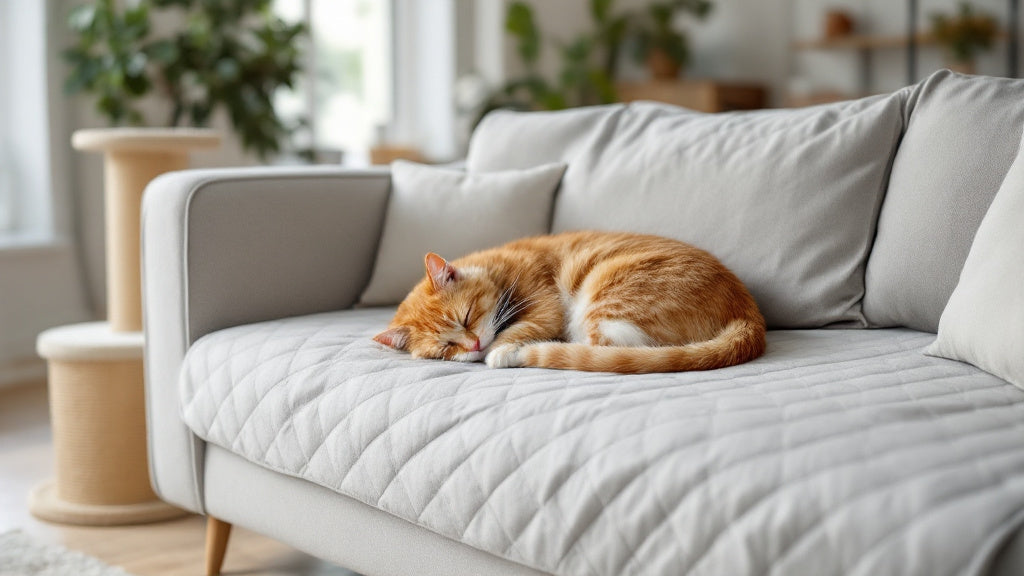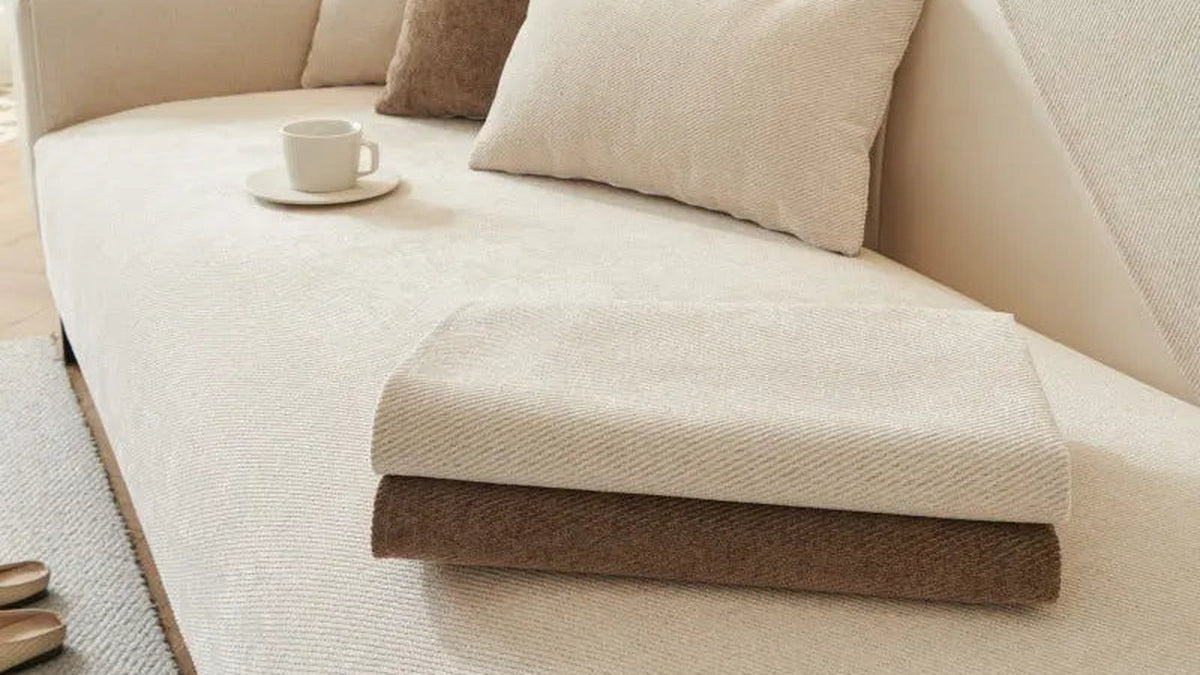
One spilled juice box can turn your favorite sofa into a stress magnet. Add muddy paws, mystery stains, and daily life, and it is no wonder you feel on edge every time someone sits down.
But protection should not come with harsh chemicals or a bulky look. Many families now want a PFAS-free waterproof couch cover that keeps messes out and air quality in mind, without sacrificing style.
In this guide, you will learn how to choose a washable waterproof sofa cover that is truly practical, non-toxic, and chic. We will also cover what matters most for pets, kids, and premium or vintage pieces, so your space stays polished and welcoming.
Let us start with what PFAS are, and why avoiding them matters for a healthier home.
What “Waterproof” Really Means (and Why It Matters for Daily Life)
After the introduction, it is tempting to type “waterproof cover” into a search bar and pick the prettiest one. But here is the truth: “waterproof” is not a single standard word in home textiles. Brands use it differently, and that gap is exactly where families end up with a cover that looks right, yet still lets juice, paw prints, or a surprise accident reach the sofa.
To choose a PFAS-free waterproof couch cover that genuinely protects your upholstery (and still feels lovely), you need to know three common protection levels, how they are built, and which one fits your real life.
Waterproof vs water-resistant vs spill-resistant (plain English)
Think of these as three different promises:
- Spill-resistant: Buys you time. Liquid may bead up briefly, but it can still soak through if it sits, if pressure is applied (someone sits on the spill), or if the fabric is already damp. Great for light splashes, not great for accidents.
- Water-resistant: Slows absorption and handles small everyday spills better, but it is not a sealed barrier. Under pressure or with larger spills, moisture can work its way through seams, stitching, or the fabric itself.
- Waterproof: Creates a barrier that stops liquid from passing through the cover (often via a backing layer or membrane). This is what you want when the goal is truly “nothing reaches the sofa.”
A helpful reference point: many university extension textile care resources define these terms based on how fabrics handle water exposure over time and under pressure, not just whether droplets bead on the surface. In other words, beading is nice, but barrier performance is what saves your cushions.
The constructions that create waterproof performance (and how they feel)
Not all waterproof covers feel the same. The materials and layering determine comfort, noise, and breathability.
-
Coated fabrics (surface coating)
- What it is: A coating applied to the fabric surface to repel water.
- What it feels like: Can feel slightly slick. Some coatings can reduce softness over time.
- Best for: Light to moderate spills when you still want a fabric-forward look.
- Watch for: Coatings that crack or get stiff with age, and vague care instructions.
-
Laminated backing (PU laminate)
- What it is: A thin polyurethane (PU) layer bonded to the underside of the fabric.
- What it feels like: Often very effective at blocking liquid, but can feel warmer and less breathable. Some versions can sound a bit “crinkly,” especially when new.
- Best for: Busy homes, rentals, playrooms, or anywhere accidents are realistic.
-
Membrane layers (TPU membrane)
- What it is: A thermoplastic polyurethane (TPU) membrane that can block liquid while allowing more airflow than some laminates.
- What it feels like: Typically softer and quieter than a stiff laminate, with improved comfort for long lounging.
- Best for: Families who want true waterproofing without the raincoat feel.
Practical tip: When you shop, look for these terms in product details and on manufacturer care labels. If a listing simply says “waterproof” but never mentions the construction (PU, TPU, membrane, laminated backing), consider that a signal to ask questions before buying.
Real-world sofa moments that “tests” do not warn you about
In daily life, moisture rarely hits your couch in a gentle, controlled way. These are the moments that separate “cute cover” from a genuinely washable waterproof sofa cover:
- Kids’ spills: Juice boxes and milk tend to seep into seams fast. If someone plops down mid-spill, pressure pushes liquid through weaker fabrics.
- Pet accidents: Even a small accident can penetrate a water-resistant layer, especially along stitching or cushion edges. If you need a pet-friendly couch cover, true waterproofing is peace of mind.
- Sweaty naps and sticky summer lounging: Warmth plus moisture can make non-breathable covers feel clammy. A membrane style often feels more comfortable for long sits.
- High traffic sit-stand use: In family rooms, waiting areas, and small offices, constant movement increases shifting and friction. A waterproof layer helps, but fit and comfort matter too (we will address fit and style later in the guide).
Quick “cup-of-water” test you can do at home (or as a product check)
If you already own a cover, or you are comparing options after purchase, try this simple demo:
- Place the cover over a paper towel on a flat surface.
- Pour about 1 to 2 tablespoons of water onto the top.
- Wait 5 minutes.
- Press firmly with your hand (this mimics someone sitting).
- Lift the cover and check the paper towel.
- If the towel is dry: You have a stronger waterproof barrier.
- If it is damp: You likely have water-resistant or spill-resistant performance, not fully waterproof.
This is also why “beads up nicely in photos” can be misleading. A cover can bead initially and still leak under pressure.
Decision tip: Do you need full waterproof, or is water-resistant enough?
Use this fast checklist to choose confidently:
You likely need full waterproof protection if:
- You are managing potty training, frequent kid spills, or pet accidents.
- You own a rental property or furnished unit with unpredictable use.
- The sofa is vintage, premium, or difficult to clean professionally.
- The couch sits in a high-traffic space (family room, waiting room, coworking lounge).
- You want a truly protective, non-toxic sofa cover approach that relies on barrier design and washability, not heavy “forever” stain chemistry.
A water-resistant option may be enough if:
- Spills are rare and you usually catch them immediately.
- The primary goal is light protection from drinks and snack crumbs.
- You prioritize maximum breathability and a barely-there feel, and you accept that accidents could still reach the upholstery.
If you are ready to compare styles that prioritize real-world waterproofing while staying polished, you can browse our curated waterproof couch cover options to see what different constructions look like in practice.
Next, we will connect the dots between “waterproof” performance and the ingredient question many families now ask: what are PFAS in fabrics, and how do you spot PFAS-free claims you can trust?

PFAS in Fabrics: What to Look For (and What to Avoid) When Buying a “Waterproof” Cover
If Section 1 helped you define what “waterproof” really means for real life spills, this next step is about how some fabrics achieve that performance and what you may want to keep out of your home. Many shoppers start with a simple goal, a PFAS-free waterproof couch cover that stands up to kids and pets, and end up confused by labels that sound healthy but say very little.
PFAS, in plain English (and why they show up in “waterproof” textiles)
PFAS are a large family of synthetic chemicals commonly used to make products resist water, stains, and grease. You will often hear them called “forever chemicals” because many PFAS persist in the environment and can accumulate over time. The U.S. Environmental Protection Agency explains the broad category and why it is a concern on its PFAS overview page: EPA overview of PFAS. Europe’s chemical agency provides additional context on PFAS uses and regulation: ECHA information on PFAS (Europe).
In furniture protection, PFAS have historically been used in stain repellent finishes (think “coffee slides right off” marketing). The tricky part is that a cover can be “waterproof” in more than one way, including membranes and backings that do not rely on PFAS, which is one reason families can now look for waterproof performance and a non-toxic sofa cover approach.
Labels that actually help you shop smarter (and the vague ones that do not)
When you are comparing a washable waterproof sofa cover, look for clear language that tells you what the brand is doing, not just what they hope you will assume.
Helpful, specific buying terms (good signals):
- “PFAS-free”: A direct claim that the product is made without PFAS chemistry.
- “Fluorine-free”: Often used because many PFAS are fluorinated. It can be a useful signal, especially when paired with a clear materials and coating description.
- “C0 DWR”: Indicates a durable water repellent finish without fluorocarbons (older DWRs were often “C6” chemistry). It is not a magic stamp of safety, but it is more specific than “eco finish.”
Vague claims to treat as incomplete (not necessarily bad, just not enough):
- “Eco,” “green,” “clean,” “natural waterproofing,” “non-toxic,” “chemical-free”
These can be well intentioned, but they do not tell you what repellency chemistry is used or whether any fluorinated finishes are present. Your goal is documentation and clarity, not just comforting adjectives.
Safer buying signals: what to look for on product pages and packaging
Think of this as your quick screening checklist before you click “add to cart.”
1) Transparent materials list
Look for plain details such as:
- Face fabric (example: polyester, cotton blend)
- Waterproof layer (example: TPU membrane or PU backing)
- Any finishing treatment (example: “fluorine-free DWR”)
Brands that list the construction are easier to trust because you can compare like for like.
2) Clear compliance statements
Good product pages often include language such as “PFAS-free,” “no fluorinated stain repellents,” or a formal restricted substances approach. If the copy only says “safe,” ask for specifics.
3) Certifications that help you screen
A widely recognized option is OEKO-TEX® Standard 100, which tests for a range of harmful substances in textiles. It does not mean “chemical-free,” but it can be a practical filter for families trying to reduce exposure to certain substances while still buying performance fabrics. Here is the standard directly: OEKO-TEX® Standard 100 explained.
Red flags that deserve a pause before you buy
A chic cover should feel like a calm upgrade, not a question mark.
- A strong chemical odor right out of the package, especially if it lingers after airing out
- Unclear coating language like “proprietary waterproof coating” with no mention of PFAS-free or fluorine-free approaches
-
“Stain-proof forever” or “permanent stain protection” claims with no testing info, certification, or care guidance
(In real homes, truly permanent performance is rare, and big claims without documentation are often marketing, not reassurance.)
A practical note for families (and pet people): washability beats heavy finishes
If your home includes kids, cats, or a lovable dog who thinks the sofa is their personal lounge, the safest long-term strategy is often less about aggressive chemical treatments and more about maintenance you can actually keep up with.
Prioritize a washable waterproof sofa cover with:
- Removable pieces (separate cushion covers, easy on and off design)
- Simple care instructions you can follow weekly or after a mess
- Materials that release hair and lint more easily, a key feature for a truly pet-friendly couch cover
Regular washing helps reduce the build-up of pet dander, dust, and everyday allergens that settle into soft furnishings. And it is often a better “real life” solution than relying on extra-strong stain repellents to do all the work.
If you are protecting against muddy paws, snack spills, and the occasional surprise accident, you can explore options designed for daily life here: pet-proof protection for daily mess.
Quick questions to ask before you buy (or email a brand)
Keep these in your notes app for fast shopping decisions:
- Is this cover explicitly PFAS-free or fluorine-free?
- What is the waterproof method: membrane, backing, or surface finish?
- Is there a certification like OEKO-TEX® Standard 100, and can you see details?
- Is it designed to be washed often without losing performance?
- Are the parts removable so you can clean the areas that collect hair and crumbs?
Next, we will move from chemical safety and labels to the time saving reality: what “easy care” should look like, and how to choose a cover you can wash regularly without ruining the waterproof layer.
Washability That Actually Works: The Care Features That Save You Time
After you have narrowed in on a PFAS-free waterproof couch cover (so you are not relying on heavy stain-repellent chemicals), the next make-or-break factor is simple: will you actually wash it often enough to keep your home feeling fresh?
A truly washable waterproof sofa cover should fit into real life. Think juice box spills, a puppy who “forgot” the rules, and that cozy movie-night snack situation. Easy care is not a marketing phrase, it is a system: quick off, quick clean, quick back on, without wrecking the waterproof layer.
The Washability Checklist (print this mentally before you buy)
Use this quick checklist when comparing options. If a listing is vague on these points, that is your sign to keep looking.
-
Machine-washable (not just “wipe clean”)
Look for care tags that clearly say machine wash. “Spot clean only” is rarely family-friendly if you are shopping for a pet-friendly couch cover. -
Colorfast dyes (so it stays chic, not patchy)
A cover that fades after a few cycles can make even a beautiful room look tired. Reputable brands typically mention colorfastness testing or provide conservative wash directions to protect dye. -
Durable seams and edge binding
Wash cycles tug at seams. Double stitching, reinforced corners, and neatly finished edges matter as much as the fabric itself. -
Simple instructions that use normal detergent
You should not need specialty soaps. Good care guidance, similar to what trusted laundry educators (think Good Housekeeping Institute style basics) recommend, usually includes plain detergent, cool to warm water, and gentle settings. -
A waterproof layer designed to survive washing
Many waterproof covers rely on a membrane or laminate. That layer can last, but only if it is cared for correctly (more on common mistakes below).
What “Easy Care” Means in Practice (the three-minute reality test)
Before committing, ask yourself:
-
Can I remove it fast, even one-handed?
If it requires a full cushion disassembly every time, it will not get washed as often as it should. -
Does it dry quickly enough to return to service?
Families and small businesses alike cannot have a sofa out of commission for two days. Look for materials and construction that air-dry efficiently or tolerate low-heat tumble drying. -
Will it trap pet hair?
Some textures cling to hair like a magnet. A good non-toxic sofa cover should still be practical: hair should release with a quick brush, rubber glove swipe, or a short vacuum pass before washing.
Real-life care scenarios (kids, pets, and everyday mess)
Here is a practical framework you can follow without overthinking it.
Scenario 1: Pet hair everywhere
-
Before washing: Do a fast dry removal first.
Vacuum with an upholstery tool, use a lint roller, or try a slightly damp rubber glove to gather hair into clumps. - Why this matters: Less hair in the washer means better cleaning and fewer clogged filters. It also helps the cover rinse clean, so it stays soft and polished.
Scenario 2: Spills and sticky spots
-
Spot clean first, then wash if needed:
Blot, do not rub. Use a mild soap solution and a soft cloth. - Rule of thumb: The faster you blot, the less you will need aggressive cleaners later. This protects the waterproof layer and the look of the fabric.
Scenario 3: Odors (pets, food, “mystery smells”)
-
Choose gentle odor control:
Air out the cover, then wash with a normal detergent. If the care label allows, a small amount of baking soda in the wash can help deodorize. - Avoid soaking for hours: Prolonged soaking can stress certain waterproof constructions and adhesives.
Care mistakes to avoid (these quietly ruin waterproof performance)
Waterproof materials are durable, but they are not invincible. Most laundry guidance for technical fabrics comes down to protecting the membrane or laminate.
-
High heat drying
High heat can warp or weaken waterproof layers. If you tumble dry, stick to low heat or air-dry when possible. -
Harsh bleach
Chlorine bleach can break down fibers and coatings and may discolor dyes. Use oxygen bleach only if the care label explicitly allows it. -
Fabric softeners and dryer sheets
These can leave a residue that reduces performance and changes the hand-feel (often making a cover feel “waxy” over time). Many manufacturers of performance textiles warn against softeners for exactly this reason.
The 10-minute reset routine (busy household edition)
This is your “company is coming” and “we cannot live like this” routine.
- Shake out crumbs outdoors (1 minute)
- Vacuum the cover and seams (3 minutes)
- Spot-clean any fresh marks with mild soap and cool water (3 minutes)
- Quick deodorize: open windows, let it breathe, and fluff cushions (3 minutes)
If claws are part of your daily life, pair washability with durability by exploring anti-scratch options for pets and claws. It is a smart add-on when “clean” is not the only battle.
The weekly refresh routine (offices and coworking spaces)
High-traffic seating collects oils, lint, and odors fast. A weekly cadence keeps the space looking intentional.
- Monday or Friday: vacuum seams and high-contact zones (arms, seat front edge)
- Midweek spot check: treat visible marks immediately
- Weekly wash: rotate covers if you have them, so the sofa is always guest-ready
- Dry fully before reinstalling: trapped moisture can lead to lingering odor and a less crisp look
This washability framework sets you up for success, but it is only half the story. Next, we will make sure your cover looks tailored and elegant, so it reads as decor, not a temporary fix, with fit and style tips that keep a waterproof cover feeling truly chic.

Fit + Style: How to Keep a Waterproof Cover Looking “Chic,” Not “Temporary”
You already know why protection matters for real life (spills, paws, popcorn) and why choosing a PFAS-free waterproof couch cover can feel like a healthier, calmer decision. Now comes the part that makes it sustainable: a cover that actually fits and looks like it belongs in your home, not like a quick fix you cannot wait to remove.
Measure in 2 minutes: the 4 numbers that prevent slipping and bunching
A washable waterproof sofa cover only looks tailored when it is sized correctly. Most “sliding” issues are not about the fabric, they are about fit.
Grab a tape measure and note:
-
Seat width
Measure across the seating area from left to right at the widest point (not including arms unless the cover is designed to wrap them). -
Seat depth
Measure from the front edge of the seat cushion to where the seat meets the back cushions. -
Back height
Measure from the seat seam (where your back rests) up to the top of the sofa back. -
Arm style and arm height
Are your arms square, rounded, rolled, or low and modern? Measure arm height from the seat to the top of the arm.
Why this matters: when a cover is too small, it “creeps” and pops loose. When it is too large, it puddles and wrinkles, trapping crumbs and pet hair and looking temporary. Accurate measurements help your non-toxic sofa cover stay smooth, quiet, and polished even with kids climbing up and down.
Data source note: A simple measurement diagram showing these four points is one of the most useful buyer tools, and the same measuring logic is commonly reflected in slipcover sizing guidance and interior styling basics often shared by décor publications in the House Beautiful or Architectural Digest vein.
If you want to browse shapes and sizes while you measure, start here: sofa and couch covers collection.
French-chic styling that hides “waterproof” in plain sight
Waterproof does not have to look shiny or utilitarian. A chic setup is usually about three things: a calm base, tactile texture, and a finished edge.
Try this simple formula:
-
Choose a neutral base color (your elegant backdrop)
Think cream, sand, warm taupe, soft grey, or deep charcoal. These shades read “intentional,” and they let your art, rug, and greenery shine. -
Add texture, not clutter
A linen-look weave, a subtle matte finish, or a softly brushed hand feel makes a PFAS-free waterproof couch cover blend in like upholstery, not outdoor gear. -
Finish the silhouette with coordinated pieces
If your setup allows it, matching cushion covers or armrest covers create that tailored, made-for-the-sofa look. It also helps a pet-friendly couch cover stay neat in high-contact zones where paws and elbows land first.
Mini color and texture examples you can copy:
- Beige + linen-look texture for calm: perfect for bright rooms and light wood floors.
- Deep charcoal for pet hair camouflage: especially helpful for multi-pet homes where lint is a daily visitor.
- Soft pastel for a spring refresh: a gentle blush, misty blue, or sage can brighten the room without repainting anything.
Fabric feel matters more than you think: avoid the “crinkly raincoat” effect
Many people buy “waterproof” and then stop using it because it feels noisy, stiff, or sweaty. For everyday comfort, prioritize quiet, soft-touch materials that move with the sofa.
When comparing options, look for:
- A smooth drape (it should fold like fabric, not crease like plastic)
- Low noise when you sit (no loud crackle during movie night)
- Comfort against skin (especially if kids lounge in shorts or you nap on the sofa)
This is where a well-made washable waterproof sofa cover earns its place: you get the spill barrier without turning your living room into something that feels like camping gear.
Room-by-room ideas (so it looks intentional everywhere)
A cover can be practical and still feel elevated, especially when it matches how the room is used.
-
Family living room (high traffic, high mess)
Go mid-tone or deeper (taupe, warm grey, charcoal) for daily forgiveness. Add two coordinated pillows and one washable throw for softness. This is the “we live here and it is lovely” look. -
Design-focused apartment (minimal, curated)
Choose a clean neutral with a refined texture. Keep accessories restrained: one sculptural cushion, one tonal throw. The waterproof function stays invisible. -
Vintage or premium sofa protection (gentle, respectful)
Pick a soft-touch surface that will not feel abrasive. A tailored fit matters here because bunching can create friction points. Your goal is protection that feels like a careful layer, not a rough shield. -
Client-facing waiting area (polished, reliable)
Choose darker neutrals for wear and easy visual upkeep. A neat fit signals professionalism, and frequent washing stays simple without the space looking “covered up.”
Quick fit check before you commit
Use this fast test when you are comparing sizes:
- Can the cover tuck smoothly into seat and back seams without strain?
- Does it stay put after you stand up, sit down, and cross your legs?
- Are the arms fully covered in a way that matches your sofa shape?
- Does it look like upholstery from across the room?
Get this right and your PFAS-free waterproof couch cover becomes part of the décor, not a constant adjustment project.
Next, we will make this even easier with a quick decision guide by persona, so you can choose the right cover based on whether you are a busy family, a design lover, a vintage sofa owner, or a small business that needs polished durability.
Quick Decision Guide: Choose the Right Cover for Your Persona (Family, Design Lover, Vintage Owner, or Business)
You have already learned what “waterproof” actually means, how to spot PFAS red flags, and what makes a washable waterproof sofa cover truly easy to live with. Now, let us make the choice simple, based on how your home (or business) really runs.
A quick decision tree (answer in order)
- Is your biggest risk liquid reaching the upholstery (spills, potty training, pet accidents, rentals)?
- Yes: Choose a PFAS-free waterproof couch cover with a true barrier layer (often listed as a membrane or laminated backing), plus sealed or well-finished seams.
- No: A water-resistant, highly washable cover may be enough, especially if comfort and breathability are your top priorities.
- Will you wash it weekly (or more)?
- Yes: Prioritize a washable waterproof sofa cover designed for frequent laundering: strong stitching, colorfast fabric, and care instructions that do not require special detergents.
- No: You can lean more into texture, drape, and a more “decor” look, as long as it still protects against your main risk.
- Do you share the sofa with pets?
- Yes: Look for a pet-friendly couch cover that releases hair easily, resists snagging, and stays put when they jump up. Darker mid-tones usually hide lint and fur between washes.
- No: You can choose lighter colors and more delicate textures with less stress.
- Is the sofa premium or vintage (delicate upholstery, heirloom piece, or a fabric you never want to abrade)?
- Yes: Choose a non-toxic sofa cover with a gentle contact surface, minimal friction, and a secure fit that does not rely on harsh grips or aggressive fasteners. Breathability matters here.
- No: You can prioritize maximum grip and heavy duty performance.
- Do you need a tailored look or a relaxed look?
- Tailored: Choose fitted shaping, coordinated cushion pieces, and clean lines.
- Relaxed: Choose soft drape and easy on, easy off coverage.
Mini use-case matrix: match the cover to your life
| Persona | Your “real life” challenge | What to prioritize | Style tip that still feels chic |
|---|---|---|---|
| Busy families + pet owners | Juice spills, snack grease, muddy paws, surprise accidents | True waterproof barrier, fast removal, hair resistance, durable seams, frequent-wash readiness | Choose deeper neutrals (charcoal, cocoa, navy) or mid-tone greige to camouflage hair and tiny marks between washes |
| Home décor lovers | You want the room to feel refreshed without buying a new sofa | Texture, fitted look, seasonal color rotation, quiet soft-touch fabric | Keep a neutral base cover and rotate pillows and throws by season for that effortless French-chic update |
| Premium or vintage owners | Protecting delicate upholstery, finishes, and shape long-term | Gentle contact surface, breathable comfort, secure fit without harsh grips, PFAS-free materials and clear labeling | Go for refined solids and subtle texture. Think “quiet luxury,” not shiny coatings |
| Small businesses or coworking | High traffic, frequent cleaning, polished brand impression | Durability, frequent-wash performance, stain and odor management via washing (not heavy chemicals), tidy drape | Choose consistent brand-friendly colors (graphite, sand, beige) that look intentional and professional |
A practical money note: Reupholstery and replacing quality seating can get expensive quickly, especially for large sofas and sectionals. Even without quoting exact figures, most reputable home and consumer finance sources agree it is often a meaningful investment. A well-chosen cover helps you delay that cost while keeping your space welcoming.
Scenario recommendations (so you can decide in 30 seconds)
- If you have toddlers and a dog: Go full barrier protection. Pick a PFAS-free waterproof couch cover that you can remove in minutes and wash often, in a darker mid-tone that forgives everyday life.
- If you love styling your living room: Choose a washable waterproof sofa cover in a refined texture (not plasticky), then treat it like a base layer. Swap colors seasonally for a new-room feeling.
- If you are protecting a vintage sofa: Choose a non-toxic sofa cover with a soft hand feel and a stable fit that does not pinch or scrape. Breathability and gentle contact matter as much as spill protection.
- If your sofa lives in a waiting area or coworking lounge: Pick durability and frequent-wash readiness first, then choose a clean, polished color that supports your brand image.
If you are shopping for a sectional or L-shaped setup, sizing and configuration become the deciding factor even more than color. Use these Sectional & L-shaped sizing tips and options to avoid the most common “almost fits” frustration.
The 5-question checklist (save this before you buy)
- What is your biggest risk: spills, pets, or daily wear?
- How often will you realistically wash it: weekly, monthly, or only as needed?
- Do you need full waterproof performance, or is water-resistant enough?
- What look do you want: tailored and fitted, or relaxed and cozy?
- What fit do you need: standard sofa, deep seat, or sectional configuration?
Next up, we will answer the most common questions shoppers ask about PFAS-free waterproof covers, washing routines, pet hair, and stopping slipcovers from sliding.

Finding the right balance between a protected sofa and a healthier home doesn’t have to mean compromising on style or safety. You now have the toolkit to confidently choose a PFAS-free waterproof couch cover that handles real-life messes without harsh chemicals, a washable waterproof sofa cover that survives weekly laundry sessions, and a pet-friendly couch cover that actually stays put and looks chic. Whether you are shielding a vintage heirloom or creating a calm, kid-proof living room, the best choice is one that protects your family today and your furniture for years to come. Ready for a cleaner, calmer living room this week? Browse FrenchCovers’ waterproof and pet-friendly options and pick a style that fits your sofa today. After all, a well-loved sofa is the heart of the home, and yours deserves to stay beautiful, breathable, and beautifully yours.
FAQ: PFAS Free, Washable, and Chic Sofa Protection
Choosing a sofa cover should feel simple: protect what you love, keep your home healthier, and stay effortlessly stylish. Below are quick answers based on the guide’s key points: how PFAS free waterproofing works, what to look for on labels, washability tips, pet friendly styling, and fit tricks that keep covers tidy.
Q: Are PFAS-free waterproof couch covers less effective than traditional “stain-proof” fabrics?
A: Not necessarily. The article explains that a PFAS-free waterproof couch cover can still block spills using a barrier layer and smart construction, without relying on “forever chemicals.” Focus on waterproof backing, sealed stitching, and real-life testing notes in our Waterproof without PFAS section.
Q: How can I confirm a couch cover is truly PFAS-free before I buy?
A: Use the guide’s checklist: look for explicit “PFAS free” language, avoid vague “stain resistant” claims, and ask for material and treatment details from the brand. For extra peace of mind, choose a non-toxic sofa cover that clearly states what is not used. See PFAS free verification checklist.
Q: Can I machine-wash a waterproof sofa cover without ruining the waterproof layer?
A: Yes, if you follow the care steps in the article: gentle cycle, cold water, mild detergent, and skip bleach and fabric softener which can compromise performance. Air-dry or low heat if the label allows, so your washable waterproof sofa cover stays reliably protective. Review Wash and care instructions.
Q: What’s the best color or fabric texture to hide pet hair and everyday lint?
A: The guide recommends mid tones and heathered or textured weaves that camouflage fur better than flat, very dark, or very light solids. For a pet-friendly couch cover, prioritize tightly woven tops that resist hair embedding and are easy to lift off with a quick brush or vacuum. Browse Pet friendly styling tips.
Q: How do I stop a couch cover from sliding or bunching after people sit on it?
A: The article’s fit solution is simple: choose the right size and use anchors like elastic straps, tuck-in foam rolls, or grippy backing to hold shape through movie nights and busy days. This matters most for premium and vintage pieces where a clean silhouette keeps the chic look. Follow Fit and anti-slip setup guide.