Ever lifted a sofa cover and caught that musty smell? Mold can grow in the dark, trapped space where air barely moves, and it often shows up when you least expect it.
For busy families, pet owners, and anyone who loves a clean, styled living room, mold under sofa cover is more than gross. It can stain fabric, damage premium or vintage pieces, and leave your space feeling damp and unhealthy. In shared offices and coworking spaces, it can also turn into an awkward problem fast.
The good news: you can stop it. In this guide, you will learn what causes sofa cover humidity, how to prevent mold on couch, and the simplest ventilation tips for sofa that fit real life.
First, let’s look at why mold forms under a sofa cover in the first place.
Why Mold Forms Under a Sofa Cover (Even in a Clean Home)
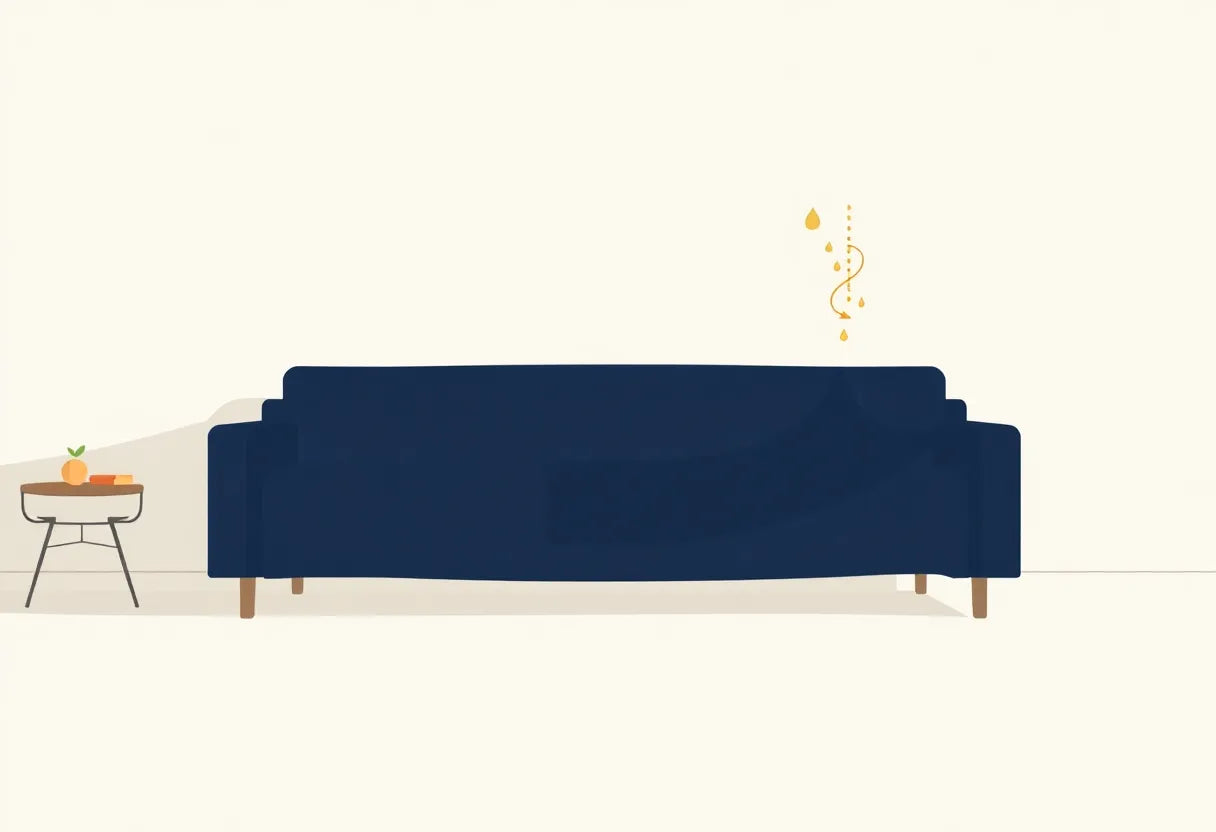
If you are dealing with mold under sofa cover, it is rarely a sign of a messy household. It is usually a simple cause and effect problem: moisture gets trapped, air cannot circulate, and mold finds something to feed on.
The 3 conditions mold needs (and why covers can tip the balance)
Most mold issues under covers come down to this trio:
-
Moisture (humidity or damp fabric)
- A sofa cover can hold sofa cover humidity close to the upholstery, especially if the room is already damp or the couch was not fully dry after cleaning.
-
Limited airflow (stagnant air)
- The space under a cover, behind back cushions, and between the sofa and wall can become a low-ventilation pocket where moisture lingers longer than you think.
-
Organic material (food for mold)
- Even in spotless homes, upholstery collects tiny bits of dust, skin cells, lint, pet dander, and the occasional crumb. Mold does not need a visible mess, just something it can break down.
This is why a cover can feel like a surprise culprit. It is doing its job protecting against wear and spills, but if the fabric fit is too tight or the room stays humid, it can also reduce evaporation.
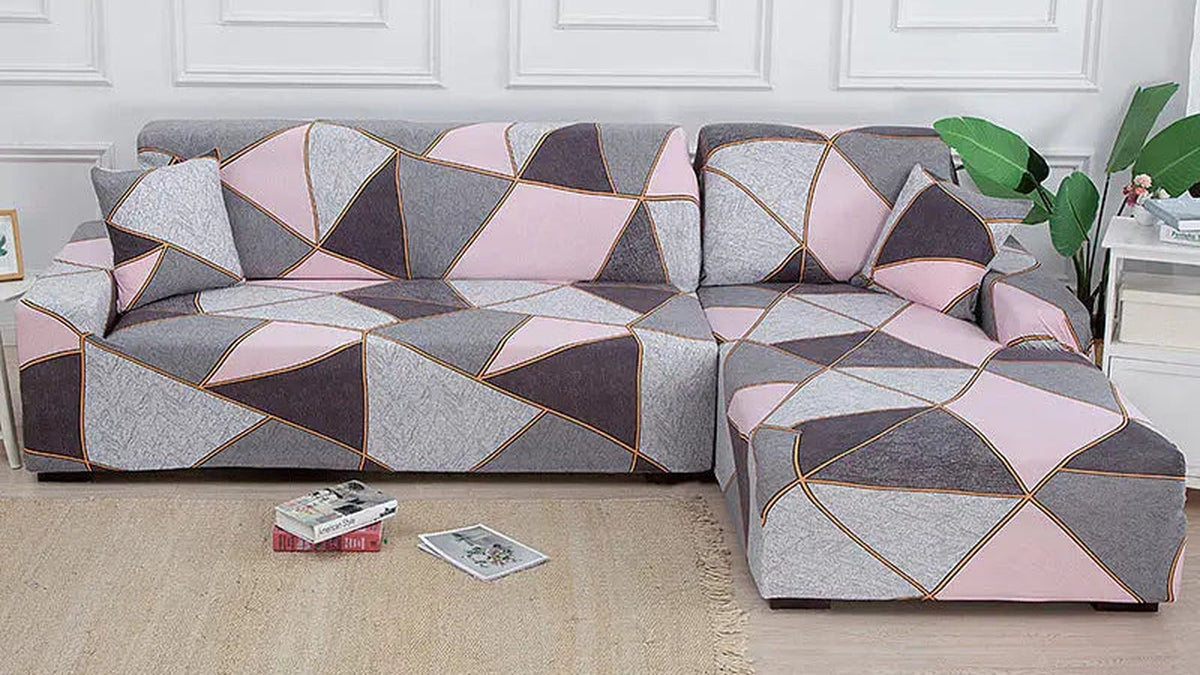
If you are shopping for an option designed to protect while still feeling breathable and easy to remove for drying, see: Couch cover options that fit and breathe.
Common real-life triggers (the ones busy homes run into)
Here are the most common scenarios we see that lead to mold forming under a cover:
-
Putting a cover back on a slightly damp sofa
- After spot-cleaning, shampooing, steam cleaning, or even wiping down spills, the surface can feel dry while moisture remains in seams, piping, and cushion edges.
-
High indoor humidity for days at a time
- Mold risk rises in damp indoor environments. General best practice from sources like the EPA is to keep indoor humidity controlled and address moisture quickly. (Reference: EPA guidance on mold and moisture control)
-
Sofa pushed tight against a cold exterior wall
- Cold wall plus warm indoor air can create condensation, especially in winter or in air-conditioned rooms during humid weather.
-
Basements and ground-floor rooms
- These spaces often have higher moisture loads, lower sunlight, and less consistent airflow.
-
Poor airflow under and behind cushions
- Deep seats, plush backs, and tight slipcovers can keep hidden areas from drying fully.
For families with kids or pets, add one more trigger: frequent small spills that get blotted fast, but not fully dried deep down. That is a key piece of how to prevent mold on couch long term: drying all the way through, not just on the surface.
Early warning signs to catch it before it becomes upholstery damage
Acting early can save you from stains, lingering odor, and cushion fill that never smells the same again. Watch for:
- A musty odor under the cover (even if the room smells fine)
- Faint speckling or shadowy patches that seem to spread
- A damp or cool-to-the-touch feel on the upholstery or the inside of the cover
- Allergy flare-ups that feel worse when you sit on the couch (not a diagnosis, just a useful clue)
If you notice any of these, do not wait for a deep clean day. Remove the cover, improve airflow, and start drying immediately. We will cover safe cleanup later in the article.
Quick self-check (5 minutes, no tools required)
Use this checklist to pinpoint what is driving your sofa cover humidity:
- Room humidity: Does the room often feel muggy or take a long time to air out after showers, cooking, or rainy days?
- Wall temperature or condensation: Is the sofa on an exterior wall? Have you seen dampness or condensation nearby?
- Airflow behind the sofa: Can air move behind it, or is it pressed flat to the wall with no gap?
- Cover washing and drying habits: Are you reinstalling the cover only when it is fully dry, including seams and elastic edges?
- Spill frequency: Do drinks, pet accidents, or damp paws happen often enough that moisture might be building up over time?
Use a hygrometer reading (simple data that removes the guesswork)
A small hygrometer gives you a clear answer instead of a hunch. Place it near the sofa (not directly in front of a vent) and check morning and evening.
General indoor guidance aligns with this simple rule of thumb:
Humidity cheat sheet (for sofa areas)
| Relative Humidity (RH) | What it means for sofas and covers |
|---|---|
| 30 to 50% | Comfort zone: fabrics usually dry normally with basic airflow |
| 50 to 60% | Caution zone: moisture lingers longer under covers, increase airflow and drying habits |
| 60%+ | Higher risk zone: mold is more likely in damp indoor conditions, prioritize dehumidifying plus ventilation |
This is not about perfection. It is about recognizing when your space needs extra airflow so moisture cannot get trapped where you cannot see it.
Now that you know the most common causes, the next step is the fix that makes the biggest difference fast: ventilation that actually works, including easy room setup changes and practical ventilation tips for sofa you can do even in a busy household.

Ventilation That Actually Works: Set Up Airflow Around Your Sofa
If you are dealing with mold under sofa cover, ventilation is the fastest, most realistic win you can get at home without buying new equipment. The EPA is clear that mold prevention is about controlling moisture and improving airflow, not just wiping surfaces and hoping for the best. See: EPA guidance on mold and moisture control.
The goal is simple: stop sofa cover humidity from getting trapped in that dark, still pocket between the slipcover and the upholstery. Use the steps below as a weekly setup that actually fits family life.
Step 1: Create a small air gap (2 to 4 inches)
What to do
- Pull your sofa 2 to 4 inches away from the wall, especially if it sits against an exterior wall or a basement wall.
- If you have a sectional, focus on the longest back run where air tends to stagnate.
Why it works
- Walls can be cooler than the room, which increases the chance of light condensation behind the sofa. Even small moisture plus trapped air can feed mold.
- A modest gap lets room air circulate behind the cover, cutting down that damp, musty microclimate.
Quick room layouts that work
- Sofa on an exterior wall: keep the 2 to 4 inch gap and do not store bins or baskets behind it.
- Sofa under a window: keep the gap and avoid heavy curtains pooling behind the sofa where they can block airflow.
- Basement family room: prioritize the gap plus a fan behind the sofa (Step 3) during rainy weeks.
Step 2: Lift and air out weekly (30 to 60 minutes)
This is one of the simplest answers to how to prevent mold on couch when schedules are packed.
What to do (once a week)
- Remove the cover and drape it over a chair or railing so both sides can breathe.
- Stand seat and back cushions on edge so seams and zippers are exposed to air.
- If you can, open the sofa bed compartment or lift cushions off the platform to release trapped dampness.
Why it works
- The most common spots for mold under sofa cover are hidden seams, piping, and cushion undersides where humidity lingers.
- Airing out interrupts the moisture cycle before odor and spotting set in.
Best time to do it
- After vacuuming day, after pet grooming, or right after you wash floors and the room feels slightly damp.
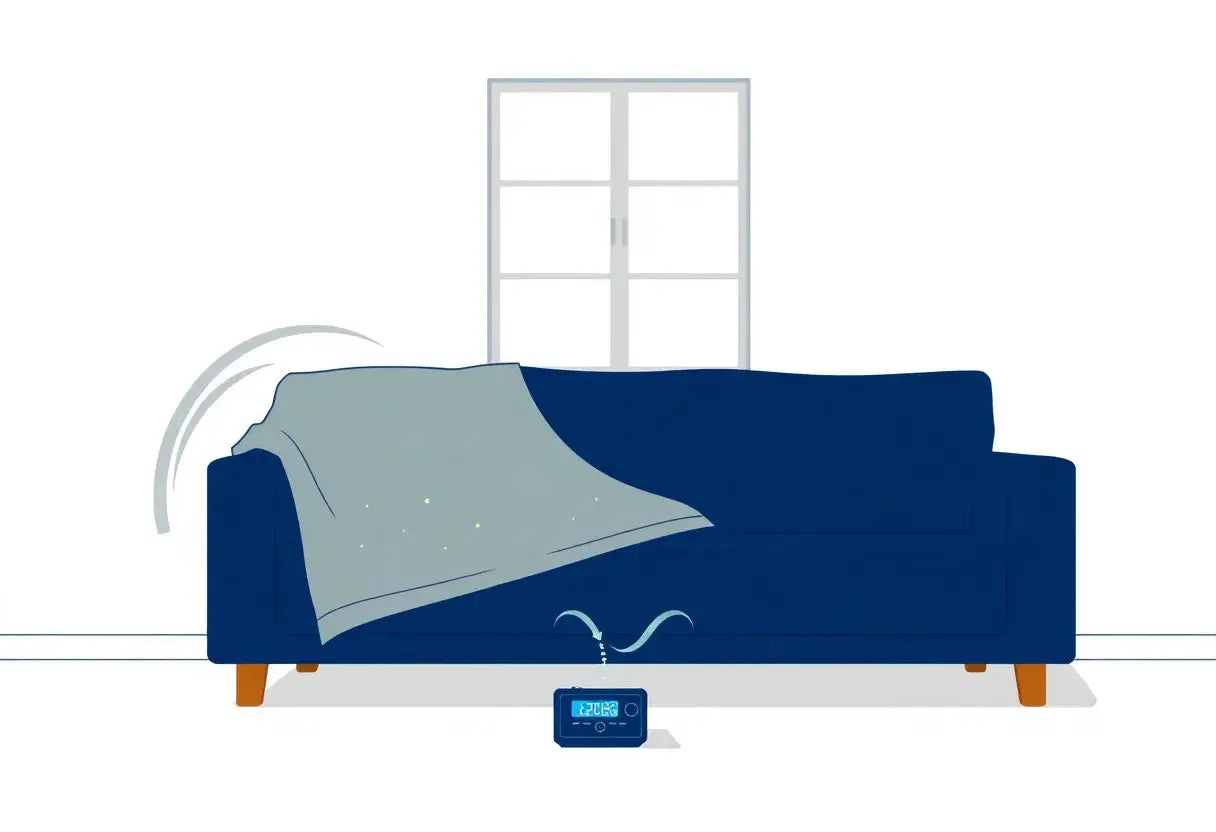
Step 3: Use cross-ventilation plus a fan (10 to 15 minutes)
These are the ventilation tips for sofa that make the biggest difference in the shortest time.
What to do
- Open windows on opposite sides of your home or room for 10 to 15 minutes when outdoor conditions allow.
- Add a small fan aimed behind the sofa, not at the front. Let it run for 20 to 30 minutes if the room tends to feel heavy or musty.
Simple airflow diagram idea (for your notes or a quick sketch)
- Draw two arrows: one arrow entering from a window, a second arrow exiting at the opposite window.
- Add a fan icon behind the sofa pointing along the back wall, showing air sweeping through the gap you created in Step 1.
- Sketch cushions standing upright like books on a shelf to show drying positions.
Helpful detail
- If outdoor humidity is extremely high (sticky air, windows fogging), skip the window step and use indoor airflow plus a dehumidifier plan in the next section.
Step 4: Avoid heat traps that hold moisture in place
Sometimes the problem is not your cover, it is what is layered on top of it.
What to avoid
- Do not drape thick blankets tightly over the cover for long periods, especially if pets nap there or kids spill drinks.
- Keep HVAC vents, baseboard heaters, and radiators clear. Blocking them can create warm, stagnant pockets where moisture sits.
- Avoid pushing throw pillows tight against the back of the sofa for days at a time if your room is already humid.
Why it matters
- Warmth plus trapped moisture increases sofa cover humidity, and that can lead to musty odor even if your cleaning routine is solid.
Step 5: If you use an air purifier, use it the right way
Good news: air purifiers can help with airborne particles.
Important reality: they do not solve moisture.
What to do
- Place the purifier where it has open space to pull and push air.
- Pair it with the gap-behind-the-sofa setup and weekly airing out.
- If musty smells keep returning, treat humidity directly (next section) rather than relying on filtration alone.
Make ventilation easier with a cover you can actually remove
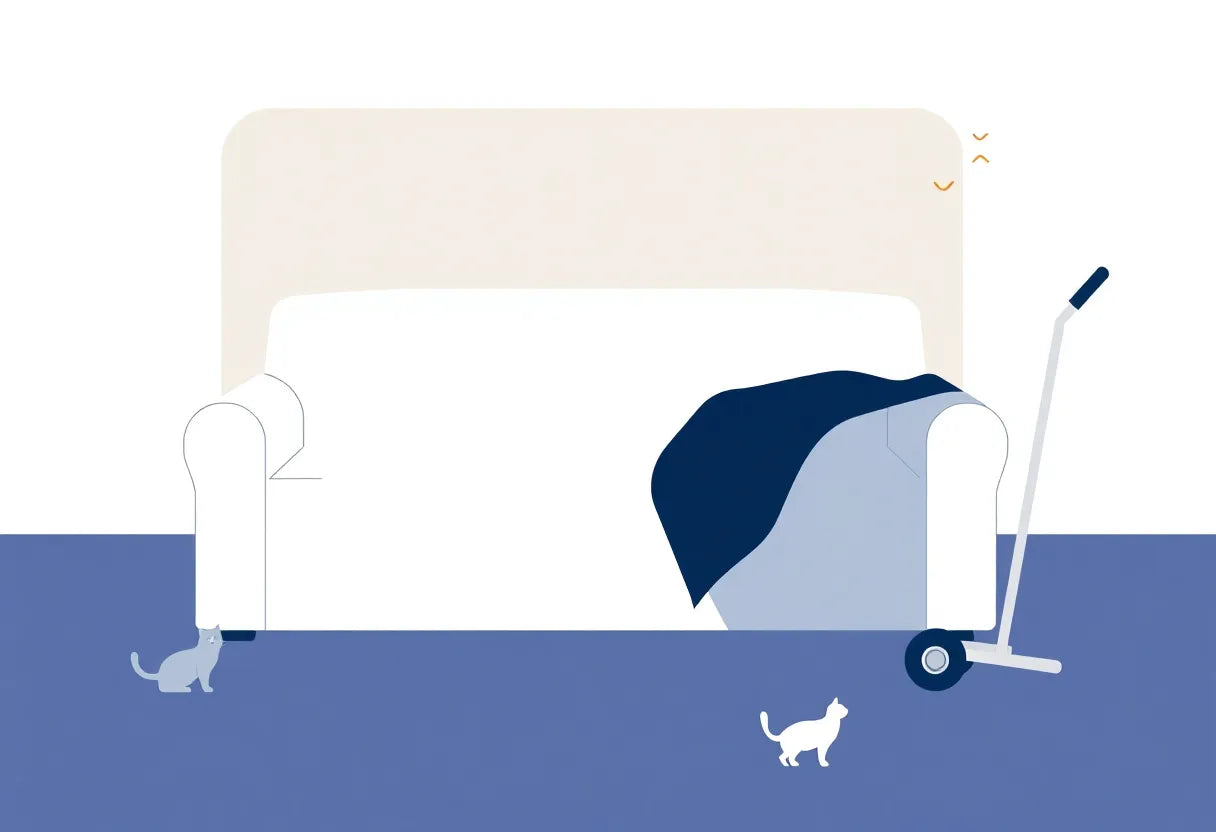
If you are juggling kids, pets, or a shared space, the “best” ventilation plan is the one you will repeat. A cover that is easy to take off, wash, and fully dry makes weekly airing out much more realistic. Here is a practical option for homes with pets and frequent messes: Pet-friendly protection that’s easy to remove and wash.
Next up, we will tackle the other half of the equation: a simple anti-humidity toolkit you can use this week to keep moisture levels from creeping back up.
The Anti-Humidity Toolkit (Simple Fixes You Can Do This Week)
If you have ever dealt with mold under sofa cover, the fastest way to stop repeat problems is to treat it like a mini home project: measure, reduce moisture, then keep air moving. The EPA and CDC both emphasize the same core rule for mold prevention: control moisture first, then improve ventilation. Here is a beginner-friendly checklist you can start this week to get sofa cover humidity under control.
1) Measure first (so you are not guessing)
What to do (10 minutes):
- Pick up an inexpensive digital hygrometer (many also show temperature).
- Place it near the sofa (not on a sunny windowsill or right by an air vent).
- Record humidity morning and evening for 3 days.
What you are looking for:
- A pattern, not one number. Humidity that stays elevated for days is what keeps fabrics from fully drying.
- Practical rule of thumb from general indoor mold guidance: aim to keep indoor humidity below 60 percent, and many homes feel best around 30 to 50 percent.
Actionable takeaway: If your readings stay high for days, prioritize dehumidification plus airflow before you worry about specialty sprays or “miracle” absorbers. This is the simplest answer to how to prevent mold on couch long-term.
2) Reduce moisture at the source (quick wins that really add up)
Before you buy more products, stop extra moisture from entering the room.
This week, focus on these habits:
- Run bathroom exhaust fans during showers and for 20 minutes after.
- Use the kitchen hood fan when boiling water or running the dishwasher.
- Vent your dryer outdoors (if it vents indoors or is poorly connected, it can spike humidity fast).
- Avoid drying laundry indoors near the sofa, especially in small living rooms, basements, or ground-floor spaces.
These changes sound basic, but they directly reduce the moisture that gets trapped between upholstery and a cover, which is exactly how mold under sofa cover starts in otherwise clean homes.
3) Dehumidify smart (target the problem rooms, maintain the machine)
If your sofa sits in a basement, on a ground floor, or along an exterior wall, a dehumidifier is often the most reliable fix for sofa cover humidity.
Simple setup:
- Place the dehumidifier in the same room as the sofa, ideally where air can circulate freely.
- Keep doors open (when possible) so damp air does not get trapped in one zone.
Maintenance that prevents “dehumidifier smell”:
- Empty the tank frequently.
- Clean the tank and filter according to manufacturer instructions. A neglected tank can start to smell musty, which is the last thing you want in a family living room or shared office.
Reality check: A dehumidifier works best when paired with the ventilation steps from the previous section. Think of it as removing moisture while airflow prevents pockets of dampness behind cushions.
4) Spot solutions (use moisture absorbers as backup, not the main fix)
Moisture absorbers can help in tight areas, but they are not a substitute for ventilation or dehumidifying.
Where they can help:
- Behind the sofa if it is close to an exterior wall
- Near corners that feel cooler
- In enclosed spaces where air rarely moves
How to use them safely:
- Treat them as a “just in case” layer while you fix the main cause.
- Check and replace them on schedule so they do not overflow or become ineffective.
Why this matters: If you rely only on absorbers, you can still end up with hidden damp fabric and recurring mold. That is a common reason people think their cover “caused” the problem, when the room humidity was the real driver.
5) Cleaning habits that prevent re-growth (especially after spills or washing)
This is the step most busy households miss, and it is a big one: mold loves anything that goes back on even slightly damp.
Your non-negotiables:
- Wash covers on a regular schedule (more often for pets, kids, or heavy use).
- Dry covers completely before putting them back on.
- After a spill or deep clean, let the sofa and cushions dry fully before re-covering.
If your home is spill-prone, choose protection that is easy to remove quickly and dry fast so dampness does not get trapped. For an extra layer of practical protection, see: Extra protection for spill-prone homes (water-resistant options). Water-resistant can be a lifesaver for families, but the key is still the same: do not reinstall any cover while the sofa or fabric is even a little damp.
Quick “Do This Week” checklist
- Track humidity morning and evening for 3 days with a hygrometer
- Run bath and kitchen fans consistently, and avoid indoor laundry drying near the sofa
- Use a dehumidifier in damp rooms, and clean the tank regularly
- Add moisture absorbers only as a backup in tight, enclosed zones
- Wash covers and fully dry them before reinstalling
With these steps, you are not just masking odor. You are removing the conditions that cause mold under sofa cover in the first place. Next, we will cover what to do if you already see mold, including safe cleanup steps and when it is smarter to call a professional.

If You Already Have Mold: Safe Cleanup (and When to Call a Pro)
Finding mold under a sofa cover feels alarming, but in many cases you can handle it safely if you move calmly and focus on two goals: remove the mold without spreading spores, and fix the sofa cover humidity problem so it does not come right back. The EPA is clear on the big idea: moisture control and safe cleanup go together, and ventilation matters throughout the process (see EPA guidance on mold and moisture control: https://www.epa.gov/mold).
First, a quick safety reset (especially with kids and pets)
Before you touch anything:
- Ventilate the room: Open windows if outdoor humidity is lower than indoors, and run a fan to move air out of the space (not directly blasting spores around your living room).
- Keep children and pets away until everything is fully cleaned and dried.
- Wear protection: gloves at minimum; consider an N95 or similar mask if you are sensitive.
- Do not dry-scrub visible mold on fabric. Dry brushing can send spores into the air and into seams.
If someone in your home has asthma, severe allergies, or is immunocompromised, skip ahead to the “Call a pro if…” checklist. The CDC highlights health risks and when extra caution is needed (CDC mold basics: https://www.cdc.gov/mold/).
Step-by-step cleanup you can actually follow
Think of this as a simple, family-proof workflow that reduces spread and protects your sofa.
Step 1: Remove the cover carefully and bag it
- Gently peel the cover off without snapping it.
- Bag it before carrying it through the house so spores do not shake off on rugs and hallways.
- Wash using the care label instructions. Use the warmest water the label allows.
- Dry completely (not “mostly dry”). Slight dampness is a common reason mold under sofa cover returns.
Step 2: Vacuum with HEPA if you have it (then discard/clean safely)
- If available, use a HEPA vacuum on the sofa surface, creases, and along seams.
- If your vacuum does not have HEPA filtration, vacuuming can still help, but go slowly and avoid aggressive passes that puff particles into the air.
- Empty the canister outside if possible, or seal debris in a bag immediately.
This is one of the most practical answers to how to prevent mold on couch after you have spotted it: remove the spores and the dust they feed on, then fix the moisture.
Step 3: Clean based on what material you are treating
-
Hard or non-porous parts (legs, frame areas you can reach, metal accents):
- Wipe with a cleaner appropriate for the surface.
- Follow label directions and let the surface dry fully.
-
Upholstery and fabric areas:
- Follow your sofa’s fabric care code and any manufacturer recommendations.
- Test any upholstery-safe cleaner on a hidden spot first (back skirt, under a cushion) and wait for it to dry before continuing.
- Use light pressure and blotting. The goal is to lift residue without soaking the cushion.
If you are unsure which cleaner is safe, default to the upholstery label guidance and the product label directions. Over-wetting is a major driver of sofa cover humidity, especially in dense cushions.
Step 4: Drying is non-negotiable (this is what stops regrowth)
Cleaning removes what you can see. Drying removes what mold needs to return.
Use a combined approach:
- Fan + dehumidifier in the same room for several hours.
- Stand cushions on edge to expose seams and hidden panels.
- If the sofa sits near an exterior wall, pull it out a few inches during drying for airflow.
A helpful rule of thumb from mold prevention guidance: if moisture is still present, the problem is not “done” yet. Drying is the finish line.
Replace vs save: how to decide on cushions and inserts
Sometimes the sofa looks better after cleaning, but the smell keeps coming back. That is usually a sign moisture and spores are still trapped inside.
Consider replacing foam or inserts if:
- Cushions still smell musty after full drying (fans and dehumidifier, not just air drying).
- Stains reappear quickly, even after cleaning.
- Foam feels damp deep inside or has visible spotting that returns.
Replacing a single insert can be far cheaper than trying to salvage heavily affected foam, and it prevents the musty cycle that keeps coming back under your cover.
Decision tree: DIY clean or call a professional?
Use this simple decision guide to protect your home and your time.
DIY cleanup is reasonable if:
- The affected area is small and localized.
- No one in the home has severe respiratory sensitivity.
- You can ventilate well and dry thoroughly.
- You can identify and fix the moisture source (spill, damp cover reinstalled too soon, poor airflow).
Call a pro if any of these are true:
- Mold covers a large area or has spread across multiple cushions.
- Mold returns fast after you clean and dry.
- You see structural dampness: wet wall behind the sofa, peeling paint, recurring condensation, or a damp floor.
- Anyone in the home has asthma, severe allergies, or a compromised immune system.
Professionals can also help confirm whether the real issue is room humidity, a hidden leak, or condensation behind furniture.
After cleanup: prevent the next flare-up (and protect the fabric)
Once everything is clean and fully dry, your next priority is prevention. Small fabric snags and worn spots can trap dirt and moisture more easily, especially in pet homes. If claws or rough play have been hard on your current setup, consider tougher options designed to reduce fabric damage that can hold onto dampness: Anti-scratch options for homes with pets https://frenchcovers.com/collections/anti-scratch-couch-covers
Next up, we will turn this into a simple, realistic maintenance habit with a 10-minute weekly plan that fits family schedules, pet messes, and high-traffic spaces so mold under a sofa cover does not become a recurring surprise.
Prevention Routine for Real Life: 10-Minute Weekly Plan (Families, Pet Owners, and Businesses)
You do not need a whole Saturday to prevent mold under sofa cover. What works best is a small, repeatable routine that tackles the three things mold loves: moisture, low airflow, and built-up dust. This is very much in line with EPA-style guidance: control moisture, improve ventilation, and clean routinely.
If you have been dealing with sofa cover humidity, use the plan below as your baseline, then adjust up during sticky weeks or in ground-floor rooms.
The 10-minute weekly reset (set a timer)
1) Create an airflow gap (1 minute)
Pull the sofa 2 to 4 inches away from the wall. This quick move reduces condensation risk, especially on cooler exterior walls, and it is one of the simplest answers to how to prevent mold on couch without buying anything.
2) Remove the cover and let it breathe (2 minutes active, 20 to 30 minutes passive)
Take the cover off and drape it over a chair or railing so air can move on both sides. Even if the fabric feels dry, trapped humidity can linger in seams and folds, which is exactly how mold under sofa cover can start.
3) Stand cushions up like books (1 minute)
Prop seat and back cushions upright on their long edge. This opens the hidden contact surfaces where moisture and warmth build up. It is one of our favorite ventilation tips for sofa because it works in any home layout.
4) Quick vacuum in the “mold zones” (5 minutes)
Use your vacuum upholstery tool and hit:
- Seat seams and piping
- Under the seat cushions
- The crease where the back cushions meet the frame
- The floor area under the sofa front edge (crumbs and pet hair hold moisture)
Dust, skin cells, and crumbs are food for mold. Keeping those areas clean reduces the chance that humidity turns into growth.
5) Put everything back only when it is truly dry (1 minute)
If you notice any damp feel or musty odor, extend the airing time and run a fan aimed behind the sofa. The goal is simple: no cover goes back on while moisture is still present.
Monthly routine (15 to 30 minutes, pick a consistent date)
Once a month, do a deeper reset to keep sofa cover humidity from creeping back in.
- Wash the cover following care instructions, and dry it fully before reinstalling. Many “mystery mold” situations start when a cover goes back on slightly damp after laundering.
- Wipe sofa frame and legs with a lightly damp cloth, then dry. This removes sticky residue that can trap dust.
- Check behind the sofa for condensation, damp baseboards, or a cool spot on the wall. If you see moisture, prioritize airflow and dehumidifying in that room.
Time-saving tip for busy homes and small businesses: rotate smaller pieces instead of taking down everything at once. Consider separate, washable components like Armrest and cushion covers for easy rotation and quicker washing so you can clean high-contact areas more often without disrupting the whole space.
Seasonal adjustments (because weather changes everything)
Mold prevention is not one-and-done. It is responsive.
- Rainy season or high-humidity weeks: increase airflow time (air out the sofa more often), use a dehumidifier longer, and keep the sofa slightly farther from exterior walls.
- Winter heating: indoor air can swing between dry and humid depending on your home and region. Watch for condensation on windows and cold walls, then increase circulation behind furniture as needed.
If you have a hygrometer from the earlier sections, this is where it earns its keep. When readings stay elevated for days, that is your cue to level up ventilation and moisture control before musty smells return.
High-traffic spaces (coworking, boutiques, waiting areas)
Shared spaces need a system, not a hero.
- Assign a simple schedule: weekly 10-minute reset, monthly wash, and seasonal humidity check.
- Keep a spare washable cover on hand so you can rotate immediately if one needs washing or extra drying time. Fast swaps reduce downtime and reduce the chance of reinstalling a cover that is not fully dry.
Design-conscious tip (lint hiding without looking sloppy)
If you live with pets or dark jeans on light upholstery, pick colors and textures that stay polished between cleanings:
- Mid-tones, heathered weaves, or subtle patterns help disguise lint and pet hair
- Tighter weaves tend to look cleaner longer while still feeling tailored
This keeps your living room or client-facing space looking intentional, while your routine quietly prevents mold under sofa cover.
Printable checklist (copy, screenshot, or stick on a fridge)
Weekly (10 minutes)
- Pull sofa 2 to 4 inches from wall
- Remove cover to air out
- Stand cushions upright for airflow
- Vacuum seams, under cushions, and floor under sofa
- Re-cover only when everything is fully dry
Monthly
- Wash cover
- Dry completely before reinstalling
- Wipe frame and legs, then dry
- Check behind sofa for condensation or damp spots
Seasonal
- Increase dehumidifier use and airflow during humid weeks
- Re-check placement near exterior walls and vents
This routine bridges everything we covered earlier: ventilation plus moisture control plus cleaning. Next, we will wrap it all up with a simple set of “do this first” priorities so you can prevent the musty smell from coming back and keep your sofa looking fresh week after week.

That musty smell under your sofa cover is more than an annoyance; it’s a signal that trapped moisture and poor airflow are at work, even in the cleanest homes. By now, you know the three key drivers and have a clear, actionable plan to tackle them. From creating a simple air gap behind your sofa to establishing a 10-minute weekly reset, you have all the ventilation tips for sofa and anti-humidity strategies you need to protect your furniture and your family’s comfort. The real win isn't a one-time clean; it’s building habits that keep sofa cover humidity low and your living space fresh.
You have the knowledge to stop mold before it starts. Now, take the next step. Stop the musty smell before it comes back—measure your humidity today, then choose an easy-to-wash, protective cover solution you can remove and dry fast to keep your sofa fresh this week. Your home is your sanctuary, and with these simple, design-conscious routines, you can keep it feeling clean, healthy, and beautifully lived in.
FAQ: Keeping Sofa Covers Fresh, Dry, and Mold Free
Mold under sofa cover issues usually come down to trapped moisture, limited airflow, and drying shortcuts after spills or cleaning. Below are quick, family friendly answers pulled from the article’s key points on sofa cover humidity, better airflow, and simple routines that protect premium fabrics and everyday family couches alike.
Q: Can a sofa cover cause mold, or does it just reveal a problem that was already there?
A: A cover rarely creates mold from nothing, but it can trap sofa cover humidity and reveal a damp cushion or room issue, leading to mold under sofa cover. The article highlights airflow and moisture control as the real drivers, so start with ventilation and dryness checks. See Causes of Mold Under a Sofa Cover and Better Ventilation Tips.
Q: How often should I remove a sofa cover to let the couch breathe?
A: For most homes, the article recommends regular “breathing” time, especially in humid seasons or busy pet and kid zones, to support how to prevent mold on couch. Aim to lift or remove the cover weekly for 1 to 2 hours, and more often if the room feels damp. See Better Ventilation Tips for Sofa and Anti Humidity Routine.
Q: What’s the fastest way to dry a sofa and cover after cleaning or a spill?
A: Blot first, then separate layers: remove the cover, stand cushions on edge, and run a fan with a window cracked to reduce sofa cover humidity quickly. The article stresses that drying speed plus airflow is key to avoiding mold under sofa cover after wet cleaning. See Must Know Anti Humidity Tips and Ventilation Tips for Sofa.
Q: Is it safe to clean mold from upholstery at home if I have kids or pets?
A: Small surface spots may be manageable, but the article cautions that mold plus soft upholstery can spread spores, so keep kids and pets out of the area and prioritize ventilation. If the smell persists or the patch keeps returning, it is safer to consult a pro to fully address how to prevent mold on couch. See When to DIY vs Call a Pro and Causes.
Q: Will a waterproof sofa cover trap moisture and make mold worse?
A: It can if moisture is already present, because waterproof layers may hold in sofa cover humidity and increase the risk of mold under sofa cover without airflow. The article recommends pairing waterproof protection with ventilation tips for sofa like regular airing and fully drying after spills. See Waterproof vs Breathable Covers and Better Ventilation Tips.