Ever lifted a sofa cover and found a damp patch or that musty smell? It can happen fast in busy homes, pet friendly spaces, and even stylish coworking lounges, especially when air cannot circulate.
The tricky part is you want real protection from spills, fur, and daily wear, without trapping moisture that leads to sofa condensation and stains. If you own premium or vintage pieces, that risk feels even bigger.
In this guide, you will learn how a breathable sofa cover, also called a breathable couch cover, helps prevent mold on sofa while still looking polished and design ready. You will also see what to look for in fabrics, fit, and care so your space stays fresh and inviting.
First, let’s break down why mold and moisture build up under typical covers.
Why Mold and Condensation Happen Under Sofa Covers
If you have ever wondered how a sofa can feel slightly damp even when no one spilled anything, the answer is usually trapped humidity. Mold does not start with a “big mess.” It often starts with invisible moisture that cannot escape, then settles into fabric, seams, and cushion cores over time.
The simple science: why covers can create sofa condensation
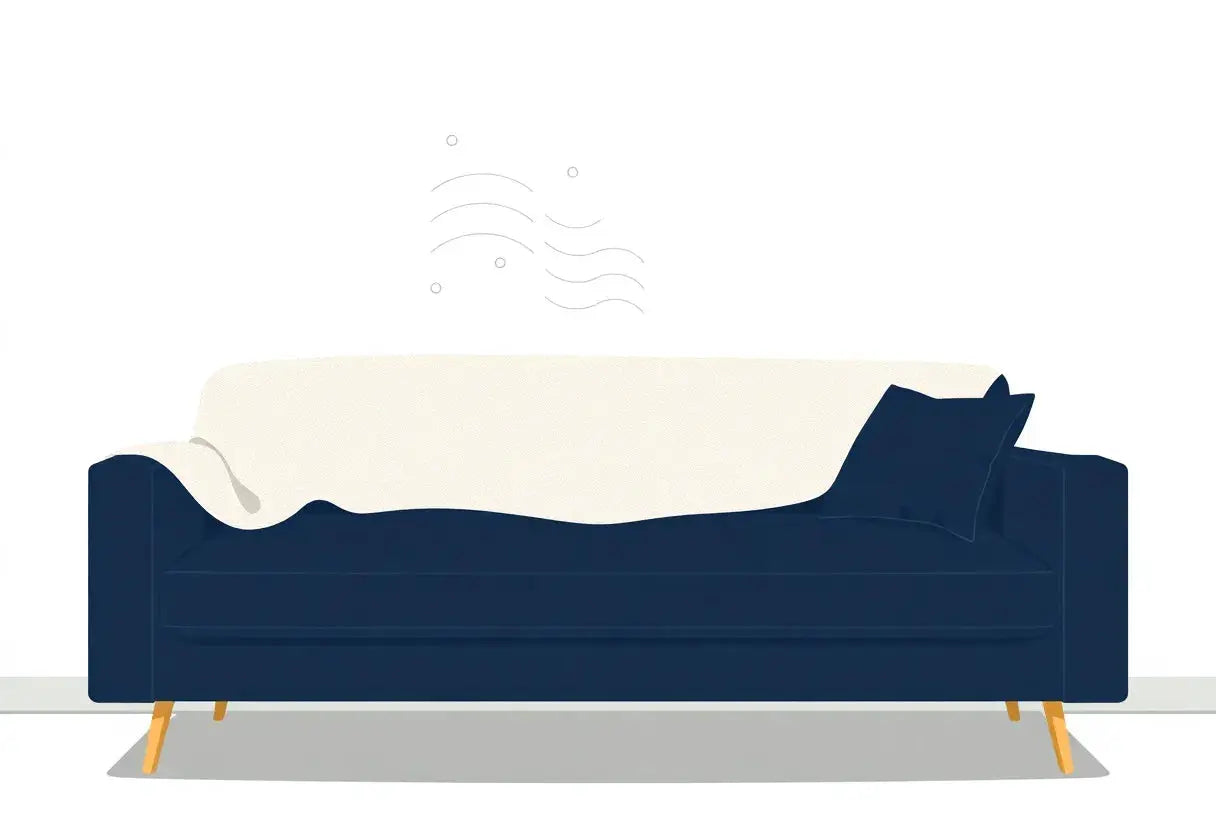
Condensation happens when warm, moisture-filled indoor air touches a cooler surface and water droplets form. Think about a cold drink on a summer day: the outside of the glass “sweats” because warm air hits a cold surface and releases moisture. Your sofa can experience a similar effect.
Here is how it plays out in real homes and offices:
- Your room air carries moisture from everyday life (cooking, showers, pets, people, even plants).
- Your sofa fabric and cushions can be cooler than the air, especially near an exterior wall, in a basement, or under air conditioning.
- If a cover acts like a barrier, moisture vapor cannot evaporate easily.
- That trapped dampness becomes sofa condensation under the cover, creating the perfect environment for mildew and mold.
This is why a breathable sofa cover (or breathable couch cover) matters: it is designed to let moisture vapor move out instead of sealing it in.
For general guidance on moisture control and mold prevention, the EPA and CDC both emphasize managing dampness and improving ventilation as first-line steps:
- EPA mold resources: https://www.epa.gov/mold
- CDC mold information: https://www.cdc.gov/mold/
Common risk factors that make trapped moisture more likely
Some rooms are basically “high humidity zones,” even if they look clean and well kept. You are at higher risk of moisture buildup under covers when you have:
- A humid climate, coastal air, or long rainy seasons
- Basement living rooms, garden-level units, or rooms with poor airflow
- A sofa placed tight against an exterior wall (cool surface plus limited ventilation)
- Windows that stay shut often, or a room that is rarely used
- Laundry drying indoors (a big hidden source of humidity)
- Small businesses and coworking spaces with lots of bodies in a compact area and HVAC that cycles on and off
Actionable tip: If any of the above apply, treat “breathability” as a must-have feature, not just a nice-to-have. A protective cover should guard against wear without creating a moisture trap. If you are browsing options, start here: Shop sofa and couch covers.
Early warning signs: catch it before it becomes a cleanup project
Mold tends to announce itself quietly at first. Check under your cover if you notice:
- A musty smell that returns soon after cleaning the room
- Fabric that feels clammy, especially on the back cushions or along seams
- Dark specks or faint shadowy patches (often first seen on lighter fabrics)
- Cushions that feel a little heavier or “cool damp” to the touch
Family-friendly habit: Make it a quick monthly check when you change pillow covers or tidy up. Lift one corner of the cover and feel the upholstery beneath. It takes 20 seconds and can save your sofa.
Why it matters: more than just an odor
When moisture sits against upholstery, the cost is not only aesthetic:
- Mold and mildew can weaken or discolor fibers, especially on premium or vintage fabrics
- Odors can settle into cushion foam and become hard to remove
- Cleaning becomes more frequent and more expensive (and harsh cleaning can wear fabric faster)
- In shared spaces, a musty couch smell can make a room feel less welcoming, even if everything looks polished
The good news is that you do not have to choose between protection and freshness. Next, we will look at what actually makes a cover “breathable,” plus what to avoid if you want to prevent mold on sofa without giving up a tailored, design-conscious look.

What Makes a Sofa Cover ‘Breathable’ (and What to Avoid)
If Section 1 made you think, “Yes, that sounds like what is happening in my living room,” this is the fix: choose a cover that lets moisture escape instead of sealing it in. A breathable sofa cover is designed for two jobs at once: protection on the surface, plus airflow through the fabric so humidity does not get trapped and turn into sofa condensation.
What “breathable” really means (in plain English)
Breathability is a combo of:
- Airflow: tiny pathways in the fabric let air move between the cover and upholstery.
- Moisture vapor escape: everyday humidity from people, pets, cooking, heating and cooling can pass through and dissipate, instead of collecting underneath.
A quick way to picture it:
A sealed rain jacket keeps you dry from outside water, but it can leave you sweaty inside. A breathable sports jacket still protects, but it vents heat and moisture. A breathable couch cover works more like the sports jacket, especially helpful in basements, coastal homes, or rooms where you are actively trying to prevent mold on sofa.
Material cues to look for when shopping
You do not need a lab test to make a smart choice. Use these cues as your buyer’s guide:
- Textured woven fabrics (visible weave): If you can see and feel a structured weave, there is usually more natural ventilation than in smooth, film-like materials.
- Stretch knits: Many knits breathe well because of their construction and flexibility, which helps them sit comfortably without sealing every inch of the sofa.
- Performance fabrics with a balanced finish: Some “performance” textiles are engineered to resist everyday mess while still allowing moisture vapor to pass through. Look for language like breathable, ventilated, moisture-managing, or airflow rather than only waterproof.
If pets are part of your daily life, also consider fabrics that handle claws and zoomies without turning into a snagged mess. For that use case, see Anti-scratch protection for pets and daily wear: https://frenchcovers.com/collections/anti-scratch-couch-covers
Fit matters more than most people realize
Even the right fabric can underperform if the fit creates moisture pockets.
- Too tight: A cover stretched drum-tight can reduce airflow because it presses flat against the upholstery, limiting the tiny air gap that helps moisture dissipate.
- Too loose: Extra fabric can bunch and create little “humidity tents” where warm air collects, then cools and condenses. That is an easy path to musty odors.
Best practice: Aim for a smooth, tailored fit that is snug enough to stay put, but not so tight that it compresses cushions or eliminates all breathing room.
What to avoid in damp rooms (unless you have a ventilation plan)
If you are dealing with a humid climate, a basement family room, or a sofa placed near an exterior wall, be cautious with:
-
Fully non-breathable, plastic-like waterproof layers used with no strategy for ventilation
These can trap moisture from normal indoor life. The result is often more sofa condensation, not less.
This is the common trap: a cover can be “protective” from spills and still be a poor choice for moisture. Protection is not only about blocking liquid from above. It is also about preventing what happens underneath.
The smart compromise: spill protection without sealing in moisture
If you need real-world spill defense (kids, movie nights, pets, coffee at your coworking lounge), use a two-part approach:
- Choose a breathable top layer as your primary visible cover (comfort + airflow + style).
- If you add a water-resistant layer, make sure it is not trapping moisture long-term. Pair it with regular airing-out (even 30 to 60 minutes weekly can help), and never put anything back on the sofa if it is even slightly damp.
This approach is especially helpful for homes that have already noticed musty smells and want to prevent mold on sofa without giving up a polished, design-conscious look.
Screenshot-ready checklist: Is this cover likely to breathe?
Use this quick list while you shop:
- Fabric has a visible weave or textured knit
- Product description mentions breathable, airflow, moisture release, or similar
- Cover can be installed smoothly without extreme stretching
- No fully sealed, plastic-like backing (or you have a plan to air out regularly)
- Care is realistic for your life: washable, quick to dry, easy to remove
Next, let’s match breathable cover choices to real households and spaces, including busy families, pet owners, décor-focused homes, and vintage or premium sofas, so you can pick the right option with confidence.
How to Choose the Right Breathable Cover for Your Home (Family, Pets, Décor)
Now that you know what makes a cover truly breathable (and what can accidentally trap moisture and trigger sofa condensation), the next step is choosing a breathable sofa cover that fits how your household actually lives. The goal is simple: protect the upholstery while keeping airflow moving so you can help prevent mold on sofa, even when life gets busy.
Use the mini framework below to pick your top priority, then match it to the right features.
Pick Your Priority (Quick Decision Table)
| Your priority | What to look for in a breathable couch cover | Why it helps |
|---|---|---|
| Breathability | Textured weaves, knit structures, airflow friendly construction; avoid fully sealed plastic-like layers | Lets moisture vapor escape instead of sitting against the sofa fabric, reducing condensation risk |
| Washability | Machine-washable fabric, simple care instructions, colorfast dye | Makes it realistic to clean after spills, sticky fingers, and everyday build up |
| Pet resistance | Snag-resistant material, tighter weave, secure tucking or straps, hair-friendly texture | Reduces pulls from nails, shifting from zoomies, and the constant fur halo |
| Tailored look | Precise sizing, clean seams, structured drape, minimal bunching | Keeps the room polished for guests, clients, or simply your own calm |
| Budget | Prioritize the feature you need most, then simplify the rest (for example, choose a classic color, fewer extra pieces) | Prevents overbuying and helps you invest where it matters for your home |
Tip: If you live in a humid area or your sofa sits on an exterior wall, make Breathability your non-negotiable. Even the prettiest cover cannot do its job if it traps damp air.
If You Have a Busy Family (Kids, Snacks, Movie Nights)
Choose a breathable sofa cover that is easy to live with, not just easy to admire.
- Go machine-washable first. A cover that can be washed quickly is the one you will actually clean before odors settle in.
- Prioritize easy install. If it takes 30 minutes to wrestle back on, you will skip the regular refresh that keeps moisture from lingering.
- Pick mid-tones and textured weaves. Think soft taupe, warm gray, denim blue, or heathered neutrals. They hide tiny marks between washes without looking heavy.
Actionable routine: keep a simple rhythm, spot clean as needed, then wash on a predictable schedule (many families do every 2 to 4 weeks, more during illness season or heavy use). Always re-cover only when fully dry to avoid sealing in dampness.
If You Have Pets (Hair, Claws, and Cozy Nap Spots)
Pet homes need two things at once: airflow and durability. Look for a breathable couch cover with structure, then reinforce it with smart add-ons.
- Choose snag-resistant materials. Tighter weaves and performance knits tend to handle paws better than loose, delicate textures.
- Look for secure tucking or straps. A cover that shifts can bunch up and create little pockets where humid air sits.
- Pick a pet-hair-friendly surface. Some textures release hair more easily with a quick pass of a roller or brush.
Fast refresh tip: keep a lint roller in a basket near the sofa for a 60-second reset before guests arrive. For extra help with visible hair on top of the cover, layer with a throw designed to resist clinging fur: Pet-friendly throws that reduce visible hair.
If You Love Décor (Style Rotation Without the Stress)
Breathable protection can still look elevated. In fact, a cover is one of the easiest ways to keep a living room feeling intentional while protecting the sofa underneath.
- Use covers to rotate seasonal palettes. Lighter neutrals for spring and summer, richer mid-tones for fall and winter.
- Lean into French-inspired neutrals. Cream, flax, stone, and soft gray read calm and elegant, and they pair beautifully with wood, brass, and natural textures.
- Coordinate with pillow covers. Choose one anchor color for the cover, then pull two accent colors into pillows for a finished look.
Design-conscious note: If you are worried a protective cover will look casual, focus on fit and drape. A smoother, well-sized cover looks far more tailored than a fancy fabric that bunches.
If You Own a Premium or Vintage Sofa (Protect the Fabric Gently)
With heirloom pieces, protection should never come at the cost of abrasion or residue.
- Prioritize gentle, non-abrasive contact. Soft, breathable fabrics are kinder to delicate upholstery fibers over time.
- Get precise sizing. Too tight can reduce airflow and strain seams. Too loose can rub and shift.
- Avoid sticky backings. Adhesive or tacky layers can pull fibers and may trap moisture against the original fabric, raising the risk of sofa condensation in humid rooms.
If your goal is to prevent mold on sofa for a valuable piece, think of the cover as part of a whole system: breathable material plus occasional airing out. We will cover those simple habits next.
If You Run a Small Business or Coworking Space
You need protection that holds up to high traffic and still looks professional.
- Choose durable, easy-clean fabric. Frequent light cleaning beats rare deep cleaning, especially in shared spaces.
- Aim for a tailored look. Clean lines signal care and quality, which matters for client-facing seating.
- Stick to practical color choices. Mid-tones and subtle texture help seating look fresh throughout the day.
Pro tip for shared seating: consider keeping an extra cover set on hand. Quick swaps help maintain a polished look without closing off the seating area for long.
Once you have chosen the right breathable sofa cover for your lifestyle, the final piece is simple upkeep. Next, we will walk through quick habits that keep any covered sofa fresh, including a 5-minute weekly reset that makes a real difference.

Simple Habits That Keep Any Covered Sofa Fresh (5-Minute Maintenance)
You have already done the “big” part by choosing a breathable sofa cover that lets moisture escape instead of sealing it in. The next step is keeping airflow consistent so humidity from daily life does not turn into sofa condensation under the fabric. The good news: this is not a complicated cleaning project. It is a small, repeatable routine that fits real family schedules and busy shared spaces.
1) Air it out once a week (30 to 60 minutes)
Even a breathable couch cover can hold a little warmth and moisture after movie nights, naps, pets curled up, or a busy day of people sitting and standing. A simple weekly airing breaks that cycle.
- Loosen the cover (or remove it completely) and let cushions “breathe” for 30 to 60 minutes.
- If you can, open a window in the room or run a fan for gentle circulation behind and around the sofa.
- Pay extra attention after rainy days, heavy cooking days, or when the heat or AC has been running a lot.
Family-friendly tip: Pair this with a weekly reset you already do, like changing sheets or watering plants. It takes the same amount of time, but it helps prevent mold on sofa before it ever starts.
2) Vacuum and brush weekly (2 minutes that makes a big difference)
Dust, crumbs, and pet dander do more than look messy. They can also hold humidity and odors close to the upholstery, which makes musty smells more likely over time.
- Use your vacuum upholstery tool across the cover, especially seat seams and the backrest crease.
- For pet homes, do a quick brush or lint pass first so the vacuum can actually lift what is trapped.
- If your cover has texture (great for breathability and style), vacuuming keeps that weave open instead of packed down with dust.
This step is small, but it supports what breathable fabric is designed to do: keep air moving and moisture from lingering.
3) Do a quick humidity check (no guessing)
If you are battling dampness, the fastest way to get ahead of sofa condensation is to stop guessing and get a simple reading.
- Use a small hygrometer (many are inexpensive) and keep it near the living room or lounge seating.
- Aim for a comfortable indoor range. Many homes feel best around 30 to 50% relative humidity.
- If readings regularly climb higher, run a dehumidifier, increase ventilation, or adjust habits like drying laundry indoors.
For general ventilation and moisture control basics, Energy.gov has a clear overview you can use to sanity-check your plan: https://www.energy.gov/energysaver/ventilation
4) Placement matters: leave breathing room behind the sofa
One of the most overlooked causes of moisture buildup is where the sofa sits, not just what it is covered with. When a couch is pushed tightly against a cold exterior wall, warm room air can cool quickly in that pocket, encouraging condensation.
Try this:
- Leave a small gap (even a few inches) between the sofa and any exterior wall.
- If the sofa must sit there, improve airflow: a low, quiet fan for 15 minutes a day can help, or redirect a vent so air circulates behind the couch.
- In basements or coastal homes, this is especially helpful during wet seasons.
Design-conscious note: A little space behind the sofa often makes the room look more intentional too, less “pushed up against the wall,” more curated.
5) Wash on a routine, and fully dry before re-covering
A washable cover is only as fresh as its drying habits. Re-covering while seams or thicker sections are still damp is one of the quickest ways to seal moisture in and invite odor or mildew.
- Follow the care label closely for wash temperature and drying instructions.
- Do not rush re-installation. Make sure the cover is fully dry, including piping, elastic edges, and seams.
- If your home runs humid, consider air-drying with a fan nearby, or use a dryer cycle that fully finishes the job without overheating the fabric.
High-touch zones (armrests and seat cushions) often need cleaning first, especially in family rooms and coworking spaces. If you want targeted protection that is easy to rotate and wash, consider adding separate pieces for those areas: Armrest and cushion cover options for high-touch zones
Two ready-to-use routines (pick what fits your life)
Weekly “Reset” for families and pet homes (5 minutes active time)
- Loosen or remove the cover for 30 to 60 minutes while you tidy.
- Quick vacuum over seats, seams, and armrests.
- Check the hygrometer reading and adjust ventilation if needed.
Monthly “Deep Refresh” for offices and coworking spaces (15 to 20 minutes active time)
- Remove covers and vacuum the sofa itself (including creases).
- Wash covers and confirm full drying before re-covering.
- Wipe nearby surfaces and check for humidity sources (wet umbrellas, plants, mop closets too close to seating).
These habits connect directly to what we covered earlier: breathability is not just a fabric choice, it is an airflow routine. Next, if you have already noticed a musty smell, we will walk through quick troubleshooting steps to fix it safely and fast.
Quick Troubleshooting: If Your Sofa Cover Already Smells Musty
A musty smell is your early warning sign that moisture has been trapped and that sofa condensation may already be happening under the fabric. The good news: in many homes, you can fix it quickly by drying everything thoroughly and removing the humidity source. Use this simple checklist to reset your space, then you can go back to enjoying the protection and polish of a breathable sofa cover or breathable couch cover without that damp, stale odor.
1) Reset immediately: remove, ventilate, dry
- Take the cover off right away. Leaving it on keeps moisture sealed against upholstery fibers.
- Open windows and run airflow for at least 30 to 60 minutes. Add a fan pointed across (not directly at) the sofa to move humid air away.
- Separate and stand cushions on edge so air can reach all sides. If you can, unzip cushion covers to speed drying.
- Do not re-cover until everything feels fully dry to the touch, including the seams and piping where moisture hides.
Family tip: If kids or pets lounge on the sofa daily, make this a quick “after bath time” or “after rainy day” routine. Moisture often comes from wet hair, damp clothing, or muddy paws sitting on the cover.
2) Wash the cover, then confirm it is truly dry (including seams)
Even the best breathable couch cover will smell off if it goes back on slightly damp.
- Wash the cover per the care label using a normal detergent. Avoid heavy fragrance boosters that can mask the odor instead of removing it.
- Dry it completely. Seams, elastic edges, and thicker hems hold water longer than the main fabric.
- Simple check: if any area feels cool or heavier than the rest, keep drying. That “cool” feeling can be leftover moisture.
If you are shopping for or switching to a breathable sofa cover, this is also the moment to confirm your cover is not overly tight. A little room for airflow helps moisture vapor escape instead of collecting underneath.
3) Hunt down the hidden humidity source (the smell will come back if you do not)
Musty odor often returns when the room keeps feeding moisture into the sofa area. Check these common culprits:
- Damp basements or ground-floor rooms: consider a dehumidifier and keep doors open when possible.
- Wet shoes, raincoats, or gym bags near the sofa: move them to an entry mat or closed storage.
- Indoor plants too close to the couch: soil and watering can raise local humidity right where the cover sits.
- A closed-up room: even a breathable cover needs air movement in the space. Crack a door, run the HVAC fan setting, or use a small circulating fan.
If you want a quick number to aim for, many households find comfort and fewer moisture issues when indoor humidity stays moderate. A small hygrometer can help you spot spikes that lead to sofa condensation.
4) If you see visible mold: follow safety guidance first
If you spot dark specks, fuzzy growth, or spreading patches, treat it as mold rather than “just smell.”
- Follow reputable safety steps from the EPA mold resources (https://www.epa.gov/mold) and CDC mold guidance (https://www.cdc.gov/mold/) for cleanup and health precautions.
- Avoid dry brushing or aggressive vacuuming on visible mold. That can spread spores into the air.
- Keep children and pets away from the area until cleanup is complete and everything is dry.
When to call a pro (especially for premium or vintage upholstery)
Consider professional cleaning or remediation if:
- Mold covers a larger area, keeps returning, or you smell it even after drying.
- The sofa is vintage, delicate, or high-value (velvet, antique weaves, specialty fills) where DIY products can stain or weaken fibers.
- Anyone in the home has asthma, allergies, or sensitivity to mold.
Once the sofa is clean, dry, and neutral-smelling again, the next smart move is to protect the rest of your seating with the same breathable, easy-care mindset. Protect more seating with chair and seat covers: https://frenchcovers.com/collections/chair-seat-covers

Protecting your sofa from daily wear doesn't have to mean sealing in the moisture that leads to musty odors and mold. You’ve learned how a breathable sofa cover allows air to circulate, preventing that trapped humidity and sofa condensation that can damage both your furniture and your peace of mind. By choosing breathable couch cover materials and following a simple weekly routine, you can create a fresh, healthy environment for your family and pets while keeping your space looking polished and intentional.
That’s the real win: you don’t have to choose between protection and style. Want a sofa that stays fresh and looks pulled together? Browse FrenchCovers breathable, easy-care options today and choose a fit that protects your couch without trapping moisture. Because a beautiful home is one that breathes, right along with you.
FAQ: Breathable Covers, Mold Prevention, and Everyday Care
Choosing a breathable sofa cover should feel like an easy win: protect your seating, keep your home looking polished, and reduce moisture issues that lead to odor or damage. Below are quick, practical answers pulled from the article’s core guidance on airflow, fabric choice, and placement tips to help prevent mold on sofa and reduce sofa condensation without sacrificing style.
Q: Do breathable sofa covers really prevent mold, or do I still need to ventilate? A: A breathable couch cover helps prevent mold on sofa by letting moisture escape instead of trapping it, which the article highlights as the key to reducing sofa condensation. You still want basic ventilation, especially in humid rooms or tight corners, since airflow and placement work together. See Why Breathability Matters and Anti Mold Setup Tips.
Q: What’s the difference between waterproof and breathable couch covers? A: Waterproof covers block liquid, but they can also trap humidity, which can increase sofa condensation in daily use. The article recommends a breathable sofa cover when mold risk is the concern because airflow helps prevent mold on sofa while still protecting from dust, pets, and everyday wear. See Waterproof vs Breathable and Material Guide.
Q: How often should I wash a sofa cover if I have kids or pets? A: The article’s family focused rule of thumb is to wash on a regular rhythm and spot clean in between, since crumbs, dander, and spills can hold moisture and odors. With a breathable couch cover, keeping it clean also supports airflow and helps prevent mold on sofa over time. See Care and Cleaning and Pet and Kid Proof Tips.
Q: Can a sofa cover damage leather, velvet, or vintage upholstery? A: It can if it traps moisture or rubs too aggressively, which is why the article points to gentle, breathable materials and proper fit for premium or vintage pieces. A breathable sofa cover reduces sofa condensation against delicate upholstery, helping prevent mold on sofa and minimizing moisture related staining. See Covers for Leather, Velvet, and Vintage and Fit and Friction Checklist.
Q: How do I stop condensation if my sofa sits against an exterior wall? A: The article recommends creating a little breathing room behind the sofa and choosing a breathable couch cover so moisture can escape instead of collecting as sofa condensation. If possible, reduce humidity in the room and avoid pushing cushions tight to cold surfaces, especially in winter. See Exterior Wall Condensation Fixes and Room Humidity Tips.