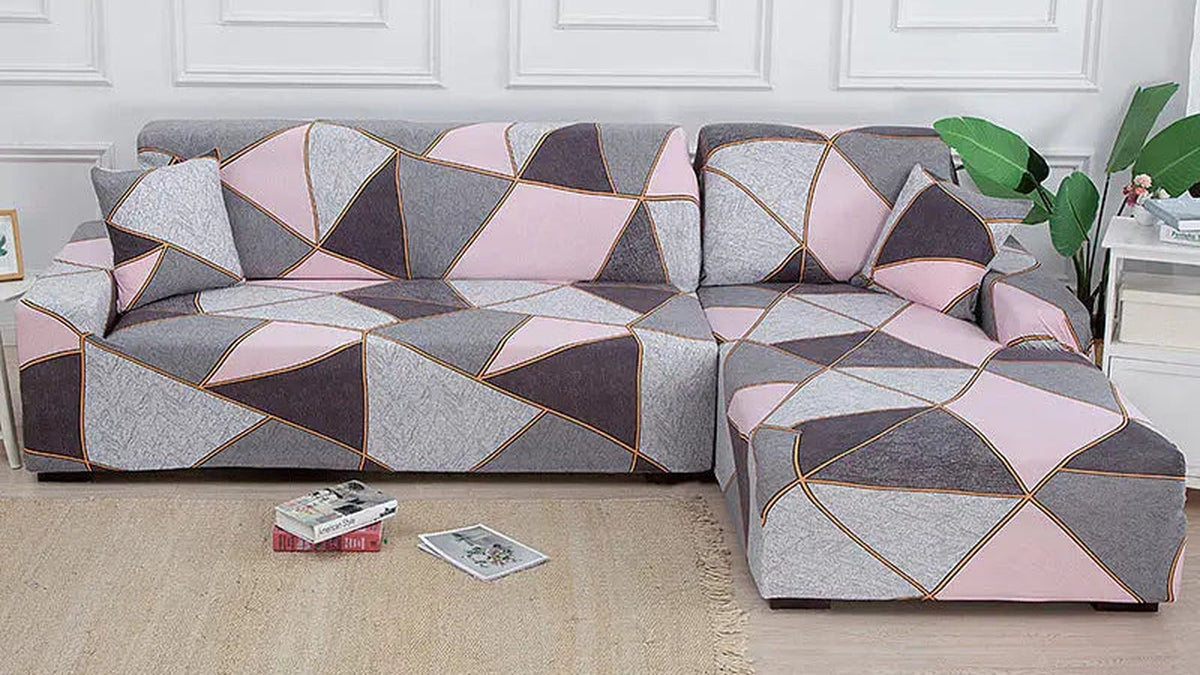
Ever walked into the living room and caught that damp, musty smell on your sofa? It can happen fast, especially with kids, pets, and busy days where spills and wet paws are just part of life.
If you love your home’s look but hate worrying about stains, odors, and humidity, you are not alone. The right anti-mildew sofa cover keeps your couch fresh while still looking polished. In this guide, we will show you how a mildew resistant couch cover can protect premium, vintage, or everyday seating without feeling bulky or boring.
You will also learn what to look for in a washable sofa cover that is pet friendly, waterproof, and even an anti scratch couch cover for extra peace of mind.
First, let’s break down what “anti-mildew” really means and why it matters for your sofa.
What “Anti-Mildew” Really Means (and Why It Matters on a Couch)
When a product says anti-mildew sofa cover, it is easy to picture a “set it and forget it” solution. In real homes, anti-mildew protection is more practical than magical: it is about reducing the conditions mildew needs to grow, so your sofa stays fresher between washes and weather changes.
Mildew vs. mold (simple, sofa-friendly definition)
- Mildew is a surface-level fungus that thrives when there is moisture + low airflow. On couches, it often shows up as a musty smell, faint discoloration, or small spots near seams and piping where fabric dries slowly.
- Mold tends to be deeper and more stubborn, and it is more likely to spread when dampness is ongoing.
In day-to-day terms: if your couch gets that “rainy basement” smell after a wet week, you are usually dealing with mildew conditions first.
For the best prevention baseline, many home comfort guides commonly cite 30–50% relative humidity (RH) as a typical indoor comfort range. When your living room regularly climbs above that, especially in coastal homes, rainy seasons, and basement apartments, upholstery becomes a much easier target. The EPA also emphasizes moisture control and humidity management as key steps to prevent mold and mildew in the home: EPA guidance on mold and moisture control at home.
Why couches are a mildew magnet (especially in family life)
Sofas quietly collect moisture because they are soft, layered, and often placed where air does not move much. Common triggers we see in busy homes include:
- High humidity + closed windows (rainy weeks, coastal air, basement living rooms)
- Damp clothing and towels tossed over the armrest after sports, showers, or swims
- Pets coming in wet, then hopping right up for a cuddle (adorable, but damp fur holds moisture in the fibers)
- Poor ventilation behind the sofa, especially when it is pushed against an exterior wall
- Spills that soak in (juice, milk, dog bowl splashes) and dry slowly inside cushion seams
This is exactly why choosing a mildew resistant couch cover is not just about cleanliness. It is about protecting the investment you sit on every day, whether it is a premium sectional, a vintage loveseat, or the family couch that has to survive everyone’s routines.
What “anti-mildew” claims really come from (and what they do not)
A true anti-mildew setup usually includes some combination of:
-
Mildew-resistant fabric choices
Tighter weaves and performance textiles can make it harder for moisture and residue to settle in. -
Quick-dry, breathable construction
Breathability matters because trapped dampness is the real enemy. A cover that dries faster is often a better partner in humid homes than one that holds onto moisture. -
Moisture barriers (when you need them)
If your main issue is spills or frequent wet-paw moments, pairing mildew resistance with a waterproof sofa cover can help stop liquids from soaking into the sofa itself. For homes where spills are the daily headline, see: Waterproof protection for spill-prone homes. -
Proper care and “dry first” habits
No cover, not even the best washable sofa cover, can prevent mildew if moisture stays trapped underneath. Think of the cover as a protective layer, and your routine as the system that keeps everything fresh.
Also, for pet households: a pet friendly couch cover that is easy to remove and wash is a big win, and if claws are part of the picture, an anti scratch couch cover helps prevent tiny snags and damage where moisture can cling and linger.
Quick checklist: is mildew trying to move in?
Use this mini check before you blame your detergent or assume your sofa “just smells”:
- Smell test: Does the sofa or cover smell musty, especially after a rainy day or overnight?
- Seams and edges: Do you see small spots or faint discoloration along seams, piping, or under cushions?
- Damp feel: Does the cover feel slightly damp or cool to the touch even hours after a spill or pet nap?
- Condensation clues: Do you notice frequent window condensation in the same room?
- Placement red flags: Is the sofa near a humidifier, right under an AC vent, pressed against a cold exterior wall, or tight to heavy curtains that block airflow?
If you checked even one or two of these, you are not failing at housekeeping. You are simply seeing moisture dynamics at work, and the fix is usually straightforward.
Next, we will turn this understanding into a smart shopping plan: how to choose an anti-mildew sofa cover that actually holds up to kids, pets, spills, and everyday lounging without sacrificing style.

Choosing an Anti-Mildew Sofa Cover That Holds Up to Kids, Pets, and Real Life
Now that you know what “anti-mildew” really means in everyday terms, the next step is choosing an anti-mildew sofa cover that fits your home’s reality, not a showroom fantasy. Think: juice spills during movie night, muddy paws after a quick backyard run, and wet swim towels tossed on the couch “for just a second.”
Here is how to buy a mildew resistant couch cover that actually helps prevent that damp, musty cycle, while still looking pulled-together.
1) Start with the fabric: moisture-smart, not moisture-trapping
Mildew loves what families accidentally create all the time: a little moisture + low airflow + time. Your best defense is a cover fabric that dries quickly and does not cling to dampness.
Look for these material traits:
- Tightly woven surfaces that resist deep absorption (spills sit on top longer, giving you time to blot).
- Breathable, quick-drying fabrics that let humidity escape instead of sealing it against the upholstery.
- Smooth or lightly textured weaves that do not “grab” moisture and lint.
Try to avoid:
- Covers that feel rubbery with zero breathability (they can be great for spills, but in a humid room they may trap dampness underneath).
- Thick, plush fabrics that stay wet longer after a cleaning or a humid day.
If you live in a naturally damp space (basement living room, coastal air, rainy seasons), prioritizing breathability is especially important. You are aiming for “protected but able to air out.”
2) Fit matters more than most people think (stretch vs. tailored, explained simply)
Even the best fabric cannot help if moisture is sitting in little folds and pockets. A snug fit reduces places where dampness can hide, especially around seams and cushion edges.
Stretch-style covers
- Best for: busy households that want an easy on-off routine.
- Why they help: a good stretch cover hugs curves and reduces loose fabric where moisture can linger.
- Watch for: overly stretchy fabric that relaxes quickly, creating wrinkles and pockets after a few weeks.
Tailored or fitted-style covers
- Best for: a cleaner “designed” look and consistent coverage.
- Why they help: fewer shifting areas means fewer surprise gaps where spills can sneak through.
- Watch for: sizing that is too tight (hard to remove for washing) or too loose (creates folds that hold humidity).
Simple rule: if you can pinch a lot of extra fabric in multiple places after installing it, it is likely too loose for mildew prevention.
3) Family and pet must-haves: washable, fast-drying, hair-resistant, strong seams
In real homes, mildew prevention is not just about buying the right cover. It is about how easily you can keep it clean.
A truly practical washable sofa cover should be:
- Machine washable (so you actually use the wash cycle instead of spot-cleaning forever)
- Fast-drying (so it does not stay damp in the hamper or take half a day to dry)
- Made with hair-resistant textures that release fur with a quick shake or lint roll
- Finished with durable stitching (especially at stress points like armrests, corners, and cushion edges)
If you are shopping specifically for a pet friendly couch cover, run a simple mental test: “Can I wash this on a Wednesday night and have it back on the sofa before bedtime?” If the answer is no, it will be harder to keep mildew at bay long-term.
4) Choose the right surface protection: waterproof for spills, scratch resistance for claws
Many families need mildew resistance plus one more layer of protection, depending on what happens most in your living room.
If spills are your biggest issue
Choose a waterproof sofa cover or a cover with a moisture barrier. It helps stop juice, milk, and snack accidents from soaking into the sofa where moisture can linger and lead to odor. For options designed for spill-prone homes, browse Waterproof protection for spill-prone homes.
If claws are the bigger threat
Scratches can rough up fabric and create tiny damaged areas where moisture and grime settle. In that case, an anti scratch couch cover adds durability while helping your cover stay smooth and easier to clean. You can explore extra-tough choices here: Extra durability for claw-prone households.
Many homes need both. If you are choosing between waterproofing and breathability, decide based on your most common mess: frequent liquid spills usually win over everything else, while humid rooms often benefit from prioritizing airflow.
Quick comparison (use this as a shopping checklist)
| What you need most | Best feature to look for | Helps with common messes like | Trade-off to keep in mind |
|---|---|---|---|
| Everyday freshness in humid rooms | Breathable, quick-drying weave | damp air, sweaty naps, wet towels resting briefly | less spill-blocking than true waterproof layers |
| Spill defense for kids and guests | Waterproof or moisture barrier | juice spills, snack drips, muddy water | can trap humidity underneath if airflow is poor |
| Pet durability | Scratch-resistant, tight weave, strong seams | claw scrapes, digging, high-traffic lounging | may feel more structured than ultra-soft fabrics |
5) Style without stress: “living room ready” colors and textures
A cover can be hardworking and still look elegant. The easiest way to keep your space feeling calm is to pick a style that forgives daily life.
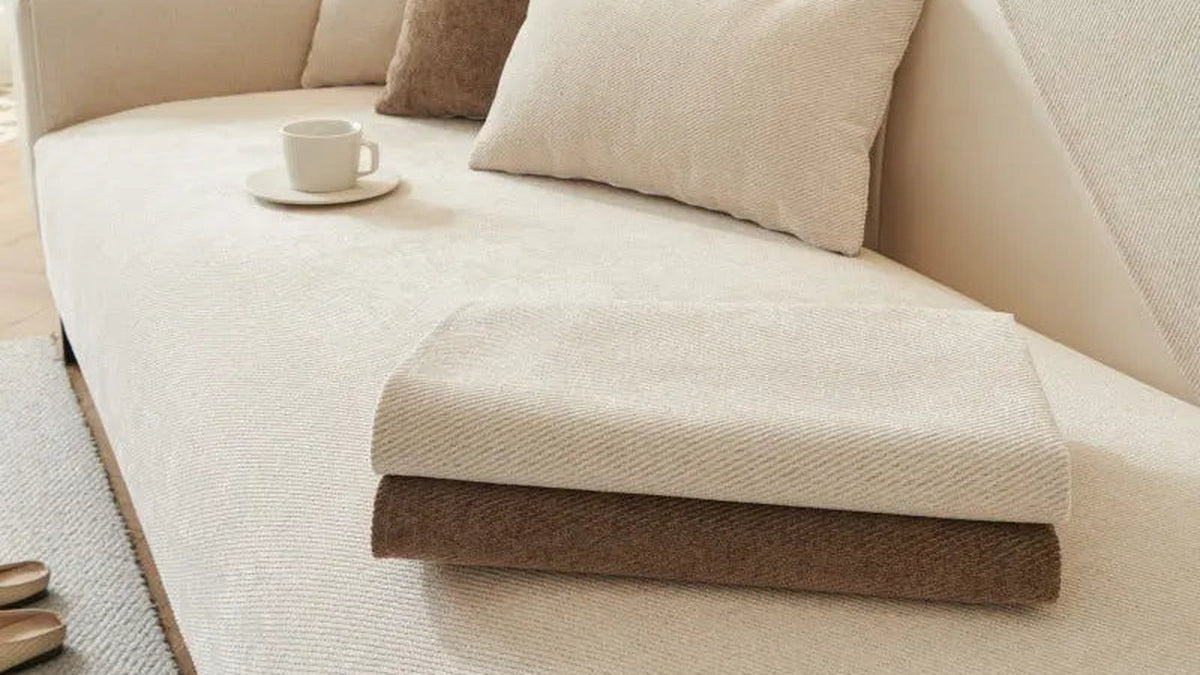
- Neutrals (cream, sand, soft gray): timeless and design-friendly. Great for bright rooms and layered pillows.
- Darker tones (charcoal, navy, deep taupe): better at camouflage for sticky fingerprints, pet hair, and small stains between washes.
- Textured weaves: add that designer feel while disguising minor wrinkles and everyday wear.
If your goal is “fresh and polished” with minimal effort, choose a color you would happily live with even on a rushed week, because those are the weeks when covers prove their worth.
Once you have the right anti-mildew sofa cover selected, the biggest win comes from the habit side: how you dry, air out, and wash it so moisture never gets the chance to settle in. Next, we will walk through a simple 10-minute routine that keeps any mildew resistant couch cover working at its best, even with kids, pets, and a full calendar.
The 10-Minute Routine to Prevent Mildew Under Any Couch Cover
You can buy a beautiful anti-mildew sofa cover, but the real secret to keeping that “fresh living room” feeling is simple: do not let moisture get trapped between the cover and the upholstery. Mildew loves damp, low-airflow pockets, especially in busy homes where spills, wet paws, and rainy-day laundry happen.
Here is a practical routine that works with any mildew resistant couch cover, plus the small habits that make the biggest difference long term.
Step 1: Rule #1, dry first, cover second
If something spills or comes in wet, treat moisture like an emergency you can solve in minutes.
- Blot immediately (do not rub). Use a clean towel to press down and lift moisture out.
- If liquid soaked through, remove the cover right away so the sofa can breathe.
- Add airflow for 15 to 30 minutes:
- Aim a fan at the damp area, or
- Open a window a crack if the outdoor air is not humid
- Only re-cover when everything feels fully dry to the touch, including seams and piping where dampness hides.
This one rule is the biggest mildew-prevention win, whether your cover is breathable, a waterproof sofa cover, or a heavier textured style.
Step 2: The weekly quick reset (it really takes 10 minutes)
Once a week, do this mini refresh to prevent crumbs, pet hair, and humidity from building up under the fabric.
- Lift the seat cushions.
- Shake out crumbs and debris (especially near the arms and back corners).
- Let the sofa air out uncovered for 10 minutes.
- While it airs, give the cover a quick shake outdoors or a fast vacuum pass inside.
If you have a pet friendly couch cover, this also helps reduce “pet smell” buildup before it settles into the fibers.
Step 3: Wash and dry correctly (this is where most mildew starts)
A washable sofa cover is only truly mildew-preventive if it is washed and dried the right way.
- Follow the manufacturer care label first. It is the main authority for water temperature, cycle, and drying method.
- Do not refit the cover until it is completely dry.
- “Mostly dry” can trap hidden moisture at the seams, which is exactly where mildew spotting often appears.
- If line drying indoors, add airflow (fan or open window when weather allows) so drying time does not stretch into damp hours.
Family tip: keep a spare cover set if you can. It lets you swap quickly and avoid the temptation to put a slightly damp cover back on because the living room needs to look “done.”
Step 4: Humidity control basics (small changes, big results)
Most mildew prevention comes down to keeping indoor humidity in a comfortable range. Common home guidance often recommends about 30 to 50 percent relative humidity for comfort and moisture control, and the EPA shares practical steps for preventing mold by controlling moisture and improving ventilation. Source: EPA guidance on mold and moisture control at home
Easy, no-renovation moves:
- Crack a window for a few minutes each day when outdoor humidity is reasonable.
- Run bathroom and kitchen exhaust fans during and after showers or cooking.
- Avoid placing humidifiers near upholstered furniture.
- If a room is consistently damp (basements, coastal homes, closed-up guest rooms), consider a dehumidifier.
Even the best mildew resistant couch cover performs better when the room is not working against it.
Step 5: Odor prevention without “masking” the problem
Musty odor is usually a moisture signal, not a fragrance problem.
- Use fabric refresher lightly and only on clean, dry fabric.
- If the smell returns quickly after refreshing, wash instead of masking.
- If your home includes pets, wash sooner if you notice oily buildup where they nap. Oils can hold odor and attract moisture over time.
- For recurring mustiness, repeat Step 1 and Step 4 before assuming the cover is the issue.
This is especially important for durable options like an anti scratch couch cover or a waterproof sofa cover, since thicker protective layers can slow evaporation if moisture gets underneath.
Quick check: Are you setting your cover up for success?
Use this quick mental checklist:
- Did I fully dry spills before re-covering?
- Do I air the sofa out weekly for 10 minutes?
- Is the cover fully dry before it goes back on?
- Is the room staying near that 30 to 50 percent humidity comfort zone?
If you want to compare fits and fabric types that make these habits easier, browse FrenchCovers’ Complete living-room protection options.
Next, we will make protection look intentional: style ideas that help an anti-mildew sofa cover blend beautifully into your decor, not scream “utility.”

Style Ideas: Making Mildew-Resistant Protection Look Like Decor
By now, you know the goal is a sofa that stays fresh and dry, especially after rainy-day cuddles, wet umbrellas by the door, or that one spot where the dog always naps. The good news is an anti-mildew sofa cover can look intentional and elevated, not like a “just-in-case” layer you hide when guests arrive. Think of your mildew resistant couch cover as the new base fabric of the room, then style on top of it the way you would a sofa in a magazine.
Below are four easy style directions, each designed for real life and fast resets.
1) Family-friendly styling that hides daily wear (without looking heavy)
Busy homes need covers that forgive crumbs, sticky fingers, and surprise wet towels. Styling can help, too.
- Choose medium tones for the main cover: warm taupe, oatmeal, greige, soft olive, slate blue. These shades visually soften everyday smudges better than bright white, but still feel light and welcoming.
- Lean into texture: a subtle waffle weave, linen-look, or small-scale pattern helps disguise minor scuffs and lint while keeping the look design-forward. Texture also makes a cover read like upholstery, not a temporary slip.
- Add one washable layer you can grab and launder fast: a washable sofa cover plus a simple throw across the seat line creates a “quick refresh zone” where kids sit most. When life happens, toss the throw in the wash and keep the fitted cover in place.
Seasonal palette ideas that still feel family-proof:
- Spring and summer: light neutrals (sand, warm ivory) paired with a soft green or sky-blue pillow.
- Fall and winter: deeper tones (cocoa, charcoal, forest) plus a cream knit throw for balance.
Room scenario tip: if your sofa sits near the entryway, keep a lidded basket nearby for damp hats and gloves so moisture stays off the fabric in the first place.
2) French-inspired simplicity: polished with minimal effort
French style is perfect for mildew-resistant protection because it favors clean lines and calm color stories. That means your cover can do the hard work while your room still looks curated.
Try this simple formula:
- Solid-color mildew resistant couch cover in a neutral (stone, flax, soft gray).
- Two to four pillows in the same family (example: cream + taupe + one muted stripe). Keep patterns subtle so the sofa silhouette stays crisp.
- One “finishing” texture: a light linen throw or a fine herringbone blanket folded neatly at the arm.
Design-savy reassurance: a well-fitted cover with a smooth seat and aligned seams always looks more upscale than a looser cover, even if the color is simple.
3) Small business or coworking setup: professional, uniform, and easy to swap
Waiting areas and shared lounges have different demands: lots of sit-downs, coffee in hand, and not much time between visitors. Here, style is about consistency.
- Go darker and uniform: charcoal, navy, espresso, deep olive. Darker tones hide quick scuffs and keep the space looking tidy through the day.
- Choose a protective “stack”: a waterproof sofa cover layer can be a smart choice for spill-prone seating because it helps stop liquids from soaking down into the furniture where moisture can linger.
- Keep a backup set on-site: a second cover set lets you swap fast if there is a spill or a rainy-day odor issue. It is one of the simplest ways to maintain a clean look without shutting down seating.
Room scenario tip: place a small pet bed nearby if the space is pet-welcoming. It subtly redirects pets off the main seat, helping your cover stay smoother and last longer as a pet friendly couch cover.
4) Premium and vintage furniture: protect the original, keep the silhouette
If you are covering a vintage find or a premium upholstered piece, the styling goal is “protected, but still true to the design.”
- Prioritize a gentle, tailored fit: look for a cover that hugs the arms and back cleanly so the sofa’s shape still reads. A sleek fit also reduces bunching, which can trap humidity in folds over time.
- Stay close to the original upholstery tone: matching or harmonizing colors preserve that heirloom feel.
- Add protection where wear happens first: if you have cats or a dog that likes to dig in before settling, pair your look with an anti scratch couch cover option to help prevent snags that can create little pockets where moisture and grime collect.
Elegant touch: choose one refined accent, like a structured lumbar pillow or a classic stripe, so the sofa looks styled instead of “covered.”
These décor-forward choices help your anti-mildew setup feel like part of your home, not a compromise. Next, we will get practical about what happens when that musty smell will not quit and how to tell whether you should replace the cover, or treat the room conditions that keep feeding mildew.
When to Replace a Cover (and When to Treat the Room Instead)
By now, you have the routine: dry first, cover second, wash correctly, and keep airflow moving. Most of the time, that is enough to keep an anti-mildew sofa cover doing its job. But if the musty smell keeps returning, it helps to make one clear decision: is the cover the problem, the room the problem, or is the sofa itself affected?
Use this quick decision guide to save time, protect your furniture, and get your living room feeling fresh again.
Replace the cover if these signs keep showing up
Even the best mildew resistant couch cover has a lifespan, especially in a home with kids, pets, and frequent washing. Plan to replace the cover if you notice any of the following after you have done a proper wash and a full dry cycle (or line dry until completely dry to the core).
Replace the cover if:
-
Odor persists after a correct wash + full dry.
If it still smells damp or musty when fully dry, the fibers may be holding onto contamination or staying humid inside the weave. -
The fabric tends to hold moisture.
If it feels cool or slightly clammy longer than it should, it is not drying fast enough for your room conditions. That trapped moisture is exactly what mildew loves. -
Seams stay discolored or speckled.
Mildew often shows first along seams, piping, and tucked areas where airflow is lowest. If discoloration remains after washing, the material may be compromised. -
The fit has loosened and creates “damp pockets.”
A cover that sags, bunches, or wrinkles heavily can trap humidity between the cover and upholstery. A snug fit supports airflow and helps your anti-mildew sofa cover perform better.
If you are replacing anyway and your household deals with spills or wet paws, consider whether a waterproof sofa cover or a washable sofa cover with faster drying performance would better match your day to day. For homes where claws are part of the picture, choosing an anti scratch couch cover can also reduce snags where moisture can seep in and linger.
Treat the room instead if mildew keeps returning in the same spot
When mildew reappears in the same location (same arm, same back corner, same window side), the cover may not be the root cause. In many homes, the real issue is the environment around the sofa.
Treat the room if you notice:
- The musty smell returns within days, especially after rain or high humidity.
- Spots appear in the same corner repeatedly.
- The sofa sits near a leaky window, a damp exterior wall, an AC unit, or a basement foundation.
- You often have condensation nearby or the room feels “closed up.”
Action steps that usually make the biggest difference:
- Check for hidden moisture sources (window seals, wall dampness, plumbing drips, wet carpet nearby).
- Improve airflow where the sofa sits (pull the sofa a few inches off the wall, avoid blocking vents).
-
Control humidity. Many home comfort guides, including the EPA, commonly reference keeping indoor humidity in a moderate range (often cited around 30 to 50 percent) to discourage mold and mildew growth.
For practical, high level guidance, see the EPA guidance on mold and moisture control at home: https://www.epa.gov/mold
If your cover needs to handle both humidity and everyday mess, prioritize materials that do not stay damp, and choose a truly pet friendly couch cover that can be washed often without losing its shape and fit.
If the sofa itself is affected: pause, remove the cover, and dry thoroughly
Sometimes the odor is not just in the cover. If the cushion inserts or upholstery beneath smells musty, feels damp, or shows spotting, treat the sofa first before putting any cover back on.
What to do:
- Remove the cover immediately and keep it off until the sofa is fully dry.
- Dry the sofa thoroughly: open windows when weather allows, run a fan aimed across the surface, and lift cushions to expose hidden areas.
- Follow upholstery safe cleaning guidance for your sofa fabric type (microfiber, velvet, leather, performance fabric). When in doubt, spot test.
- If contamination seems deep or widespread, it can be worth consulting a qualified professional. The CDC offers calm, practical background on mold and when extra help may be needed: https://www.cdc.gov/mold/
Once the sofa is truly dry and clean, you can go back to prevention: a well-fitted mildew resistant couch cover, regular washing, and airflow that keeps moisture from getting trapped in the first place.
A simple rule to keep it stress-free
- If the problem follows the cover (smell and discoloration remain after washing and full drying), replace it.
- If the problem follows the spot in the room, treat humidity and moisture sources.
- If the problem is in the sofa itself, dry and clean the upholstery before covering again.
Next, we will wrap up with a practical checklist and shopping takeaways so you can choose a cover that fits your home and keep a spare set ready for quick swaps when life gets busy.

So, protecting your sofa from that damp, musty smell comes down to smart choices and simple habits. Choose a breathable, mildew resistant couch cover with a snug fit to minimize moisture traps. Pair it with a quick 10-minute weekly airing routine and always ensure everything is bone-dry before recovering. This approach turns your washable sofa cover into a true guardian for your furniture, whether you need a waterproof sofa cover for spills or an anti scratch couch cover for pets.
Ready to protect your sofa with less cleaning and more peace of mind? Choose a cover that matches your home’s needs today—then keep a spare set on hand so you can swap, wash, and move on with your week.
Because the best kind of family life is lived comfortably, not cautiously.
FAQ: Anti-Mildew Sofa Covers for Real Life Homes, Pets, and Humid Spaces
Choosing an anti-mildew sofa cover should feel as simple as picking a look you love. In the guide, we focus on breathable, moisture-smart materials, family and pet ready durability, and easy care routines that keep your sofa fresh and design forward in humid homes, busy living rooms, and shared spaces.
Q: Do anti-mildew sofa covers completely prevent mildew? A: An anti-mildew sofa cover helps block moisture buildup and slows mildew, but it cannot guarantee zero mildew if humidity stays high or the sofa stays damp. Pair a mildew resistant couch cover with airflow and regular washing for best results, as outlined in our prevention tips. See Mildew Prevention Basics and Care and Cleaning.
Q: What fabric is best for a mildew-resistant couch cover in a humid home? A: The article recommends breathable, quick drying fabrics with a moisture barrier, especially if you also want a waterproof sofa cover for spills. For families and pets, choose a washable sofa cover that dries fast and resists trapping humidity. See Best Fabrics for Humid Homes and Waterproof vs Breathable Covers.
Q: Can I put a sofa cover on a slightly damp couch after cleaning? A: Not yet. The guide emphasizes that even a mildew resistant couch cover needs a fully dry base, otherwise trapped moisture can trigger mildew and odors. Let cushions and seams dry completely, then add your anti-mildew sofa cover. See Drying Checklist After Cleaning and Mildew Prevention Basics.
Q: How often should I wash a sofa cover if I have kids and pets? A: For a pet friendly couch cover in an active home, the article suggests washing every 1 to 2 weeks, or sooner after spills, accidents, or allergy flare-ups. A washable sofa cover keeps crumbs, dander, and humidity from settling in, and an anti scratch couch cover stays looking polished between washes. See Family and Pet Cleaning Routine and Washing Instructions.
Q: What’s the best way to remove a musty smell from a sofa cover? A: Start by washing your washable sofa cover promptly, then dry it fully before re-covering, since lingering dampness is a common cause of musty odor in the guide. If needed, air it out in sunlight or a well ventilated room and check that your waterproof sofa cover layer is not trapping moisture. See Odor Removal Steps and Drying Checklist After Cleaning.