Ever lifted a sofa cushion and caught that musty smell? In busy homes with kids, pets, and snack spills, moisture can hide fast, and mold can follow.
Most covers solve stains but trap heat and damp. That is rough on premium or vintage furniture, and it is not ideal for coworking spaces that need fresh, inviting seating every day.
In this post, you will learn how a breathable sofa cover can help stop mold without harsh chemicals, while still looking beautifully put together. We will also show why a canvas sofa cover is a smart pick for daily life, with the style FrenchCovers is known for. Expect practical tips, plus what to look for in a mold resistant sofa cover and a washable couch cover.
First, let’s look at why mold starts on sofas in the first place.
Why Mold Starts on (and Under) Sofa Covers
Mold is not picky. It does not care if your sofa is a vintage heirloom, a luxe sectional, or the hardworking couch in a family room that hosts movie nights, snack breaks, and dog naps. What it does care about is the perfect little microclimate: moisture + warmth + limited airflow.
That is why the wrong cover can accidentally make things worse. If a cover traps humidity against upholstery, it creates a cozy pocket where dampness lingers longer than you realize. A breathable sofa cover helps by letting air move and moisture escape instead of staying sealed in.
The simple science (no lab coat required)
According to EPA guidance on mold, mold grows when there is moisture and a material it can live on, and the key prevention strategy is controlling moisture and drying quickly. In real homes, the moisture often comes from everyday life, not a flood.
A helpful benchmark: many households aim to keep indoor humidity around 30 to 50%. When humidity creeps higher, fabrics can hold onto that extra dampness, especially in rooms that do not get much airflow. The CDC also notes that damp indoor environments can contribute to mold problems, which is why moisture control and ventilation matter.
External references (non medical, practical):
Common triggers that start the musty cycle
These are the usual suspects we see in busy, lived-in spaces:
- Wet dog fur or rainy-day paws settling into the fabric (and under the cover)
- Drink spills and juice drips that get “mostly dry” on top but stay damp underneath
- Steam from cleaning (steam mops, upholstery steam, hot-water spot cleaning) without enough drying time
- High indoor humidity during warm months or long rainy stretches
- Sofas pushed against cold exterior walls, where temperature differences can lead to condensation and a lingering damp feel
If you are shopping specifically for a mold resistant sofa cover, focus less on chemical treatments and more on the conditions mold needs to thrive. The goal is to reduce trapped moisture in the first place, and that starts with airflow and dry time.
Early warning signs to watch for (before it becomes a bigger project)
Mold problems often announce themselves quietly. Here is what to notice early:
- A musty smell when you sit down or lift cushions
- Small dark specks that reappear after wiping
- A persistent damp feel, especially along the back or seat seams
- Allergy-like flare-ups that seem worse when you are on the sofa (If this is a concern in your household, treat it as a signal to inspect and dry the area thoroughly.)
Quick checklist: “Do I have a moisture trap situation?”
Use this 60-second check when your home feels humid or after a busy weekend:
- Did the sofa recently get wet (spill, pet, cleaning)?
- Is the cover still slightly cool or damp to the touch in seams or under cushions?
- Is your sofa close to an exterior wall with little airflow behind it?
- Has the room been closed up (windows shut, minimal ventilation) for days?
- Do you notice a musty odor that returns quickly after freshening up?
If you checked two or more, treat your current setup like a moisture trap and switch to habits and materials that dry faster. A washable couch cover also makes a big difference here, because you can actually reset the fabric regularly instead of trying to mask odors.
When it becomes a safety and cleanup priority
A faint odor after a humid week is common and fixable. But if you have visible mold growth or a strong, persistent smell, pause and address it before you re-cover the sofa:
- Remove the cover and clean it according to its care instructions.
- Dry completely before putting it back on (no “almost dry”).
- Inspect the upholstery and cushions and make sure everything is dry and odor-free.
If you want an easy way to stay ahead of this in multiple rooms, explore coordinated options for full seating setups here: Explore full-room protection options (sofa, loveseat, more).
Next, we will make this practical for shopping: what “breathable canvas” actually means, why a canvas sofa cover is such a smart everyday choice, and what materials to avoid if your goal is a fresher, drier sofa.

What “Breathable Canvas” Really Means (and What to Avoid)
If Section 1 made you think, “Yes, moisture is the issue in my home,” this is where you turn that insight into a smart purchase. A breathable sofa cover is not just a nice-to-have feature. It is one of the simplest ways to help moisture escape instead of lingering between the cover and your upholstery, where that musty smell loves to start.
Breathability, in plain English
Breathability means air can move through the fabric. That airflow helps everyday dampness evaporate faster, whether it comes from:
- A humid afternoon with closed windows
- A pet nap on the cushions after a rainy walk
- Light cleaning or spot treatment that leaves a little moisture behind
A cover that breathes supports the same goal you saw in the mold checklist earlier: reduce trapped moisture. Many households try to keep indoor humidity around 30 to 50 percent, and fabric choice can either help that effort or quietly fight against it.
Why canvas is a family friendly, design forward choice
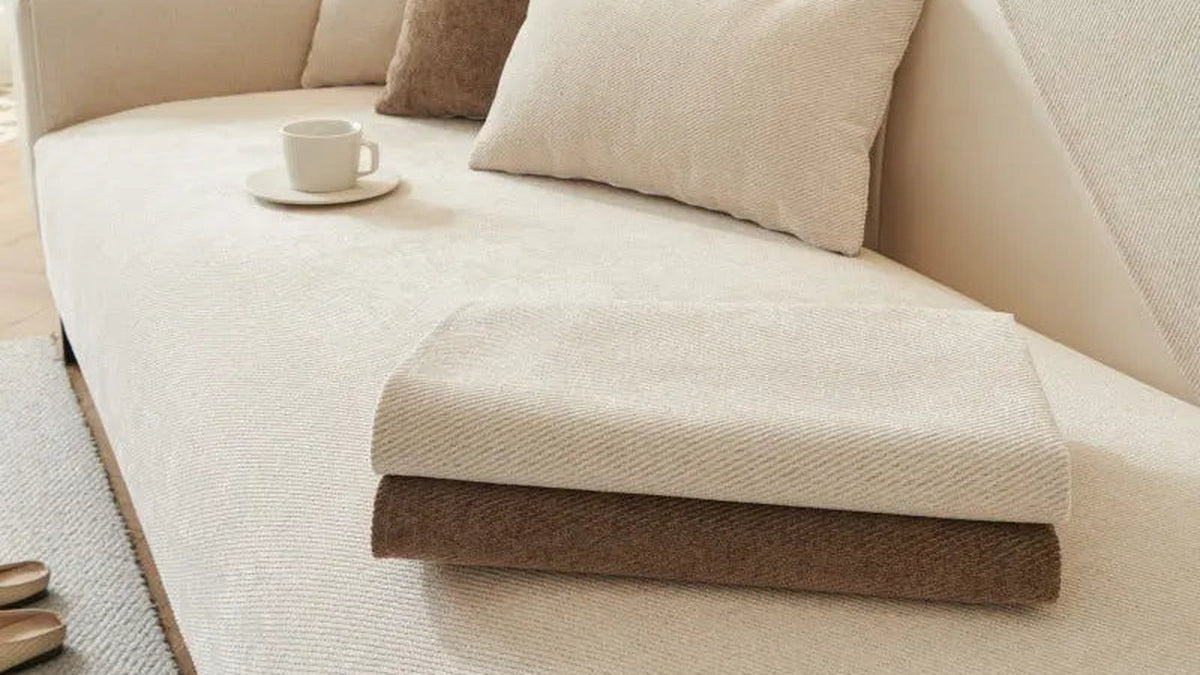
A canvas sofa cover hits a sweet spot for real life: it is sturdy enough for kids and pets, but still refined enough for a carefully styled living room.
Here is what canvas tends to do well:
- Durability in daily use: The weave is made to handle friction, sitting, shifting, and the occasional toy-drag across the seat.
- Everyday friendly texture: It feels substantial and comfortable, not flimsy or overly slick.
- Structured, tailored look: Canvas holds shape well, giving you that tidy, put-together finish that works in classic homes and modern spaces alike, with a hint of that elegant French sensibility.
When you are shopping for a mold resistant sofa cover, remember: resistance is often as much about drying and airflow as it is about any special coating. Canvas helps by not trapping heat and moisture the way some synthetic “shiny” fabrics do.
Sealed waterproof vs everyday breathable: a quick comparison
| Feature | Sealed waterproof layer (plastic-like backing) | Everyday breathable fabric (like canvas) |
|---|---|---|
| Best use case | Outdoor furniture, short-term spill events | Indoor, daily living, routine messes |
| Airflow | Very low | Higher airflow helps moisture escape |
| After spot cleaning | Can keep dampness trapped underneath | Typically dries out more naturally |
| Comfort | Can feel warm, slick, or sweaty | More comfortable for long sitting |
| Odor risk | Higher if moisture gets trapped | Lower when paired with good drying habits |
Waterproof is not “bad.” It is just often the wrong tool for indoor, everyday use where small amounts of moisture happen regularly.
What to avoid (the common traps)
If your goal is fewer odors, less dampness, and a cover you actually like living with, watch out for these:
-
Fully sealed, plastic-backed covers for daily indoor use
They can protect against a big spill, but they often trap humidity from normal life. -
Covers that stay damp after spot cleaning
If a quick wipe leaves the fabric holding moisture for hours, that is a red flag for odor buildup. -
Overly slick fabrics that trap heat
Some smooth synthetics feel “easy clean,” but they can create a warm microclimate against upholstery, especially in busy, frequently used seating.
Buyer checklist: practical details that make a cover work (not just look good)
A breathable fabric is step one. The right details help you keep it clean, secure, and low effort:
- Easy removal: If it is annoying to take off, it will not get washed as often as it should.
- Clear machine-wash guidance: Look for straightforward instructions so your washable couch cover stays consistent in texture and fit.
- Secure fit points: Ties, straps, anchors, or grippy features reduce shifting and bunching, which also reduces debris getting trapped in folds.
- Simple, specific sizing info: Accurate sizing means fewer wrinkles, less movement, and a more polished silhouette.
If your household is heavy on claws, jumping, or daily wear, pair breathability with extra toughness. Need extra defense against claws and daily wear? Anti-Scratch Couch Covers
Mini scenario: the “juice spill” test (real life, not showroom life)
Picture this: your child spills juice on the seat right before guests arrive.
A breathable canvas setup makes the recovery simpler:
- Blot quickly (do not rub it deeper).
- Remove the cover easily (because it is designed for real cleaning).
- Machine wash or spot clean as directed, then dry fully.
- Reinstall with secure fit points so it looks neat again, not lumpy.
That “dry fully” step is the quiet hero of mold prevention. Which brings us to the next section: a simple, no-chemicals routine that keeps your sofa fresh week after week, even in busy, lived-in homes.
A No-Chemicals Routine to Prevent Odors and Moisture Buildup
You already know the “why” behind musty smells: moisture + warmth + low airflow. Now let’s make it easy to prevent. This routine is designed for real life, meaning kids, pets, movie nights, and the occasional rainy week. Paired with a breathable sofa cover, it helps keep your seating fresher between washes, and supports the everyday practicality you want from a canvas sofa cover.
Step 1: The fast weekly reset (10 minutes, truly)
Think of this as your small, steady habit that prevents the “mystery smell” from settling in.
-
Shake out crumbs and hair
Take the cover off (or lift and flap the loose areas) and shake outdoors if possible. Pet hair and snack crumbs hold moisture and odors more than we realize. -
Vacuum the creases and seams
Use the upholstery tool and focus on:- Seat cushion seams
- Backrest edges
- Armrest folds (the highest-contact area in most homes)
-
Let it “air out” by an open window
Even 10 to 20 minutes of airflow helps. If weather allows, hang the cover over a chair near a cracked window so trapped humidity can escape instead of staying pressed against your upholstery.
Actionable tip: Want the biggest impact with the least effort? Start with arms and cushions first, since they take the most skin contact, pet naps, and snack spills. If you like the idea of rotating smaller pieces for quicker upkeep, you can add separate covers for those zones here: Target the highest-contact areas first (arms and cushions)
https://frenchcovers.com/collections/armrest-cushion-covers
Step 2: After a spill, follow this simple 3-step response
Spills are not the enemy. The real problem is putting a damp cover back on and unintentionally trapping moisture. Here is a clean, no-chemicals approach you can do fast.
The 3-step spill response
-
Blot first (do not rub)
Press with a clean towel to pull liquid up and out. Rubbing pushes moisture deeper into fabric layers. -
Clean lightly, only where needed
Use a small amount of mild soap and water on a cloth, then dab. You are aiming for “barely damp,” not soaked. -
Dry fully before re-installing
This is the make-or-break step for a mold resistant sofa cover setup. Let it air-dry until it feels completely dry to the touch, especially along seams. If you put it back on while still damp, you create the exact humid pocket mold loves.
Family-friendly rule: If you cannot dry it fully right away, it is better to leave the sofa uncovered for a short time than to seal in moisture under the cover.
Step 3: Humidity control made simple (no gadgets required, but you can)
Many households aim to keep indoor humidity around 30 to 50 percent for comfort and moisture control. If your home tends to run humid, tiny ventilation habits matter as much as washing.
Try these easy moves:
- Crack a window when weather allows (even 5 to 10 minutes helps refresh indoor air)
- Run a fan after steam-cleaning or mopping so moisture does not linger in fabric nearby
- Keep furniture a few inches off exterior walls where temperature differences can cause condensation, especially in older homes or apartments
Optional, if you like peace of mind: a small hygrometer (humidity monitor) can tell you when indoor air is creeping into the “musty risk” zone, especially during long rainy stretches.
Mini checklist for rainy climates
- Open windows briefly during dry breaks
- Run bathroom and kitchen exhaust fans longer than usual
- Dry wet coats, umbrellas, and dog towels away from the sofa
- Do not reinstall a damp cover “just for now”
- Check behind cushions weekly for that slightly damp feel
This is where a breathable sofa cover earns its keep: it supports airflow so your sofa is not wrapped in a humidity blanket all day.
Step 4: Wash day tips for a truly washable couch cover routine
A washable couch cover is only as helpful as its care routine. These tips help your cover get actually clean and fully dry, which is key for odor prevention.
- Follow the label instructions (temperature and cycle matter for fit and longevity)
-
Avoid overloading the washer
Overloading reduces agitation and rinse performance, meaning leftover residue and trapped damp spots. -
Dry thoroughly before re-installing
Air-dry is excellent when you have time and airflow. If the care label allows machine drying, use low heat and ensure seams and thicker areas are fully dry before putting the cover back on.
Quick design-forward tip: Canvas tends to reward gentle structure. A proper dry helps it sit neatly and feel tailored, instead of limp or slightly clammy.
Once you have this routine, your cover does not just look good, it stays fresh and inviting for family and guests. Next, let’s make sure it also feels like your home, with canvas styling ideas that work for busy households, vintage pieces, and even professional spaces.

Style That Still Feels Like “You”: Canvas Looks for Real Homes
You have already handled the practical side: airflow, drying fully after spills, and keeping humidity in a healthier range. Now for the fun part, making sure your breathable sofa cover does not look like a compromise.
A canvas sofa cover is one of the easiest ways to keep a room feeling pulled together because canvas has natural-looking texture and a softly tailored structure. It reads intentional, not temporary. And when you choose breathable canvas (instead of slick, heat-trapping synthetics), you get that comfortable, lived-in elegance without creating a damp “sealed” environment that can lead to odors. That is the sweet spot for a mold resistant sofa cover setup in real life.
Below is a mini lookbook built for four very different spaces. Each one includes a simple, repeatable routine so your cover stays guest-ready.
1) Busy families: Mid-tone neutrals that hide daily life (and wash beautifully)
The look: Think warm greige, oatmeal, sand, or soft taupe. Mid-tones are the quiet heroes of family rooms because they disguise the three things you see most: crumbs, pet hair, and everyday smudges.
Why it works with canvas: Canvas texture breaks up visual “noise.” Tiny marks that look loud on smooth fabric tend to disappear into the weave. And because it is a washable couch cover option, you can reset the room without stress.
Style recipe (fast, family-proof):
- Canvas cover in a mid-tone neutral
- One patterned throw (small print hides spots better than solids)
- Two darker accent pillows (charcoal, navy, olive) to ground the look
- A basket nearby for throws and toys so the sofa stays tidy
Washable routine that keeps you guest-ready:
- Keep a simple rotation: wash cushion covers first, then arms and back next wash day.
- Aim for “little and often” if you have kids or pets: a quick wash beats waiting until it looks tired.
Before/after visual prompt:
Before: rumpled cover, visible snack dust on the seat line, slightly dull color near the arms.
After: smooth fit, refreshed mid-tone canvas, pillows aligned, the whole room looks calmer in 60 seconds.
If your daily mess includes paws and claws, you may also like this pet-focused protection collection: https://frenchcovers.com/collections/pet-furniture-protection
2) Décor lovers: French-inspired light linen look (without the fragile upkeep)
The look: Airy, light, and quietly chic. Cream, soft ivory, and pale flax can feel very French, but many people avoid them because of stains and lingering damp after spot cleaning.
How to make light canvas livable: Choose breathable canvas so moisture can escape, then build a practical “soft white” styling plan around it.
- Pair light canvas with warm wood and black accents (a lamp base, picture frame, or side table detail)
- Add one textured throw (bouclé, knit, or light wool) for depth so it does not feel flat
- Use a tray on the coffee table to keep cups and snacks corralled
Seasonal swaps, minimal effort: Canvas is an easy way to refresh a room without the cost of reupholstery. A color change can shift the entire mood:
- Spring and summer: light flax or soft ivory
- Fall: camel or tobacco
- Winter: stone, charcoal, or deep navy accents
Before/after visual prompt:
Before: same sofa, but the room feels heavy or dated, and the cover looks shiny or synthetic under light.
After: matte canvas texture, soft light tones, the sofa looks like a design choice and not a “cover-up.”
3) Premium or vintage pieces: Protect the character, keep the lines clean
If you own a heritage sofa, a vintage settee, or a premium piece you plan to keep for years, the goal is protection with restraint. You want a breathable sofa cover that does not fight the silhouette.
The look: Understated tones and clean edges. Consider deeper, classic shades like espresso, cocoa, slate, or a muted olive.
Why darker tones can be smart: They are forgiving with handling marks and give vintage furniture that library-like richness while still being practical for daily sitting. Paired with a breathable canvas, you reduce the chance of moisture lingering close to the upholstery after cleaning or humid days, which supports a more mold resistant sofa cover setup overall.
Design-forward tips for vintage furniture:
- Choose a cover that follows the seams and avoids excess drape
- Keep accessories minimal: one refined throw, two structured pillows
- Let the original legs, arms, or wood detailing stay visible if possible so the piece keeps its identity
Before/after visual prompt:
Before: cover overwhelms the shape, bunching at the arms and changing the sofa’s “personality.”
After: tailored canvas in a heritage tone, crisp lines, the sofa looks protected but still authentic.
4) Small businesses and coworking spaces: Professional, welcoming, easy to maintain
In shared seating areas, the sofa is basically a high-traffic surface. You need it to look tidy daily, not just after a deep clean.
The look: Charcoal, graphite, or deep stone. These shades read modern and professional, and they hide scuffs from bags, jeans dye transfer, and constant use.
Maintenance plan for shared spaces (simple and scalable):
- Choose canvas that looks tailored and stays in place, so it does not look rumpled by midday
- Build a quick reset into closing duties: shake out debris, vacuum seams, and let the fabric air out briefly if possible
- Keep a backup set of covers on hand so you can swap immediately when something needs washing
This is where “washable” is not just a feature, it is operational. A washable couch cover means you can clean on a schedule, not in a panic.
Before/after visual prompt:
Before: seating looks tired by 2 p.m., wrinkles hold crumbs, and the area feels less polished.
After: charcoal canvas looks crisp, seating looks intentional, guests feel comfortable and the space feels cared for.
A quick style rule that supports freshness (and helps with mold prevention)
If your home or space runs humid, choose colors and textures you can maintain confidently. A breathable canvas sofa cover that you are willing to wash regularly is more effective than a “perfect” color you are afraid to clean. Consistent washing and thorough drying are what keep that musty smell from returning.
Next, we will make sure the look you picked stays smooth and secure. Up next: Sizing and Fit: The Simple Way to Get a Smooth, Secure Result so your cover stays neat, stays put, and is easier to vacuum and maintain day to day.
Sizing and Fit: The Simple Way to Get a Smooth, Secure Result
A breathable sofa cover can only do its job if it sits close to the furniture, not floating in loose folds. Think of fit as part of moisture control: fewer wrinkles and gaps means fewer little pockets where crumbs, pet hair, and humidity can hide. The bonus is visual, too. A well-fitted canvas sofa cover looks tailored and calm, the kind of effortless French-inspired order that makes a room feel instantly refreshed.
Step 1: Measure the basics (it takes 3 minutes)
Grab a tape measure and note these three numbers. If you are between sizes, choose the option that matches your largest measurement.
Your quick measurement checklist
- Seat width: measure across where you actually sit, from left edge to right edge of the seating area.
- Back height: measure from the seat seam up to the top of the backrest.
- Arm width: measure the outside width of one arm (and note if arms are slim, wide, or pillow-top).
Also note your sofa type
- Standard sofa: one continuous base, typical arms.
- Sectional/L-shape: two joined pieces, corner seat, or chaise.
- Recliner: moving footrest and a bulkier shape.
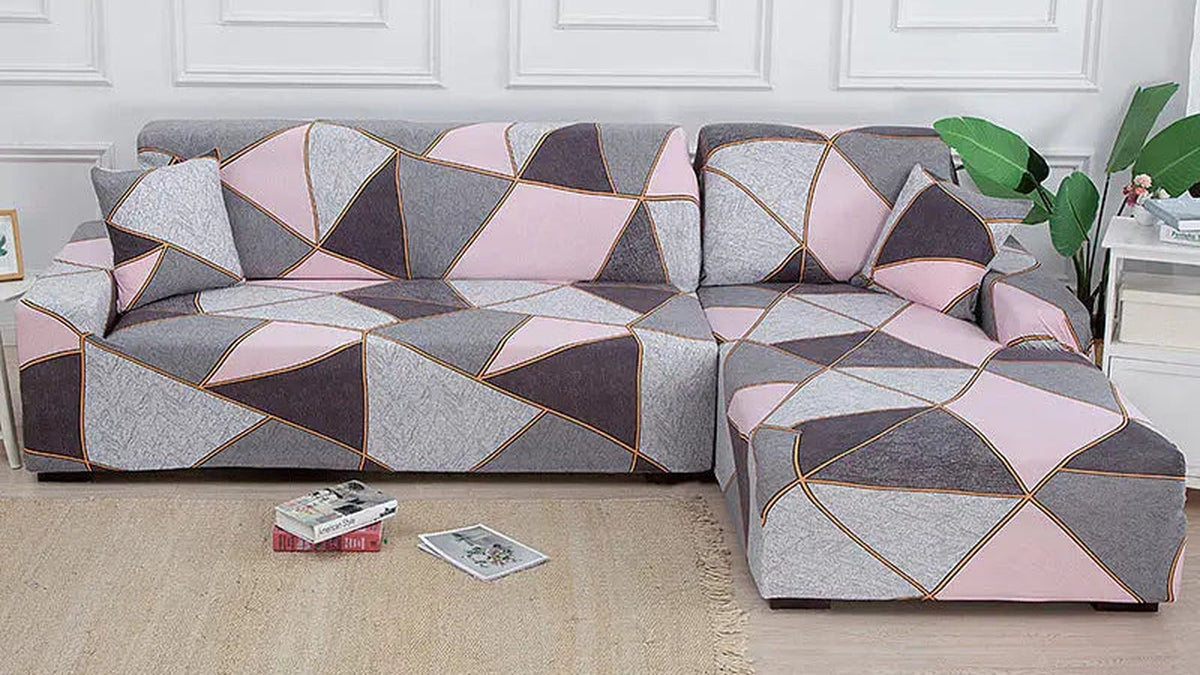
If you have a sectional or L-shape, a dedicated pattern is usually the difference between “mostly covered” and truly smooth, secure protection. For larger layouts, browse options designed for that exact silhouette here: Sectionals and L-shapes https://frenchcovers.com/collections/sectional-l-shaped-sofa-covers
A simple measurement “diagram” you can follow
Use this as your at-home guide while measuring:
- A (Seat width): left seat edge → right seat edge
- B (Back height): seat seam → top of back
- C (Arm width): outside of arm → inside edge near seat
Tip for family homes: measure with the cushions in place the way you use them every day. That is how your breathable sofa cover will actually sit during movie nights and nap time.
Why fit matters for hygiene (and why your vacuum will thank you)
A smooth fit is not just prettier. It is practical:
- Fewer debris traps: wrinkles and loose fabric hold on to crumbs and pet hair.
- Faster cleaning: a snug cover is easier to vacuum in one pass, especially along seams.
- Less moisture hang-time: a cover that stays flat dries more evenly after spot cleaning, supporting that mold resistant sofa cover goal without relying on chemical sprays.
If “washable couch cover” is on your must-have list, fit helps there too. A well-fitted cover is simpler to remove and reinstall, so you are more likely to wash it on schedule.
Fit troubleshooting table (problem → cause → fix)
| Problem you notice | Most common cause | Simple fix you can do today |
|---|---|---|
| Cover keeps slipping forward | Fabric has nothing to grip, or there is extra length pooling | Tuck excess fabric deep into seat creases; use foam anchors or straps if your cover includes them; re-center after sitting |
| Arms look loose or “baggy” | Arm shape is wide or rounded; cover is sized for slimmer arms | Add separate arm covers for a cleaner outline; tighten tucks at the inner arm seam |
| Cushion area looks bunched | One-piece cover fighting multiple cushions | Use separate cushion pieces if available; smooth each cushion individually before tucking |
| Backrest has air pockets | Back height is slightly short or fabric not tensioned | Pull fabric upward from the seat seam, then tuck firmly; re-check back height measurement |
| Corners keep popping out | Not enough tuck depth, especially on leather or slick upholstery | Add grippers/anchors; tuck in a “triangle fold” at corners, then press in firmly |
When to choose specialized shapes (and save yourself the frustration)
Some sofas are simply not “one pattern fits all,” especially in busy homes where the cover gets pulled, climbed on, and washed often.
Choose a specialized design if you have:
- L-shaped or sectional seating: you will get a cleaner join and fewer gaps where debris collects.
- Recliners: moving parts need a pattern that accounts for bulk and motion.
- Extra-wide arms or pillow arms: separate arm covers create that neat, structured look a canvas sofa cover does so well.
Once your sizing is right, you are set up for the next step: keeping your cover fresh long-term. In the next section, we will pull it all together with quick care habits and buying cues so your breathable setup stays inviting, week after week, with no musty surprises.

So, the secret to a truly fresh sofa isn’t a harsh chemical spray—it’s a smart, breathable system. By choosing a canvas sofa cover that allows air to circulate, you stop moisture from getting trapped where mold loves to grow. Pair this with simple habits like quick weekly resets and ensuring your washable couch cover is completely dry before putting it back on, and you create a naturally mold resistant sofa cover setup. This means lasting protection for your cherished furniture and a home that’s always welcoming.
Stop fighting musty odors and daily messes—choose a breathable, easy-care cover setup today so your sofa stays fresh, protected, and guest-ready this week.
Because a beautiful home should feel as fresh as it looks.
FAQ: Caring for Your Sofa the FrenchCovers Way
Busy homes, pets, and beautiful furniture can all coexist. In the article, we explain how a breathable sofa cover made from canvas helps reduce trapped moisture (a key cause of musty odors and mold) without chemical treatments, while still keeping a clean, design-forward FrenchCovers look.
Q: Do breathable sofa covers really help prevent mold? A: Yes. As shared in the article, mold risk rises when moisture gets trapped, so a breathable sofa cover helps air circulate and supports a drier surface, making it a smarter mold resistant sofa cover choice for humid rooms. Pair it with good room ventilation and regular cleaning. See Why Breathability Matters.
Q: What’s the difference between breathable and waterproof sofa covers? A: Waterproof covers can block spills, but the article notes they may also trap humidity, which can lead to musty smells over time. A canvas sofa cover that is breathable balances everyday protection with airflow, which is especially helpful for premium or vintage pieces. Compare options in Breathable vs Waterproof.
Q: How do I remove a musty smell from a sofa cover without harsh chemicals? A: The article recommends starting with airflow first: remove the cover, let it dry fully, and ventilate the room to reduce trapped moisture that causes odor. Then launder it as a washable couch cover per care instructions and ensure it is completely dry before re-covering. Follow the steps in Musty Smell Fix, No Chemicals.
Q: How often should I wash a sofa cover if I have pets or kids? A: The article’s practical guidance is to wash more often in high-use homes to prevent buildup of moisture, dander, and everyday spills. As a washable couch cover, a canvas sofa cover is designed for routine care, so consider a regular schedule and spot-clean in between. See Washing Routine for Busy Homes.
Q: Will a canvas sofa cover feel rough or look too casual? A: Not necessarily. The article highlights that a canvas sofa cover can feel comfortable and look polished when chosen in the right weave and fit, giving a relaxed yet elegant, French-inspired finish. For coworking spaces or family rooms, it offers a clean tailored look with the bonus of being a breathable sofa cover. Explore styling tips in FrenchCovers Style Guide.