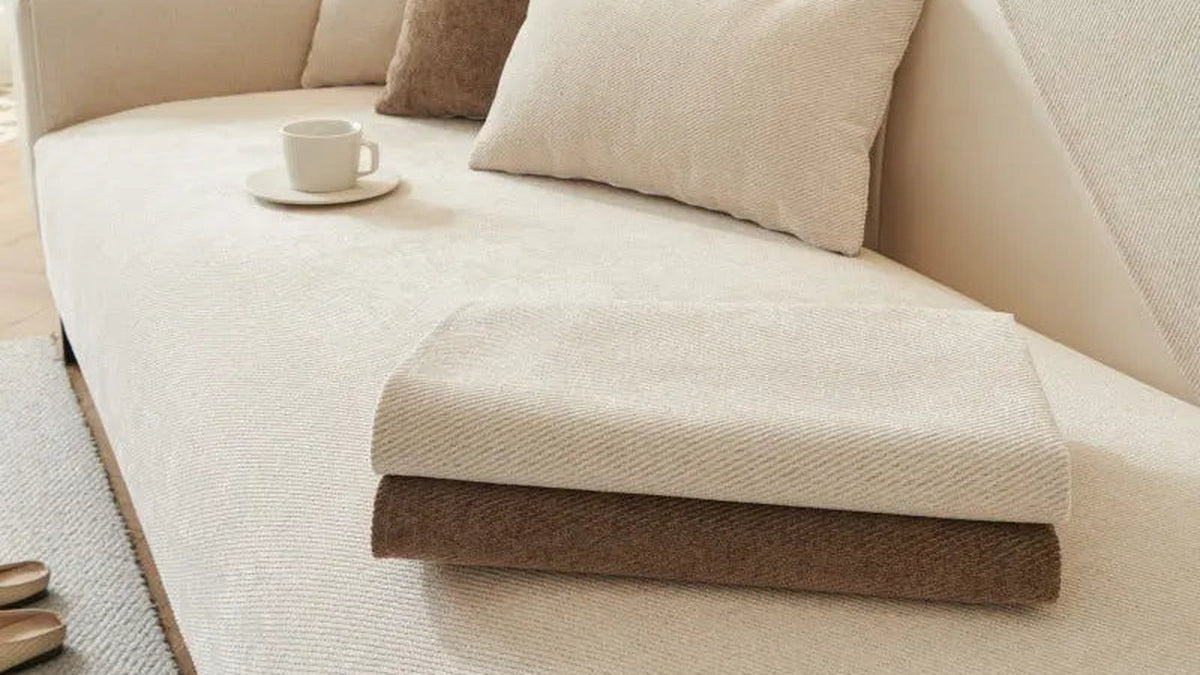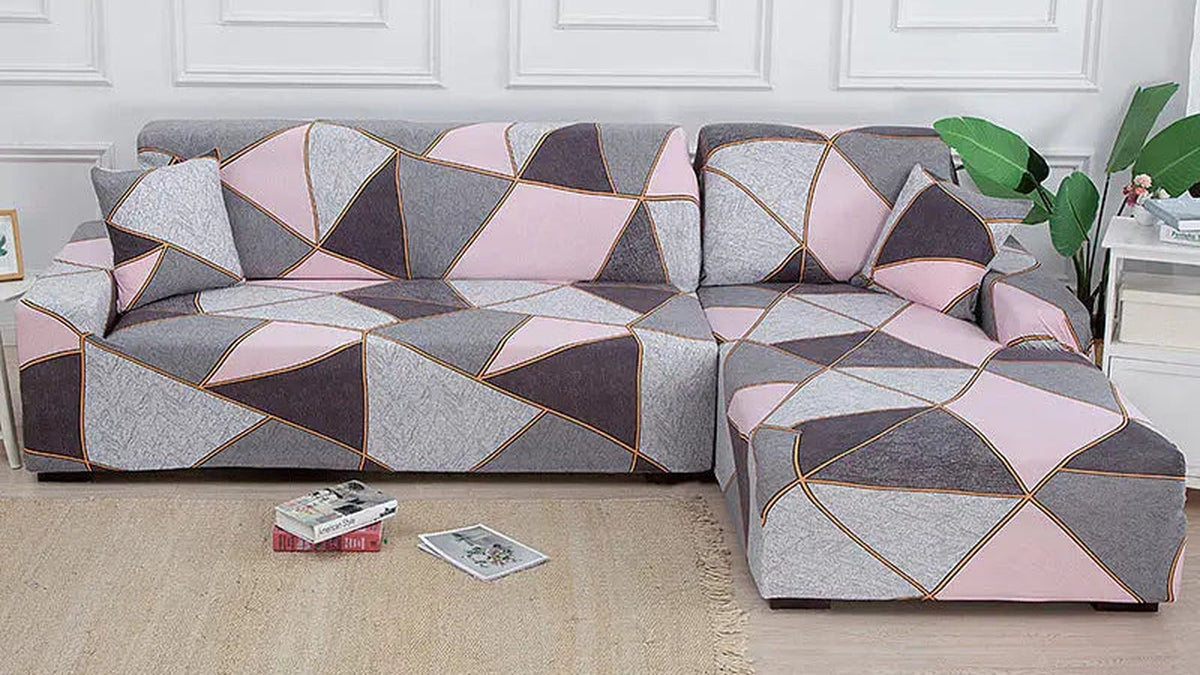
One spilled juice, a muddy paw print, or a scuffed corner can ruin a good day and a beautiful piece. If you have kids, pets, or guests coming and going, you know the stress of keeping furniture clean without covering it in something ugly.
That is where reusable moving blankets come in. They double as furniture protection covers that look polished, feel cozy, and stand up to real life. In this guide, you will learn how to choose options that are washable, built to last, and easy to style, including a stain resistant furniture cover and a durable sofa cover that fits your space and your routine.
Next, let’s look at what makes a moving blanket truly protective and worth reusing.
What Reusable Really Means (and Why It Matters at Home)
“Reusable” can sound like a marketing word, but in real life it has a very practical meaning: you can protect your furniture today, clean the cover, and use it again tomorrow without it falling apart, looking tired, or slipping out of place.
For busy households, reusable moving blankets are not just for moving trucks. The better ones function like everyday furniture protection covers that handle the small, constant threats: shoes on the cushion edge, pet hair, snack crumbs, and the occasional splash.
Reusable vs. disposable: what you are really choosing
Most people start with whatever is closest, like plastic wrap, a thin throw blanket, or an old sheet. Each has a role, but they do not protect the same way, and they do not feel the same in a lived-in home.
Here is a simple comparison you can use before your next move, renovation, or hosting weekend:
| Option | Best for | Where it fails at home | Reuse and care |
|---|---|---|---|
| Disposable plastic wrap | Short, quick dust barrier on moving day | Traps heat and moisture, crinkles, slides, tears easily, looks harsh | Single-use for most families, not washable |
| Thin throw blanket | Cozy look, light lounging | Shifts constantly, little padding, limited protection from scuffs | Washable, but often stretches and bunches |
| Reusable moving blankets and purpose-made covers | Everyday protection plus moving-day padding | Not fully waterproof unless specifically designed for it | Washable and designed to hold up over time |
If your goal is calm, consistent protection that still feels welcoming, a reusable solution is usually the sweet spot.
What makes a moving blanket actually protective (and worth reusing)
Not all “moving blankets” protect furniture equally. Look for features that solve common home problems, not just packing problems.
-
Thick quilting (padding you can feel)
This is what helps prevent scuffs, friction wear, and dings when furniture gets bumped or when kids climb over the armrest. -
Non-slip backing or grip texture
A cover that slides is a cover that fails. A subtle grip layer helps keep the blanket in place on leather, microfiber, and smooth upholstery, especially on seat cushions. -
Soft inner layer (the side that touches your sofa)
For premium or vintage pieces, softness matters. A gentler inner layer reduces rubbing that can dull finishes over time. -
Washable fabric with clear care guidance
“Reusable” should mean you can wash it without guessing. Follow manufacturer care labels and basic upholstery care norms: gentle cycles, mild detergent, and avoiding high heat are common best practices for longevity.
If you are shopping specifically for a stain resistant furniture cover or a durable sofa cover, these same features still apply, just with a stronger focus on easy cleanup and reinforced construction.
Quick before-and-after: a realistic home scenario
Picture moving day (or even just rearranging the living room). A sofa arm brushes a doorway or a stair rail.
- Without protection: a small scratch or scuff lands right on the corner, the most visible spot in the room.
- With a reusable moving blanket: the quilted layer absorbs the friction, and the sofa arm stays clean and intact. The blanket takes the hit, not your upholstery.
This same logic applies to daily life. The “high-contact zones” are where protection pays off fastest: arms, front seat edge, and favorite nap spots.
When to use reusable covers at home (more often than you think)
Reusable moving blankets and furniture protection covers shine in moments that repeat, not just big events:
- Moving day and delivery days: protect arms and corners from door frames, straps, and bumps.
- Renovation dust: cover seating during sanding, painting, or heavy foot traffic.
- Pet seasons: reduce hair buildup and protect from claw friction on arms and cushion edges.
- Toddler spills and snack time: catch drips, crumbs, and sticky fingers before they reach upholstery.
- Guest stays: keep your main seating fresh when the house is fuller than usual.
- Everyday living: preserve the “new sofa” look longer, especially in family rooms.
If your main goal is a neat, intentional look that still feels cozy, consider a fitted cover designed for daily use. You can browse options in the Sofa and Couch Covers collection for solutions that feel more like part of your decor than a temporary fix.
Set expectations: what they protect well vs. what needs true waterproofing
Reusable moving blankets are excellent for:
- Scuffs and surface abrasion
- Pet hair and everyday grime
- Light spills and quick splashes (when wiped promptly)
- Friction wear on arms and cushion edges
What they typically do not replace is true waterproof protection. If you are dealing with large liquid accidents (think a full cup tipping over or a potty-training mishap), you will want a cover specifically labeled as waterproof or with a tested waterproof barrier. “Water resistant” usually means it buys you time, not total protection.
Up next, we will get specific about what to look for in materials and construction, so you can choose protection that resists stains, discourages scratching, and holds up beautifully over the long run.

The Protection Checklist: Anti-Stain, Anti-Scratch, and Long-Life Materials
In the introduction, we talked about the real-life moments that put furniture at risk: juice spills, muddy paws, and everyday scuffs. Here is the simple checklist that helps you choose reusable moving blankets and furniture protection covers that actually hold up, look refined, and stay comfortable for the whole family.
Think of this as your mini buying guide. If a product description clearly answers these points, you are on the right track.
1) Anti-stain essentials (what to look for on the label)
A truly helpful stain resistant furniture cover is not just “dark colored.” It is built to resist soaking in and to clean up quickly.
Look for these anti-stain signals:
- Tight weave or tight knit: Fewer gaps means less liquid and grime can sink in fast.
- Performance fabric language: Phrases like easy-care, washable, quick-clean, or stain-resistant finish usually indicate the surface is designed to release messes more easily.
- Washability: If it cannot be washed (or at least spot-cleaned safely), stains become permanent stress.
- Clear care instructions: A trustworthy brand tells you what water temperature to use, whether to avoid bleach, and how to dry.
Quick reality check for busy homes: stain resistant does not mean stain proof. Most reputable home-care guides (like The Spruce) recommend blotting quickly, starting with mild soap and water, and avoiding aggressive rubbing that pushes stains deeper into upholstery fibers. That same principle applies to covers too: fast blotting and gentle cleaning preserve the finish and the look.
2) Anti-scratch needs for pets (especially cats and “digging” dogs)
If you have pets, scratches are often less about one dramatic moment and more about repeated friction in the same spots. For claw-prone homes, your furniture protection covers should reduce snagging and add a protective buffer.
Choose materials and construction that resist claw damage:
- Thicker fabric with structure: More substance helps absorb the wear that would otherwise hit your upholstery.
- Tighter knit, fewer loops: Fabrics with visible loops can catch claws. A smoother, tighter surface is often more forgiving.
- Low-snag design details: Minimal fringe, loose threads, or delicate texture in high-contact areas.
Strategy matters as much as fabric: cover the scratch zones.
Real-life use case: in many cat homes, the highest scratch and friction zones are:
- Sofa arms (launch pads and stretching posts)
- Front seat edge (where they jump up, perch, and knead)
If that sounds familiar, prioritize covers or add-ons that protect those areas first. You can also explore dedicated options built for claw-heavy households here: Anti-Scratch Couch Covers.

3) Durability signals (how to spot “built to last” before you buy)
A durable sofa cover should not look tired after a few washes or a few weeks of family movie nights. Durability is a mix of stitching, fabric stability, and how well it keeps its shape.
Checklist for long-life materials:
- Reinforced seams and clean stitching: Strong seams matter most at stress points like corners, arm edges, and cushion lines.
- Colorfast fabric: The color should stay true after washing, sunlight, and daily use (especially important for light neutrals that you want to keep looking elegant).
- Consistent elasticity over time (when stretch is used): If the fit relies on elastic, it should not loosen quickly. Look for descriptions that mention stable stretch, recovery, or secure edging.
- Balanced softness: You want a soft touch for family comfort, but not something so delicate it pills or snags easily.
Practical tip: If the product photos include close-ups, zoom in. You can often see the seam quality and fabric density before you ever click “add to cart.”
4) Fit matters more than people think (because gaps invite spills)
Even the best reusable moving blankets cannot protect well if they slide around. Loose fabric creates gaps where spills can travel, and shifting covers expose the exact upholstery you are trying to protect.
Aim for a fit that is snug where it counts:
- Arms (to stop shifting from leaning and pet traffic)
- Front seat edge (to protect the “landing strip”)
- Cushion tops and sides (where most spills and crumbs collect)
Quick measurement checklist (2 minutes, no stress)
Grab a measuring tape and note:
- Seat width: left to right across the seating area
- Seat depth: front edge to back cushion
- Seat height: floor to top of the seat cushion
- Arm width and arm height: especially if pets target the arms
- Individual cushion size (if cushions are removable): width, depth, and thickness
Write it down once, and you will shop with confidence instead of guessing.
Once you know what to look for in stain resistance, scratch protection, durability, and fit, the next step is making it look intentional. In the next section, we will turn protection into style with French-chic color and layering tips that still feel family-friendly.
Style Without Stress: How to Keep a French-Chic Look (Even With Kids and Pets)
Protection only feels worth it when it still looks like your home. The good news: reusable moving blankets and modern furniture protection covers can absolutely fit a French-chic space, as long as you style them with a few intentional choices.
Think of your cover like a tailored base layer. It does the hard work of guarding against paw prints, sticky fingers, and everyday friction, while your decor does the beautiful work on top.
1) Choose colors and textures that hide real life (without looking covered)
If your home is busy, the most elegant choice is often the most forgiving one.
- Go for mid-tones: warm greige, dove gray, taupe, camel, and soft slate tend to disguise crumbs and smudges better than bright white or deep black.
- Pick heathered or textured fabrics: a slightly mottled weave helps camouflage pet hair and tiny lint bits between cleanings.
- Use subtle patterns with restraint: small checks, tight herringbone, or a fine speckle reads classic but hides chaos. Big bold prints can feel louder and show uneven wear.
If you are shopping for a stain resistant furniture cover, look for descriptions like “easy-clean,” “washable,” and “performance fabric.” Those details matter as much as the color when life gets messy fast.
2) Layer like a designer: fitted base + soft accents
The easiest way to make protection look intentional is to layer in a way that feels styled, not accidental.
A simple formula that works in almost any room:
- Base layer: a fitted, tidy cover (your practical foundation and your “durable sofa cover” moment).
- Shape layer: 2 to 4 pillows that add structure and symmetry.
- Soft layer: a throw that signals comfort and helps protect the most used seat.
Want a quick upgrade without changing the main cover? Swap your pillow covers instead. You can keep your core furniture protection covers consistent while changing the mood for holidays, seasons, or just a Saturday reset. Browse options here: Decorative Pillow Covers.

3) Room-by-room ideas that look polished and liveable
These quick “zones” help you style protection so it feels like part of your decor, not a compromise.
-
Living room sofa (high-traffic, high-visibility):
Choose a mid-tone cover with a light texture, then add two larger pillows (for height) and one smaller accent pillow (for charm). Drape a throw over the seat your family uses most. It doubles as a washable buffer for movie nights. -
Reading corner (armchair that gets constant use):
Use a cover in a cozy texture so it looks like it belongs there. Add one lumbar pillow and a small throw in a contrasting tone. If pets love that chair, focus coverage on the arms and front edge where claws and friction happen most. -
Small spaces (loveseat or apartment sofa):
Keep it airy: one tone-on-tone cover, two pillows max, and a neatly folded throw. In tight rooms, too many colors can feel cluttered. One calm palette reads more “Paris apartment,” less “playroom.” -
Work areas and client seating (coworking, studio, waiting area):
Choose professional neutrals (charcoal, stone, navy) with minimal texture. This is where stain resistance pays off because coffee and denim dye are common. A clean-lined cover plus one structured pillow feels welcoming and tidy.
4) Refresh for seasons without replacing anything
French-chic style is never fussy, it is simply well edited. You do not need a new sofa, or even a new cover, to make the room feel updated.
- Spring and summer: lighter pillows (linen look, soft stripes), one breathable throw.
- Fall: warm neutrals, gentle checks, a slightly heavier knit throw.
- Winter: deeper tones, richer texture, and layered throws for that cozy, “stay awhile” feeling.
This is where reusable moving blankets shine: you can keep the protective base working week after week, then update the look with small swaps that take five minutes.
Mini mood boards (3 easy looks you can copy)
1) Neutral Linen Look (clean, bright, forgiving)
- Base: warm greige or oat-toned cover with a linen-like texture
- Pillows: ivory plus one subtle stripe
- Throw: light sand or soft gray
Best for: airy living rooms, vintage pieces you want to feel fresh
2) Cozy Winter Texture (soft, layered, family-proof)
- Base: medium taupe or slate with a visible weave
- Pillows: one boucle-style texture, one solid neutral
- Throw: chunky knit in cream or camel
Best for: movie-night sofas, pet-friendly homes, reading corners
3) Modern Minimal (sleek, calm, low visual noise)
- Base: charcoal, stone, or muted navy
- Pillows: two in the same color family, different textures
- Throw: simple, no fringe, folded neatly
Best for: small spaces, client seating, contemporary homes
Next, we will make sure all that style stays crisp with a simple routine you can do in about 10 minutes, even on the busiest weeks.
Fast Cleaning Routines: Keep Covers Looking New in 10 Minutes
Life happens fast. The good news is that reusable moving blankets and well-made furniture protection covers are designed for quick resets, not fussy maintenance. Think of this as your calm, weekly ritual: ten minutes now, and your living room stays fresh all week.
The 10-Minute Weekly Reset (No Deep Cleaning Required)
Minute 0 to 2: Shake and smooth
- Take the cover outside (or over a tub) and shake out crumbs, grit, and pet hair.
- Smooth it back into place so it sits snugly. A tidy drape helps a durable sofa cover stay put and reduces friction wear on edges.
Minute 2 to 5: Lint-roll the zones that tell on you
- Focus on the seat front edge, armrests, and cushion tops. Those are the high-contact areas where hair and fuzz collect.
- Keep a lint roller where you already are, like in a console drawer or near the TV remote. The easier it is, the more you will actually do it.
Minute 5 to 8: Quick vacuum with an upholstery brush
- Use a vacuum upholstery attachment on low to medium suction.
- Move with the fabric direction, especially on quilted or textured covers, so you lift debris without roughing up the fibers.
Minute 8 to 10: Spot-check like a pro
- Inspect “hot spots”: armrests, drink-side cushions, and any area where pets nap.
- If you find a mark, treat it immediately using the stain plan below. This is how a stain resistant furniture cover stays looking truly elegant, not just technically stain resistant.
The Spill Timer: What to Do at 0–2 Minutes, 2–10 Minutes, and After 10 Minutes
Spills are not all-or-nothing. Timing changes everything.
0 to 2 minutes: Save the day
- Blot, do not rub. Press a clean cloth or paper towel to absorb liquid.
- If it is a thicker spill (juice, sauce), lift solids gently with a spoon first, then blot.
2 to 10 minutes: Gentle clean, minimal moisture
- Mix a small amount of mild soap with cold water.
- Dab from the outside of the stain toward the center to avoid spreading.
- Blot with a clean damp cloth, then blot dry again.
After 10 minutes: Decide spot-clean vs. wash
- If the stain is still visible, smells, or feels sticky, it is usually time to wash the cover (if the care label allows).
- If it is faint and dry, a second gentle spot-clean is often enough.
For safe stain removal basics across common household messes, this guide is a helpful reference: Basic upholstery stain removal do’s and don’ts.
When to Wash vs. When to Spot Clean (Simple Rules)
Spot clean when:
- The spill is small and you caught it quickly.
- The area is limited (one cushion corner, one armrest).
- The fabric is holding up well and does not feel oily or grimy.
Wash when:
- There is odor, a sticky feel, or repeated pet contact in the same spot.
- The stain has set or the cover looks dull overall.
- Allergy season hits and you want a fresh reset.
This is where reusable moving blankets shine. They are made to be used, cleaned, and used again, so you are not constantly replacing flimsy layers.
Washing Tips That Keep Covers Beautiful Longer
To protect the fit and finish of your furniture protection covers:
- Use a gentle cycle and mild detergent.
- Start with cold water if you are unsure. Heat can set certain stains and can shorten lifespan on some fabrics.
- Avoid high heat drying. If you can, air dry or tumble dry low.
- Follow the care label every time. It is the quickest way to avoid shrinkage or warping.
- After washing, reshape while damp so seams and edges lay neatly when you put it back on.
A cover that keeps its shape is more than a style win. It is also better protection because gaps and shifting invite spills to sneak through.
Busy Household Hacks (Because Real Life Is Loud)
If you have kids, pets, or frequent guests, these small systems make a big difference:
- Keep a spare cover set. One on the sofa, one clean and ready. When life gets messy, swapping takes two minutes and you can wash later without stress.
-
Protect the messiest zones with smaller pieces. Armrests and seat cushions take the most abuse from snacks, paws, and little shoes. Adding targeted pieces can extend the life of your main cover and keep your setup looking polished.
Try washable add-ons like Armrest & Cushion Covers for high-touch areas. - Create a tiny cleaning caddy with a lint roller, a soft cloth, and mild soap. Store it near the living room so you can act fast.

With a routine like this, your stain resistant furniture cover keeps that clean, French-inspired calm even on chaotic days.
Next, let’s make it even easier by choosing the right option for your lifestyle and space, from pet-heavy homes to vintage pieces and professional settings.
Real-World Picks by Persona: What to Choose for Your Space
The best reusable moving blankets and furniture protection covers are the ones that match your daily life, not just your sofa size. Use the personas below to narrow your choice quickly, then you can fine-tune with the fit and cleaning tips from earlier.
Busy families and pet owners: calm, washable, and claw-smart
If your dog jumps on the sofa daily or your kids treat the cushions like a snack table, focus on protection you can reset fast.
What to prioritize:
- Anti-scratch structure: Look for tighter weaves or quilted builds that resist snagging on arms and front seat edges (the highest-friction zones).
- Washability and quick dry: A true “real life” setup is a stain resistant furniture cover you can toss in the wash without special treatment.
- Fast install: Elastic edges, straps, or grippy backing helps keep covers from sliding during movie nights.
- Color strategy: Choose darker or textured neutrals (charcoal, cocoa, heathered beige) that hide hair, crumbs, and small marks between washes.
Scenario check:
- If your dog launches onto the same corner every time, cover the whole sofa but add targeted pieces to high-contact areas. Arm protection is often the difference between “still looks new” and “worn in one season.”
Helpful pairing idea (not extra work, just smarter coverage):
- A fitted base cover plus add-on protection for arms and seat cushions can behave like reusable moving blankets in day-to-day use, but with a cleaner, stay-put look.
Home décor lovers: drape, palette, and effortless seasonal swaps
If you love the look of your room and want protection that feels intentional, treat your cover like a design layer, not a last-minute shield.
What to prioritize:
- Fit and drape: A cover that follows cushion lines looks tailored instead of bulky. This is where furniture protection covers outperform generic throws.
- Color palette flexibility: Build around a base neutral, then change the mood with pillows and throws as the seasons change.
- Texture that reads “decor,” not “utility”: Think subtle weaves, soft quilting, or linen-like finishes that feel French-chic and relaxed.
Scenario check:
- If you host friends often and want the living room to look styled in five minutes, choose a cover that holds its shape after sitting. You can refresh the space by swapping accessories instead of removing the whole cover.
Premium and vintage furniture owners: gentle contact and breathable stability
If you own a velvet heirloom, a designer sofa, or anything with a delicate finish, protection needs to be soft, stable, and kind to the upholstery underneath.
What to prioritize:
- Soft inner contact: The surface touching the furniture should feel smooth, not abrasive. This helps protect finishes from micro-scuffs caused by friction.
- Stable fit: Shifting fabric can rub like sandpaper over time. Choose a design that stays in place with minimal readjusting.
- Breathable fabrics: Avoid trapping moisture against vintage materials, especially in humid climates or homes where spills happen.
Scenario check:
- If you are protecting a vintage piece in a sunny room, prioritize breathable coverage and consistent fit. You want protection from friction and everyday dust without creating a “sealed” environment.
Tip for peace of mind:
- If you are unsure how your fabric will react, test on a small, hidden area first and avoid high heat when washing. This keeps fibers and finishes happier long-term.
Small businesses and coworking spaces: professional, heavy-use ready, easy to swap
If clients sit on your seating all week, your cover is part of your brand. You need durability, easy cleaning, and a polished look.
What to prioritize:
- Heavy-use durability: A durable sofa cover should have reinforced seams, resilient fabric, and colorfast dye that holds up to frequent cleaning.
- Simple cleaning protocol: Choose something that can handle regular washing or quick spot cleaning between appointments.
- Professional colors: Deep neutrals and mid-tones (graphite, taupe, navy) look crisp and hide daily wear.
- Keep spares: One spare set lets you swap quickly after a spill without disrupting the day.
Scenario check:
- If you host clients all week, plan for a “reset window” between bookings: swap cover, lint roll, quick spot clean, done.
For larger layouts:
- If you are working with sectionals or L-shaped seating, start with a cover designed for that footprint so it stays neat across corners and chaise areas. See: Sectional & L-Shaped Sofa Covers.

A simple decision tree you can screenshot (graphic suggestion)
Consider adding a one-page decision tree graphic like this:
- Kids or pets daily? Yes → prioritize washability + anti-scratch + darker textures
- Decor-first home? Yes → prioritize drape + palette + tailored fit
- Vintage or premium upholstery? Yes → prioritize soft inner contact + breathable fabric + stable fit
- Client-facing seating? Yes → prioritize heavy-use durability + professional tones + spare set
Once you know your persona match, the final step is making sure the cover actually stays put on your specific sofa shape. Next, we will connect these choices back to fit, sizing, and the easiest way to cover tricky layouts so your protection looks smooth, not sloppy.

So, you see, reusable moving blankets are far more than a moving-day secret. They are your daily defense against scuffs, spills, and pet hair, offering a practical and elegant layer of protection that can be washed and styled for real life. By choosing the right materials—like thick quilting, non-slip backing, and stain-resistant weaves—you invest in a durable sofa cover that preserves your furniture's beauty without sacrificing comfort or style.
Protect your furniture this week—before the next spill or scratch. Explore FrenchCovers options and choose a washable, durable cover that fits your life today. Because a home that welcomes life's beautiful messes is a home that stays truly beautiful.
FAQ: Protect Your Furniture in Style
Busy homes, beloved pets, and beautiful furniture can absolutely coexist. Below are quick, practical answers pulled from the article’s key points on layered protection, stain resistant materials, secure fit, and washable durability, so you can choose reusable moving blankets and furniture protection covers that look polished and work hard every day.
Q: Are reusable moving blankets the same as a sofa slipcover? A: Not quite. The article explains that reusable moving blankets are built for heavy duty shielding during moves and daily wear, while slipcovers focus on a tailored look and room ready finish. For best results, use reusable moving blankets as a protective base layer and add a fitted furniture protection cover on top. See: Moving Blanket vs Cover Basics
Q: How do I choose a stain-resistant cover that still looks stylish? A: Follow the article’s “function meets décor” approach: pick a stain resistant furniture cover with a refined texture and a color that complements your palette, then prioritize washable performance for real life spills. Look for clean lines and a secure fit so it reads intentional, not temporary. See: Style and Stain Resistance
Q: What type of cover works best for pets that scratch the sofa arms? A: The article recommends reinforcing high wear zones, so choose a durable sofa cover plus extra protection on the arms, where pets tend to dig in. Layering furniture protection covers with reusable moving blankets or arm panels helps absorb claw contact and reduces visible wear. See: Pet Proof High Wear Areas
Q: How often should I wash a couch cover in a busy home? A: The article’s guidance is to wash on a routine that matches your household: more often for kids, pets, and frequent guests, and spot clean in between to keep it looking fresh. A stain resistant furniture cover makes this easier because messes lift faster and the fabric holds up wash after wash. See: Wash and Care Routine
Q: Will a fitted cover damage vintage or delicate upholstery? A: It should not, if you follow the article’s advice to avoid abrasive backings and overly tight tension that can stress seams or crush delicate textiles. For premium pieces, use a soft inner layer like reusable moving blankets, then a properly sized furniture protection cover that sits smoothly without pulling. See: Vintage and Delicate Upholstery Care