Your sofa is one of the most used pieces of furniture in your home, which also makes it one of the easiest to damage. From pet claws and rough denim to keys, toys, and everyday friction, small sources of wear can quickly add up. What starts as a minor scuff can turn into visible scratches, fabric snags, or surface marks that make the entire room feel less polished.
The good news is that sofa scratch protection does not need to feel bulky, complicated, or unattractive. With the right approach, you can protect your sofa from scratches, preserve its appearance, and still keep your living room warm, elegant, and easy to enjoy every day.
In this guide, we will look at why sofas get scratched so easily, how to prevent damage before it becomes noticeable, and which type of protection makes the most sense for different homes. If you are already looking for a practical solution, you can also explore our Sofa covers for pets collection for everyday furniture protection designed to fit real life.
Why sofas get scratched so easily
Most people assume sofa scratches come from one obvious event. In reality, the damage is usually more gradual. A scratched sofa often results from repeated daily friction, constant movement, and small habits that do not seem harmful at first.

That is why the problem can feel so frustrating. By the time the damage becomes visible, the wear has often been building for weeks or months.
Daily wear creates more damage than people expect
Even in a calm household, your sofa sees constant use. Clothing details such as belts, buttons, bag straps, and zippers can rub against the upholstery every day. People also tend to place objects on the sofa without thinking twice, including:
- keys
- handbags
- toys
- remote controls
- metal accessories
Over time, this repeated contact can create fine scratches, scuffs, and surface wear, especially on the armrests, front seat edge, and corners.
Small marks rarely stay small forever. Once the surface starts to weaken, the sofa can begin to look older much faster than expected.
Pets are one of the biggest causes of sofa scratches
If you share your home with pets, your sofa is naturally exposed to more friction. Cats often target arms, sides, and corners because these areas offer a satisfying texture for scratching. Dogs can also leave visible marks behind, even without destructive behavior, simply by jumping on and off the cushions or shifting their paws before settling down.
Pet-related sofa damage usually comes from routine contact, not necessarily from “bad behavior.” That is why protection matters so much in pet-friendly homes.
- Cats may claw corners, sides, or armrests
- Dogs may scratch the seat surface when climbing up or turning around
- Both can increase daily friction through repeated contact
If pets are part of your daily life, our Pet Furniture Protection collection can help you protect your seating more effectively while keeping your home inviting.
Some sofa materials show scratches faster than others
Not all sofas react to wear in the same way. Certain materials are simply more likely to reveal scratches or scuffs.
- Leather can mark quickly and show visible lines from light friction
- Faux leather may scuff or wear unevenly over time
- Woven fabrics can snag when exposed to claws or rough edges
- Smooth or dark finishes often make scratches easier to notice
According to general pet behavior guidance from the ASPCA, scratching is a normal instinctive behavior for cats, which is one reason preventive furniture protection is often more effective than trying to stop the behavior completely.
Once you understand why your sofa gets scratched, it becomes much easier to choose the right way to protect it.
How to protect your sofa from scratches effectively
If you want to keep your sofa looking beautiful for longer, the best strategy is simple: protect it before visible damage becomes part of everyday life. Once fabric is snagged or leather is marked, full restoration is rarely easy. Prevention is usually more practical, more affordable, and far less frustrating than repair.

Use a sofa cover to create a protective layer
One of the easiest ways to protect a sofa from scratches is to add a sofa cover that creates a barrier between the upholstery and daily contact. This extra layer helps reduce direct friction from:
- pet claws
- rough clothing details
- bags and accessories
- sharp everyday objects
- constant movement on the same seating areas
Instead of letting the original sofa fabric absorb all the wear, the cover takes on much of that pressure. This is especially useful in homes with children, pets, guests, or simply a lot of daily living.
If you want full-surface everyday protection, browse our Anti-Scratch Couch Covers for styles designed to help reduce visible wear while maintaining a polished look.
Why fitted sofa covers work better than loose blankets
Loose throws and blankets can offer light protection, but they often shift out of place, slide off the corners, and leave the most exposed zones uncovered. In real life, that usually means inconsistent protection and constant readjustment.

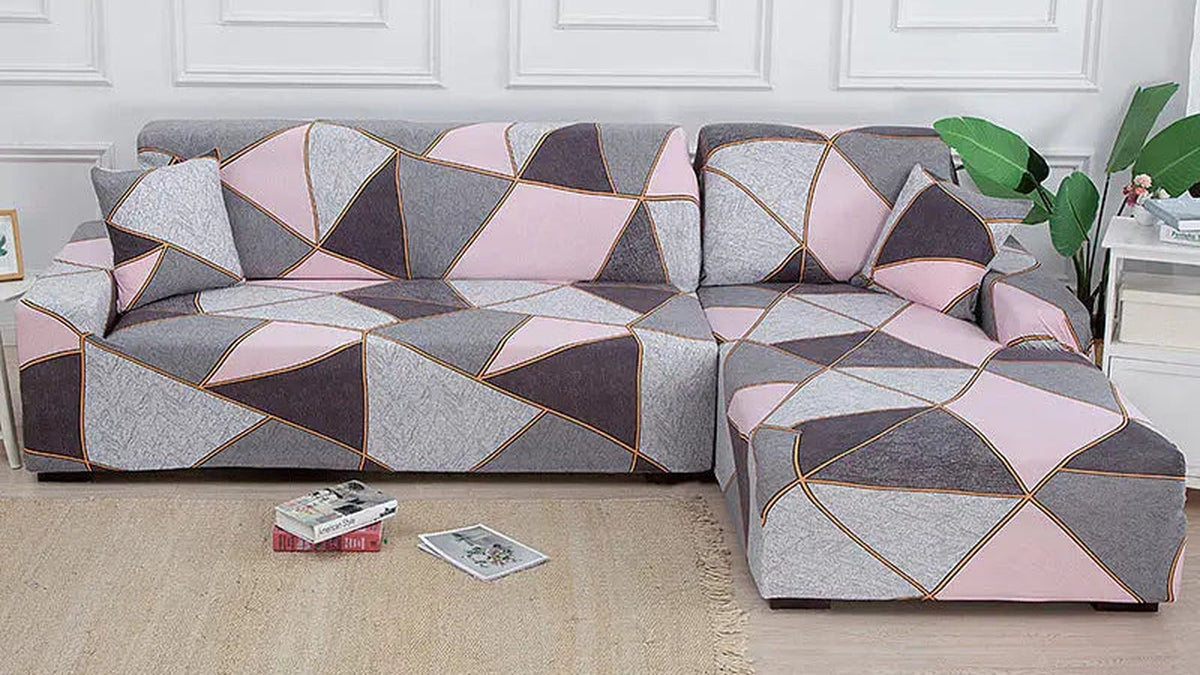
A fitted sofa cover usually works better because it follows the shape of the sofa more closely and helps protect the areas where scratches happen most often. It also creates a cleaner, more intentional look.
In short, a fitted cover is often better because it:
- stays in place more reliably
- covers key contact zones more effectively
- looks neater in the room
- feels easier to live with every day
Protection should not feel like a temporary compromise. It should feel like part of a smarter home.
Look for comfort, coverage, and easy maintenance
The best sofa protection balances function, comfort, and appearance. A good cover should be pleasant enough for daily use, practical enough for real homes, and visually aligned with your living room.
When comparing options, focus on:
- coverage for seats, arms, and back areas
- fit that reduces slipping and bunching
- easy care for frequent use
- texture that still feels inviting
- style that complements your home
If your household is especially active, easy-to-maintain protection matters even more. A helpful general reminder from Good Housekeeping is that consistent home textile care plays a major role in preserving appearance over time.
What is the best sofa protection for your situation?
There is no one-size-fits-all solution. The best way to protect a sofa from scratches depends on what is causing the damage, how often the sofa is used, and which parts are most exposed.
A quiet formal living room does not need the same level of protection as a busy family room with pets and children. That is why the best solution is usually the one that matches your actual routine.
Best ways to protect a sofa from cat scratches
Cats are often drawn to sofa corners, sides, and arms because they are easy to grip and naturally satisfying to scratch. If this is happening in your home, it helps to protect those vulnerable areas before the damage becomes more visible.
A well-fitted sofa cover can help reduce direct claw contact across the main surface, but it also helps to redirect behavior rather than relying on correction alone.
A few practical steps include:
- protecting the sofa surface early
- placing a scratching post near the sofa
- reducing access to favorite scratching corners when possible
- choosing a cover that supports frequent daily use
This combination often works better than trying to solve the issue after the sofa is already marked.
Best ways to protect a sofa from dog scratches
Dogs usually create scratches differently. The issue is often not active scratching, but repeated movement such as jumping up, pushing off with the paws, circling before lying down, or shifting weight across the cushions.
That makes secure, washable, everyday-friendly protection especially useful.
- Choose a cover that stays in place
- Protect the front edge of the cushions
- Prioritize easy maintenance
- Look for comfort as well as durability
For pet-heavy homes, practical protection tends to work best when it feels natural enough to leave on every day.
Best ways to protect a family sofa from damage
In family homes, scratches are rarely the only issue. The sofa is also exposed to snacks, bag straps, toys, spills, and constant movement. That is why a broader protective approach usually makes more sense than trying to address one small problem at a time.
Family-friendly sofa protection should ideally be:
- easy to maintain
- comfortable for daily sitting
- stable enough for frequent use
- visually soft enough to suit the room
A practical protective layer helps the sofa hold its appearance longer, even in a home that feels fully lived in.
Best ways to protect a leather sofa from scratches
Leather sofas often need extra care because even light contact can leave visible surface lines. Pet claws, metal details, and repeated friction can all affect the finish more quickly than many people expect.

Leather is elegant, but it is not invisible to wear.
That is why prevention matters so much. A sofa cover helps reduce direct contact with the original surface while preserving the refined look that makes leather seating so appealing in the first place.
If you need a solution for a specific shape, you may also want to explore:
How to choose the right sofa cover
Choosing the right sofa cover is not only about color or trend. It starts with understanding your sofa type, your daily routine, and the kind of protection you realistically need.
A cover that looks good but slips constantly or leaves key areas exposed is unlikely to feel like a good long-term solution.
Start with your sofa type
The first step is always to identify the exact type of sofa you want to protect. Different shapes require different cover styles, and the right match improves both appearance and performance.
- standard sofa
- sectional sofa
- loveseat
- recliner
- chaise lounge
Starting with the right category makes everything else easier. If your sofa includes multiple sections or a more specific silhouette, it is usually better to choose a cover designed for that structure rather than forcing a generic one to fit.

Measure for the right fit
Good protection starts with good measurements. Before choosing a cover, check the sofa’s:
- width
- seat depth
- back height
- arm shape
- cushion configuration
A better fit often means less slipping, better coverage, and a cleaner overall look. It can also make the sofa feel more thoughtfully styled rather than simply covered.
If helpful, you can support this article with an internal measuring guide for easier navigation and stronger topical relevance.
Think about your lifestyle before choosing a fabric
A formal sitting room and a high-traffic family room do not need the same kind of cover. Before choosing a material, ask yourself:
- Is the sofa used every day?
- Do pets climb on it often?
- Do you need something easy to remove and clean?
- Is comfort just as important as appearance?
These questions matter because the best cover is not the one that looks perfect for one day. It is the one that still works beautifully in everyday life.
Choose a look that still feels elegant at home
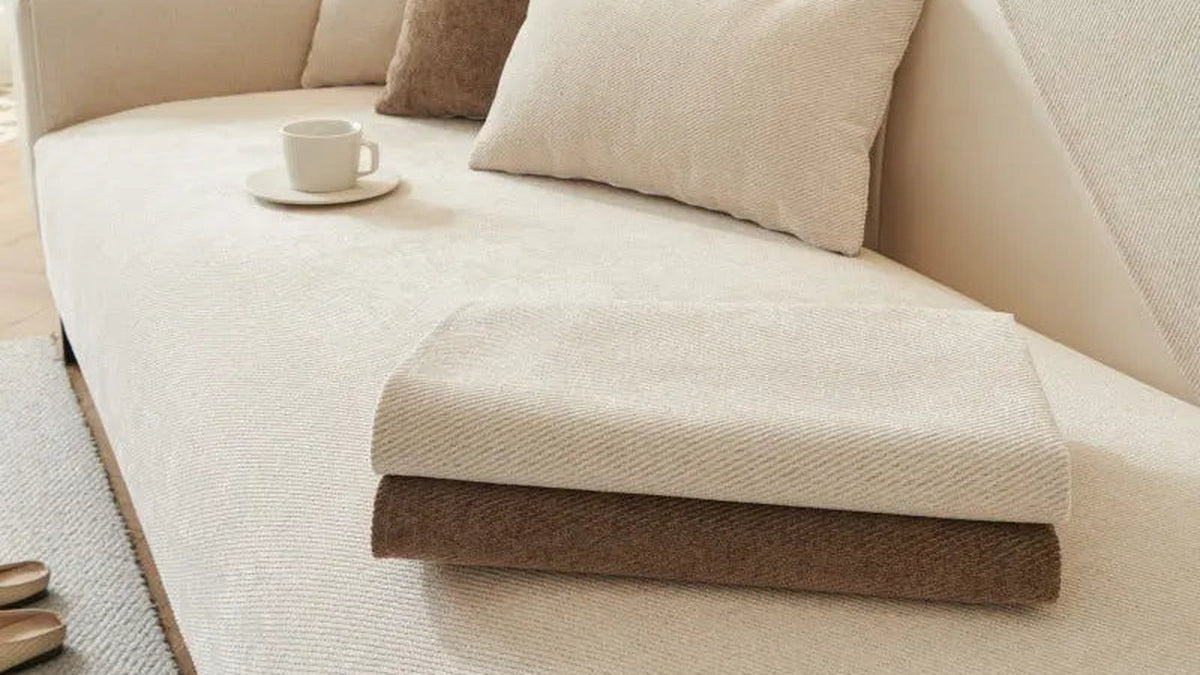
Protection should not make your living room feel heavy or improvised. The right sofa cover should still feel aligned with your space. Soft neutrals, subtle textures, and balanced tones usually work well because they add protection without overpowering the room.
Style and practicality do not need to compete. The best results usually come from choosing both.
Simple habits that help prevent sofa scratches
Even the best sofa cover works better when it is supported by smart daily habits. Since scratch damage often comes from repeated small actions, a few simple changes can go a long way.
Trim pet nails regularly
One of the easiest ways to reduce visible scratch damage is to keep your pet’s nails neatly trimmed. Cats and dogs do not need to behave badly to leave marks behind. Everyday movement alone can create friction on the sofa surface.
Shorter nails usually mean:
- less aggressive contact with upholstery
- fewer accidental marks
- less visible surface wear over time
Keep a scratching alternative nearby for cats
If a cat is already drawn to the sofa, moving a scratching surface far away may not help much. In many homes, it works better to place a scratcher close to the area the cat already prefers. This makes the alternative more attractive and can help redirect repeated clawing.

Avoid putting sharp objects on the sofa
Many scratches come from ordinary household objects rather than pets alone. Try to avoid placing the following items directly on the cushions:
- keys
- bags with metal hardware
- children’s toys
- hair accessories
- decorative objects with rough edges
This is a small habit, but it can make a surprisingly visible difference over time.
Protect the most-used areas first
Some zones naturally wear faster than others. These usually include:
- armrests
- front seat edges
- corners
- favorite sitting spots
If you are prioritizing your protection strategy, start there. The areas with the most contact are usually the first to show age.
Clean the sofa and cover gently but consistently
Dust and debris can increase abrasion over time, especially on frequently used surfaces. Gentle, regular cleaning helps maintain both the sofa and its cover while keeping the room looking fresher overall.
Consistent care does not need to be complicated. It just needs to be part of the routine.
What to avoid if you want to keep your sofa looking new
Protecting a sofa is not only about what to do. It is also about what to avoid. A few common mistakes can make visible wear appear much faster than expected.
Waiting until scratches are already visible
Once the sofa already looks scratched, some of the damage has already settled into the surface. Fabric may be snagged, leather may be marked, and the finish may no longer look as clean as before. Early protection is usually more effective than late repair.
Using protection that constantly slips out of place
If a cover slides off every day, bunches up in the center, or leaves the armrests exposed, it is not doing enough. Protection has to stay in place to be useful. If it feels frustrating to maintain, it is also less likely to be used consistently.
Choosing looks alone without thinking about use
Something can look beautiful in theory and still be the wrong fit for real life. In homes with pets, children, or heavy everyday use, protection has to work beyond aesthetics alone.
A better way to choose is to look for:
- practical fit
- easy maintenance
- comfortable texture
- visual harmony with the room
Ignoring high-contact zones
Not every part of a sofa wears at the same speed. If the corners, armrests, and front edge are left exposed, the sofa may still start to look worn even if the rest of the surface is covered. Paying attention to wear patterns leads to more effective protection.
Are sofa covers worth it for scratch protection?
For many homes, the answer is yes. A sofa cover is often one of the simplest and most practical ways to reduce visible wear before it becomes difficult to ignore.
Instead of waiting for the upholstery to show scratches, snags, and surface fatigue, a cover helps absorb some of that daily friction first.
When a sofa cover makes the most sense
Sofa covers are especially useful when:
- the sofa is new
- the room gets a lot of daily use
- pets share the seating
- children use the sofa often
- the upholstery is delicate or expensive-looking
They are also valuable if you simply want to preserve the look of your furniture without making the room feel overprotected.
Why prevention is usually easier than repair
Repairing visible damage is rarely as easy as people hope. Snagged fabric, leather scratches, and repeated surface wear can be difficult to reverse completely. A protective cover offers a more practical path: reduce the damage before it happens.
That is what makes sofa covers so worthwhile for many households. They support both appearance and everyday comfort in a simple, realistic way.
How to protect your sofa without sacrificing style
Many people hesitate to protect their sofa because they worry it will make the room feel less refined. That concern is understandable, but modern protection does not have to look bulky or temporary.
When the fit, texture, and color are chosen carefully, a sofa cover can feel intentional, polished, and fully integrated into the living room.
Protection can still look polished
A well-chosen cover follows the shape of the sofa more naturally and helps preserve a calm, balanced visual effect in the room. Clean lines, understated colors, and soft textures often create the most elegant result.
A protected sofa can still feel warm and inviting
A sofa should still feel like a place to relax. Protection should support daily comfort, not take it away. The best options maintain the warm, welcoming feeling that makes a living room enjoyable in the first place.
The best option is the one you will actually use every day
This point matters more than it seems. The best protection is not the most complicated one. It is the one that is easy to keep on the sofa, easy to care for, and easy to enjoy as part of daily life.
Beautiful homes are not only styled well. They are also lived in well.
Find the right sofa protection for your sofa type
The most effective sofa protection starts with choosing the right collection for your furniture. When the fit matches the sofa type, the result usually looks better, stays in place more easily, and protects the key contact zones more effectively.
- Sofa & Couch Covers for standard everyday seating
- Sectional Sofa Covers for L-shaped and multi-part layouts
- Loveseat Covers for compact two-seat sofas
- Recliner Covers for lounge-style and reclining seating
- Pet Furniture Protection for homes with cats and dogs
Choosing by sofa type makes the process simpler and helps you move toward a more reliable, more refined result.
Final thoughts
A sofa can begin to show wear much faster than most people expect, especially in homes with pets, children, or heavy everyday use. Scratches do not always come from one major event. More often, they come from small repeated contact over time.
That is why the best approach is usually preventive. A combination of smart daily habits, better awareness of high-contact zones, and a well-chosen sofa cover can help preserve both the comfort and appearance of your furniture.
Protecting your sofa does not mean compromising on style. With the right fit, the right texture, and the right level of coverage, it is absolutely possible to keep your living room elegant, welcoming, and ready for real everyday life.
If you are ready to protect your seating more beautifully, explore our Sofa & Couch Covers and find a solution designed to fit your sofa and your home.